Code-Graph-RAG
MIT-licensed codebase knowledge graph and MCP server for structural search, natural-language exploration, data-flow tracing, and agent-assisted edits across mixed-language repositories.
Do not bounce yet
Read the fit check, compare one alternative, then decide whether the vendor page is still your best next click.
Quick Verdict
Fast fit check before you leave the page
Make the fit call first. Vendor pages are good at selling, but they rarely tell you where the product is a bad match.
- Developers using Claude Code or another MCP-compatible coding agent on medium and large repositories
- Teams maintaining mixed Python, JavaScript, TypeScript, Go, Rust, Java, C-family, PHP, Lua, or Dart monorepos
- Platform and tooling engineers comparing code graphs, semantic retrieval, repository packers, and agent context servers
- Local operation is heavier than a repository packer or text search because it requires Docker, Memgraph, Qdrant, build dependencies, and model-provider configuration.
- Graph completeness varies by language and feature tier; Scala remains in development and Ruby has structural rather than full support.
- Versions through 0.0.588 have a high-severity symlink-following flaw that can let structural search or replace escape the project root; upgrade to 0.0.589 or newer before analyzing untrusted repositories.
Compare Next
Take one more internal step before the vendor pitch
This is where visitors usually jump out too early. Read one deeper take or open one alternative so the next click is informed instead of impulsive.
Alternative profile
Code Review Graph
MIT-licensed local code-intelligence graph that gives Claude Code, Codex, Cursor, Copilot, and other MCP clients targeted review context.
Alternative profile
Claude Context
MIT-licensed semantic code search MCP and VS Code extension that gives Claude Code, Codex, Gemini CLI, and other coding agents repo-scale context.
Alternative profile
GitNexus
Browser-based code intelligence engine that turns repositories into an interactive knowledge graph with Graph RAG assistance.
Code-Graph-RAG is worth considering when a coding agent needs more than another chunk of semantically similar text. It turns symbols, calls, imports, inheritance, files, and data flow into a queryable knowledge graph, then exposes that structure through a CLI, Python SDK, and MCP server. The result is a more explicit context layer for architecture questions, review, search, and agent-assisted edits across mixed-language repositories.
Code-Graph-RAG parses a mixed-language repository with Tree-sitter and ast-grep, stores symbols and relationships in Memgraph, adds Qdrant-backed semantic retrieval, and exposes the result through a CLI, Python SDK, and MCP server. Coding agents can use that graph to answer architecture questions, retrieve source, trace data flow, detect dead code, perform structural search and replace, and preview AST-based edits instead of relying only on text search. The trade-off is operational weight: local use requires Docker-backed graph and vector services plus a configured model provider, and graph-derived answers or edits still need compiler, test, runtime, and human verification.
Why Choose Code-Graph-RAG?
Choose Code-Graph-RAG when a large or mixed-language repository needs persistent structural context that text search and embeddings alone do not capture.
Its strongest fit is agent work involving architecture, dependencies, data flow, dead-code investigation, structural rewrites, or repeated codebase exploration.
The MCP server, CLI, Python SDK, and unified graph make one index reusable across human queries and compatible coding-agent workflows.
Do not choose it for a tiny repository or zero-ops workflow: Docker, Memgraph, Qdrant, model configuration, and parser limitations create real setup and verification costs. Upgrade to 0.0.589 or newer before analyzing untrusted repositories because older versions have a high-severity symlink escape.
Key Features
Parses mixed-language monorepos into one Memgraph knowledge graph using Tree-sitter plus a pluggable ast-grep tier.
Supports natural-language codebase questions, Cypher generation, source retrieval, semantic search, and graph export through CLI and Python SDK surfaces.
Exposes an MCP server so Claude Code and other compatible coding agents can query symbols, relationships, architecture, and source context.
Provides AST-based code edits with diff previews, structural search and replace, dead-code detection, and repository optimization workflows.
Traces FLOWS_TO data-flow edges across ten languages while documenting full, structural-only, and in-development language tiers separately.
Packages Memgraph and Qdrant lifecycle commands plus signed release binaries for macOS, Linux, and Windows.
Pros & Cons
- A persistent structural graph can answer dependency and architecture questions that plain text or embedding search handles poorly.
- Mixed-language support and one unified schema make it relevant to real monorepos rather than single-language demos.
- MIT licensing, frequent tagged releases, extensive docs, active issue traffic, and release signatures make the implementation unusually inspectable.
- MCP, CLI, SDK, semantic search, and structural rewrite surfaces let teams reuse one index across exploration, review, and editing workflows.
- Local operation is heavier than a repository packer or text search because it requires Docker, Memgraph, Qdrant, build dependencies, and model-provider configuration.
- Graph completeness varies by language and feature tier; Scala remains in development and Ruby has structural rather than full support.
- Versions through 0.0.588 have a high-severity symlink-following flaw that can let structural search or replace escape the project root; upgrade to 0.0.589 or newer before analyzing untrusted repositories.
- Natural-language Cypher, dead-code findings, optimization advice, and AST edits are model- and parser-derived evidence, not compiler or runtime truth.
- Independent adoption evidence is modest relative to GitHub traction, and the latest binary release had only single-digit asset downloads during the audit.
Detailed Use Cases for Code-Graph-RAG
Build one graph across supported languages so an agent can follow symbols, calls, imports, inheritance, and files without treating every language as an isolated text corpus.
Use graph relationships and FLOWS_TO edges as review evidence before changing shared functions, APIs, or security-sensitive paths.
Match and rewrite AST patterns across a repository when regular expressions would be brittle or semantically unsafe.
Expose the indexed graph to Claude Code and other MCP-compatible clients while keeping compiler checks, tests, and human approval around generated edits.
Who Should Use Code-Graph-RAG?
Developers using Claude Code or another MCP-compatible coding agent on medium and large repositories
Teams maintaining mixed Python, JavaScript, TypeScript, Go, Rust, Java, C-family, PHP, Lua, or Dart monorepos
Platform and tooling engineers comparing code graphs, semantic retrieval, repository packers, and agent context servers
Reviewers and maintainers who need dependency, data-flow, structural search, and dead-code evidence before changing shared code
Perfect For
Give an MCP-compatible coding agent structural context for a large mixed-language repository.
Trace callers, imports, inheritance, data flow, and cross-file relationships before reviewing or editing shared code.
Search and rewrite syntax structures across a monorepo with an AST pattern instead of a fragile regular expression.
Build a reusable local codebase index for architecture questions, dead-code investigation, semantic retrieval, and onboarding.
Technical Details
Direct Competitors
Code Review Graph
Serena
GitNexus
CodeGraph
Claude Context
Repomix
Similar Tools You Might Like
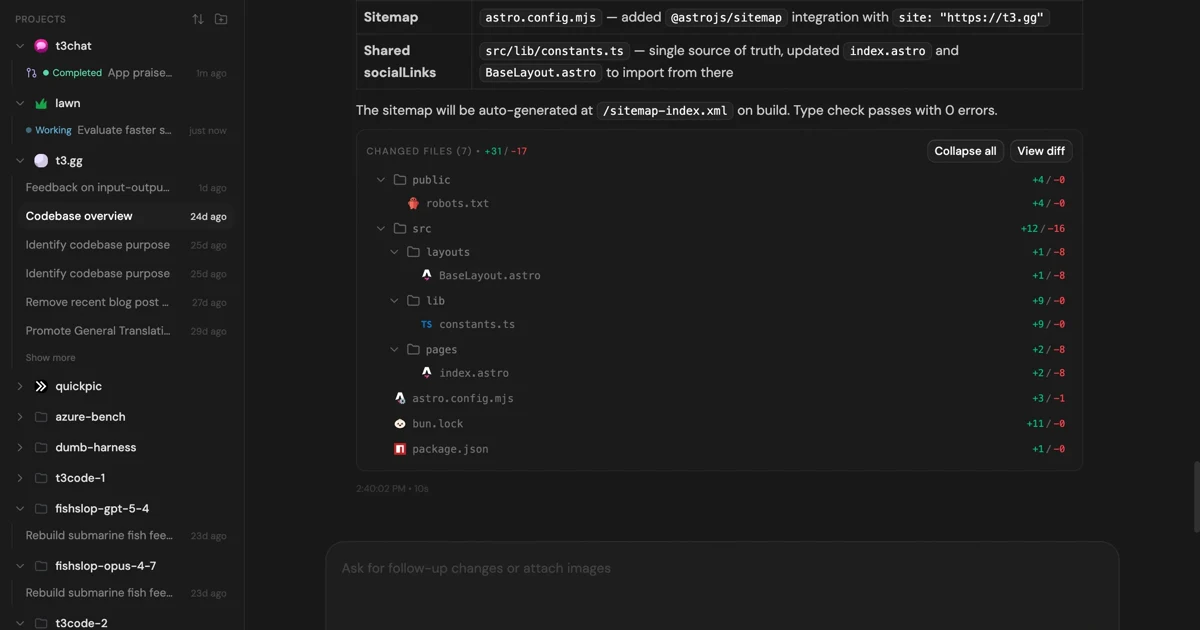
MIT-licensed control plane for running Claude Code, Codex, Cursor, Grok, and OpenCode threads from desktop, web, iOS, and Android clients.
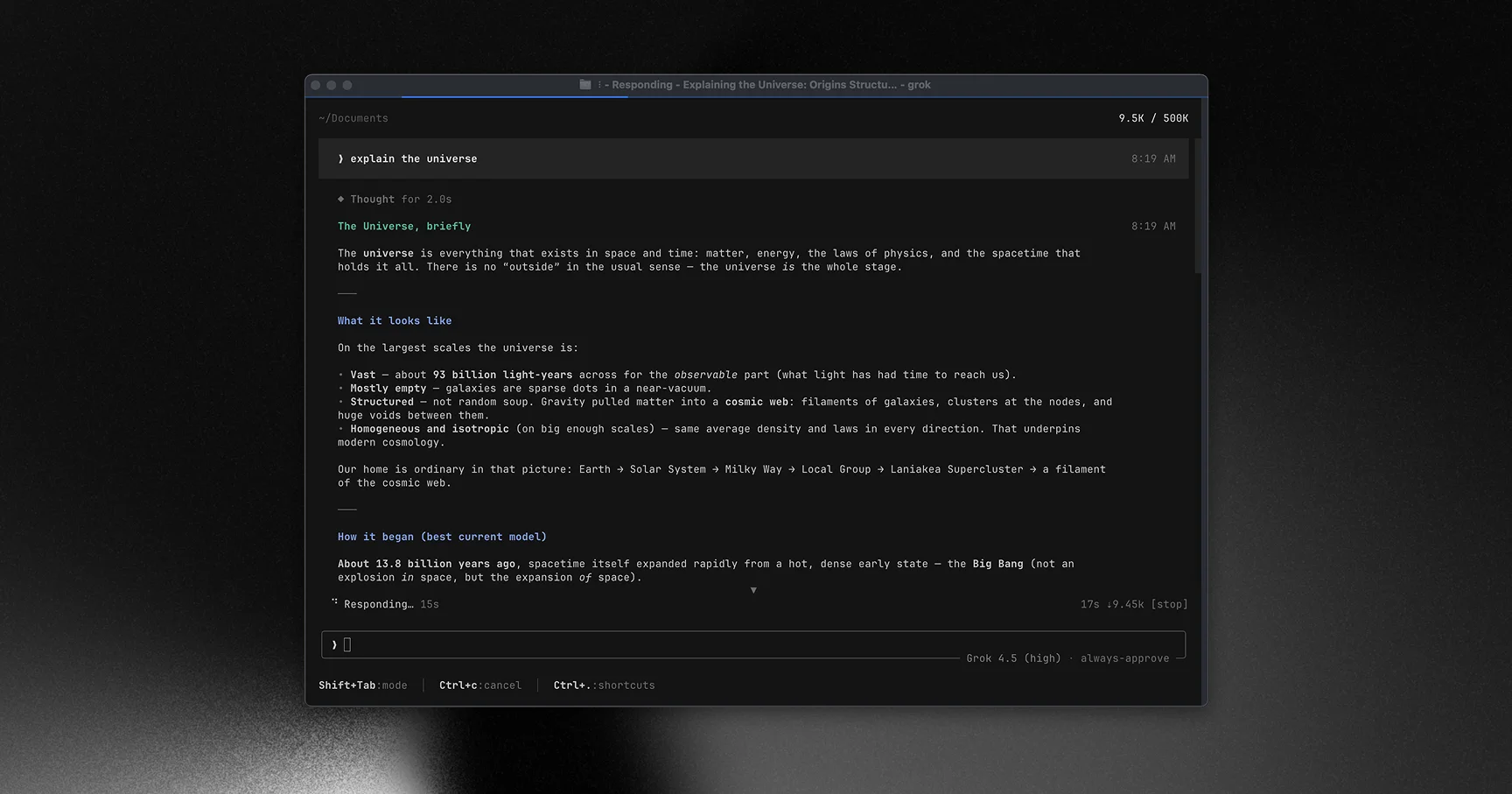
SpaceXAI's Apache-2.0 terminal coding agent with a full-screen TUI, headless automation, ACP integration, and extensible agent workflows.
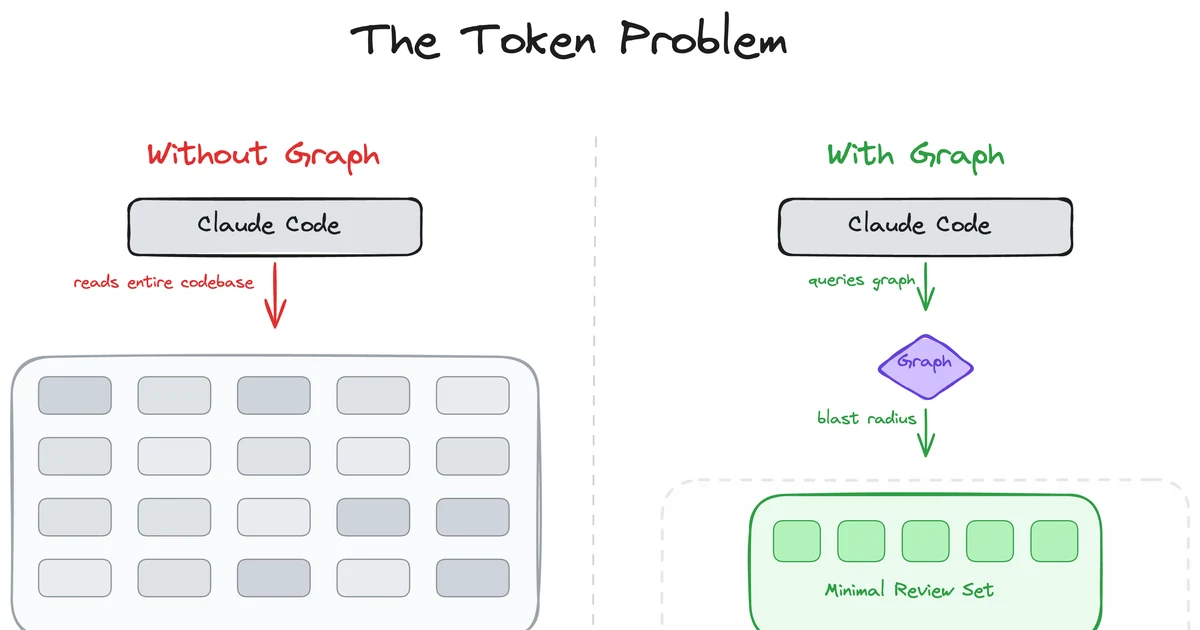
MIT-licensed local code-intelligence graph that gives Claude Code, Codex, Cursor, Copilot, and other MCP clients targeted review context.
Alternative Tools to Consider
MIT-licensed local code-intelligence graph that gives Claude Code, Codex, Cursor, Copilot, and other MCP clients targeted review context.
MIT-licensed semantic code search MCP and VS Code extension that gives Claude Code, Codex, Gemini CLI, and other coding agents repo-scale context.

Browser-based code intelligence engine that turns repositories into an interactive knowledge graph with Graph RAG assistance.

Open-source CLI and MCP tool that packs whole repositories into AI-friendly formats so coding agents can reason over real codebases with less setup friction.

Open-source semantic retrieval and editing layer that upgrades Claude Code, Codex, Cursor, and other coding agents with IDE-like code intelligence.
Do one more comparison before you commit to Code-Graph-RAG
Strong picks usually survive one more internal check. Read deeper, compare a neighbor, then leave for the vendor page if the fit still holds.