
Serena
Open-source semantic retrieval and editing layer that upgrades Claude Code, Codex, Cursor, and other coding agents with IDE-like code intelligence.
Do not bounce yet
Read the fit check, compare one alternative, then decide whether the vendor page is still your best next click.
Quick Verdict
Fast fit check before you leave the page
Make the fit call first. Vendor pages are good at selling, but they rarely tell you where the product is a bad match.
- Developers already using Claude Code, Codex, Cursor, Roo Code, or similar tools who want better repo navigation and editing precision
- Teams working in large or structured codebases where semantic symbol lookup beats brute-force grep and full-file context stuffing
- Infra-minded builders who prefer composable open-source coding-agent stacks over locked-down proprietary bundles
- Not a standalone coding agent, so it only pays off if you already use an LLM client that can orchestrate tools
- Setup and configuration are more involved than using a self-contained proprietary IDE assistant
- Benefits are smaller on tiny greenfield tasks where there is not enough code structure to exploit
Compare Next
Take one more internal step before the vendor pitch
This is where visitors usually jump out too early. Read one deeper take or open one alternative so the next click is informed instead of impulsive.
Related article
Serena with Codex: Setup Guide for CLI and App
Install Serena, connect its semantic code tools to Codex CLI or the Codex app, activate a project, verify the MCP server, and understand the practical tradeoffs.
Alternative profile
Claude Code Router
MIT-licensed local gateway and desktop control plane for routing Claude Code, Codex, Grok CLI, and compatible agents across model providers.
Alternative profile
Claude Code
Anthropic’s agentic coding platform for terminal, IDE, desktop, web, CI, and code-review workflows.
Alternative profile
Claude Code Chat
Source-available VS Code and Cursor interface for Claude Code with checkpoints, inline diffs, history, permissions, and extension marketplaces.
Serena is not another standalone coding agent fighting for the same screen space as Claude Code or Codex. It is the infrastructure layer that gives those agents sharper eyes and steadier hands by adding semantic code retrieval and editing, which matters the moment a project grows beyond a few files and naive whole-file search starts wasting tokens and attention.
Serena is an open-source coding agent toolkit that gives LLM-powered developer tools symbol-level code retrieval and editing instead of forcing them to grope through repositories with whole-file reads and grep. It ships as an MCP server plus other integrations, works with tools like Claude Code, Codex, Gemini CLI, Roo Code, and Cursor, and uses LSP or a JetBrains plugin backend to help agents navigate and modify large codebases with far better context efficiency.
Why Choose Serena?
Serena attacks one of the real bottlenecks in agentic coding: agents are often smart enough to reason, but still too blind at code retrieval and editing when they rely on crude file reads and string matching.
Because it integrates through MCP and related paths, you can improve an existing coding-agent workflow without throwing away the client, model, or editor you already prefer.
Its LSP and JetBrains-backed approach is meaningfully closer to how competent developers navigate code than most prompt-only tooling layers.
The open-source MIT license and strong GitHub traction make it far more credible than the flood of disposable MCP wrappers appearing around vibe coding.
Key Features
Semantic code retrieval and editing tools that operate at the symbol level instead of brute-forcing entire files
MCP server integrations for Claude Code, Codex, Gemini CLI, Cursor, IntelliJ, Roo Code, Cline, and other agent clients
Language-server backend with support for 40+ programming languages plus an optional JetBrains plugin backend
Open-source MIT licensing with active public development and a large contributor base
Project-based workflow and configuration model for persistent repo understanding
Designed to improve token efficiency and editing precision in large, structured codebases
Pros & Cons
- Meaningfully upgrades existing coding agents instead of pretending another chat wrapper is enough
- Especially valuable on medium and large repos where whole-file search and naive replace loops waste context and tokens
- Broad integration surface across terminal agents, IDEs, MCP clients, and JetBrains environments
- Serious open-source traction suggests durability rather than launch-week novelty
- Not a standalone coding agent, so it only pays off if you already use an LLM client that can orchestrate tools
- Setup and configuration are more involved than using a self-contained proprietary IDE assistant
- Benefits are smaller on tiny greenfield tasks where there is not enough code structure to exploit
- Real experience still depends on underlying LSP quality and client integration maturity
Detailed Use Cases for Serena
Use Serena as the semantic retrieval and editing layer underneath existing coding agents so they can target the right symbols, references, and insertion points instead of thrashing across entire files.
Serena is strongest when a repo is too large or too structured for naive search loops, making it useful for refactors, architecture discovery, and codebase-level change planning.
By narrowing retrieval to the right code entities and relationships, Serena can reduce wasted context and improve the quality of downstream code generation and edits.
Teams assembling their own agent workflows can combine Serena with MCP-capable clients, language servers, and JetBrains environments instead of betting everything on one monolithic tool vendor.
Who Should Use Serena?
Developers already using Claude Code, Codex, Cursor, Roo Code, or similar tools who want better repo navigation and editing precision
Teams working in large or structured codebases where semantic symbol lookup beats brute-force grep and full-file context stuffing
Infra-minded builders who prefer composable open-source coding-agent stacks over locked-down proprietary bundles
JetBrains or terminal-heavy developers who want IDE-grade code intelligence available to external agents
Perfect For
Adding symbol-aware code navigation and edits to Claude Code, Codex, and other MCP-capable coding agents
Working inside large multi-language repositories where semantic search beats grep-heavy context gathering
Reducing token waste in agentic coding loops by retrieving only the relevant symbols and references
Bringing IDE-grade code intelligence into terminal and chat-native coding workflows
Technical Details
Direct Competitors
Claude Code
GitNexus
OpenHands
Goose
Similar Tools You Might Like
MIT-licensed codebase knowledge graph and MCP server for structural search, natural-language exploration, data-flow tracing, and agent-assisted edits across mixed-language repositories.
MIT-licensed semantic code search MCP and VS Code extension that gives Claude Code, Codex, Gemini CLI, and other coding agents repo-scale context.

Documentation context layer that feeds up-to-date, version-specific library docs and code snippets into Cursor, Claude, and other coding agents.
Alternative Tools to Consider
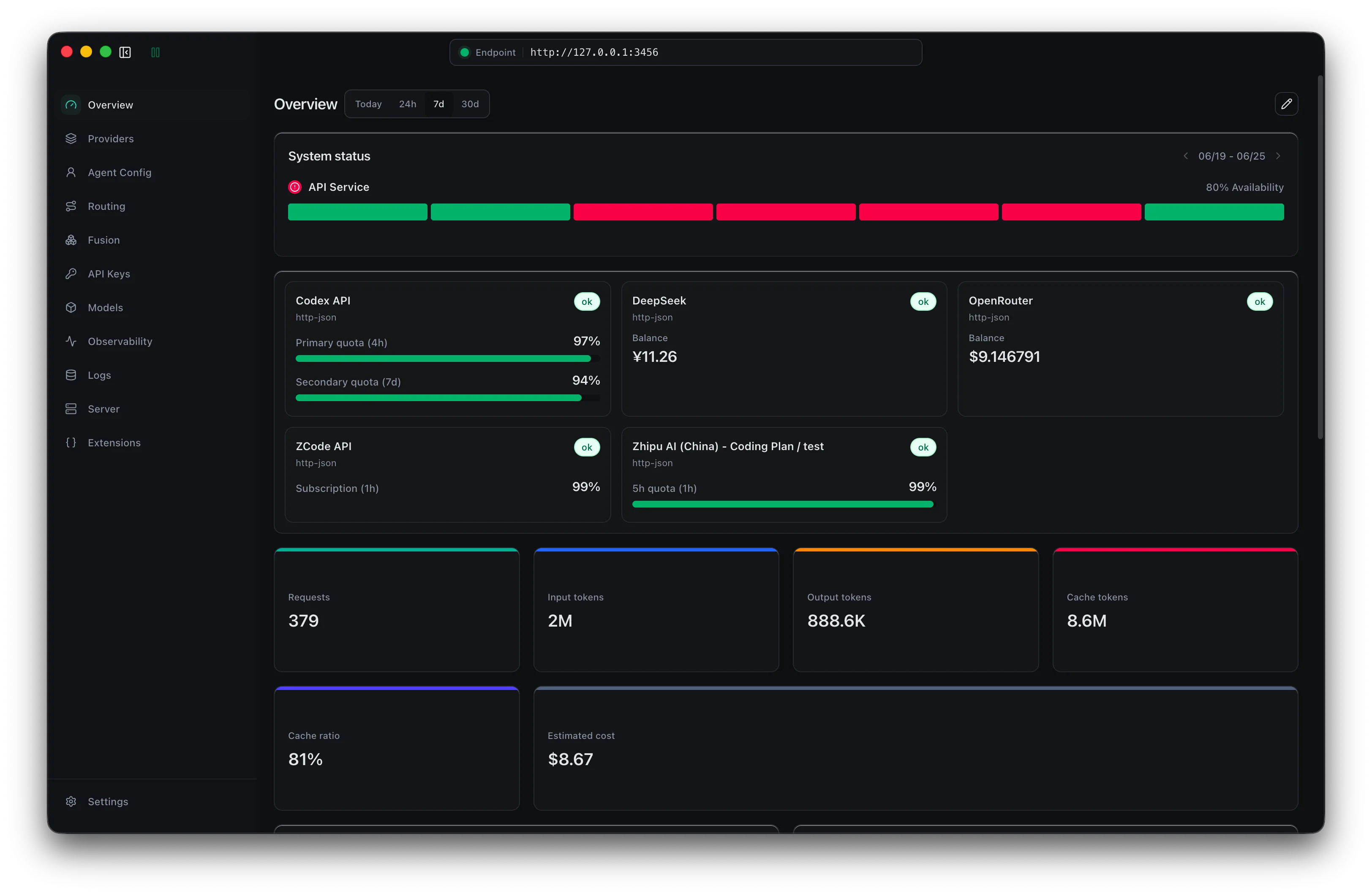
MIT-licensed local gateway and desktop control plane for routing Claude Code, Codex, Grok CLI, and compatible agents across model providers.
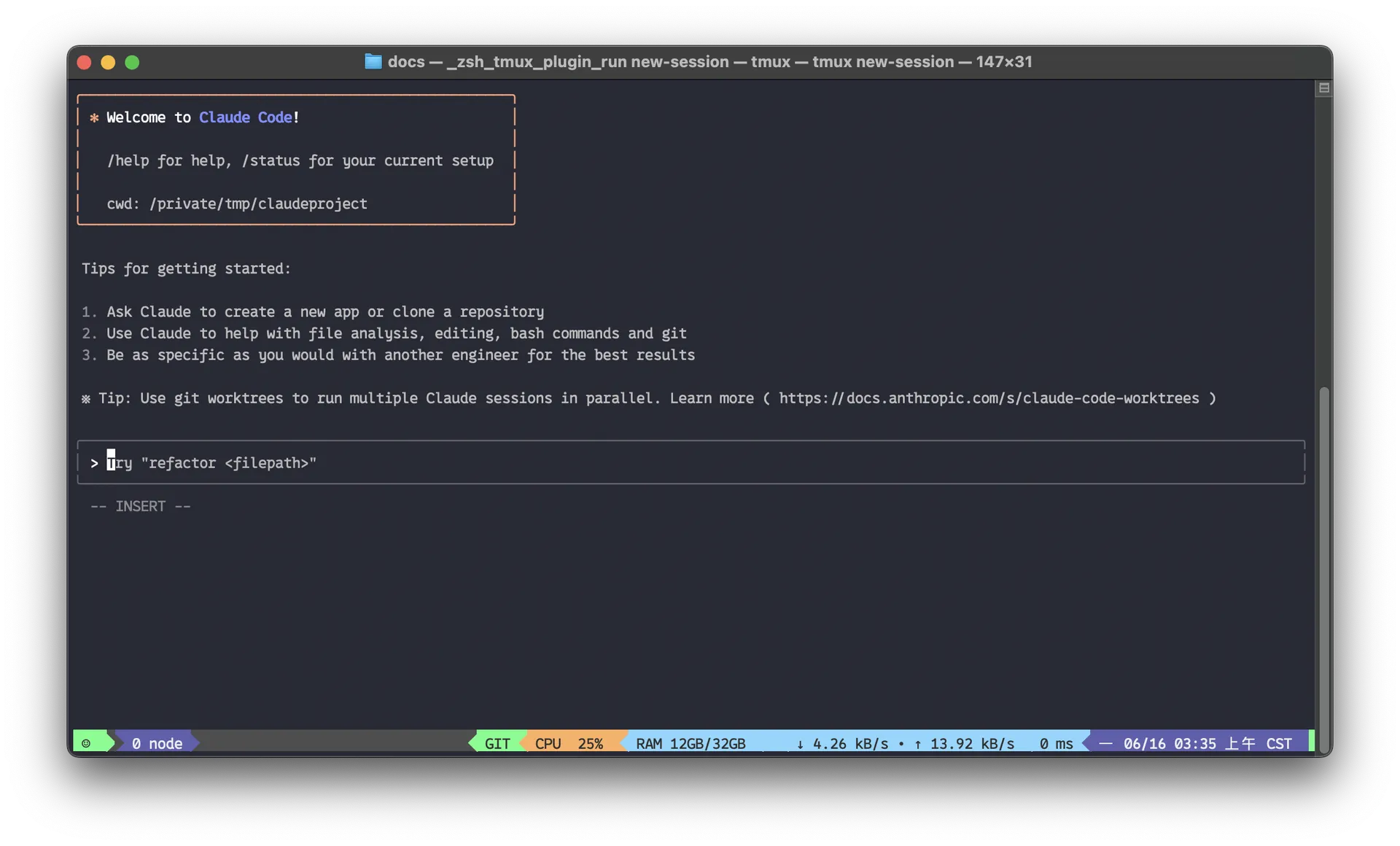
Anthropic’s agentic coding platform for terminal, IDE, desktop, web, CI, and code-review workflows.

Source-available VS Code and Cursor interface for Claude Code with checkpoints, inline diffs, history, permissions, and extension marketplaces.

Open-source terminal dashboard for tracking Claude Code token usage, burn rate, and predicted session cutoffs.

Browser-based code intelligence engine that turns repositories into an interactive knowledge graph with Graph RAG assistance.

Open-source local AI agent from the Agentic AI Foundation with CLI, desktop, and API workflows plus MCP extensibility.
Do one more comparison before you commit to Serena
Strong picks usually survive one more internal check. Read deeper, compare a neighbor, then leave for the vendor page if the fit still holds.