LoopX
MIT-licensed state kernel and local control plane that keeps Codex, Claude Code, Cursor, OpenCode, and peer agent teams aligned on long-running goals.
Do not bounce yet
Read the fit check, compare one alternative, then decide whether the vendor page is still your best next click.
Quick Verdict
Fast fit check before you leave the page
Make the fit call first. Vendor pages are good at selling, but they rarely tell you where the product is a bad match.
- Developers running Codex, Claude Code, Cursor, OpenCode, or other coding agents on multi-day implementation goals
- Platform engineers building bounded host wakeups, PR monitors, issue-fix routes, or off-hours agent workflows
- Teams evaluating scoped recall, explicit human gates, evidence logs, and typed continuation
- LoopX is still young and its strongest outcome evidence remains vendor-authored trajectories and repository activity rather than independent production studies.
- The documented quick start requires Python 3.11 plus curl, tar, and a macOS or Linux shell, so native Windows users need a compatible environment such as WSL.
- Persisted routes, host scheduling, recall, monitors, and lifecycle helpers add a substantial control-plane layer that simple one-shot tasks do not justify.
Compare Next
Take one more internal step before the vendor pitch
This is where visitors usually jump out too early. Read one deeper take or open one alternative so the next click is informed instead of impulsive.
Alternative profile
Good To Go
MIT-licensed CLI that gives AI coding agents a deterministic answer on whether a GitHub pull request is ready to merge.
Alternative profile
Symphony
Apache-2.0 Codex orchestration spec and Elixir preview that turns tracker issues into isolated, long-running agent implementation runs.
Alternative profile
Agentic Orchestrator
DoorDash open-source TUI that turns large feature requests into checkpointed multi-phase coding-agent workflows across Claude Code, Codex, and OpenCode.
LoopX is worth tracking because heavy coding-agent users are running into a coordination problem. Codex, Claude Code, Cursor, OpenCode, and similar tools can execute useful bounded turns, but long-running work still needs durable goals, capability-routed todos, explicit gates, evidence, quota, and handoff state. LoopX v0.4.1 sits around the executor as a local state kernel, adding typed Goal continuation, bounded host wakeups, scoped read-only recall, and provider-neutral lifecycle records without treating remembered context as action authority.
LoopX is a lightweight state kernel and local control plane for long-running coding-agent work. It does not replace Codex, Claude Code, Cursor, OpenCode, or another executor; it preserves objectives, gates, capability-routed todos, quota, scheduler hints, evidence, claims, leases, and typed handoff state across bounded turns. Its newer Goal-host continuation and scoped recall paths help agents resume durable work without turning remembered guidance into action authority, making it useful to vibe-coding teams that need agent loops to remain reviewable, restartable, quota-aware, and explicit about human decisions.
Why Choose LoopX?
Choose LoopX when your team already uses coding agents for real work and the problem is continuity, not another chat box.
v0.4.1 is strongest for long-running work where admitted Todo routes, blockers, evidence, quota, and human decisions must survive across turns.
The agent-agnostic design matters because Codex App, Codex CLI, Claude Code, Cursor, OpenCode, and shell-driven agents can share project loop state.
Do not choose LoopX for simple one-shot coding tasks or treat its vendor-authored 200+ hour trajectories as independent proof; the control-plane complexity only pays off in recurring workflows.
Key Features
Stores objectives, gates, capability-routed todos, scope, claims, leases, evidence, run history, quota, and handoff state for long-running agent work.
Works as a local control plane around Codex App, Codex CLI, Claude Code, Cursor, OpenCode, and manual shell or other runtimes instead of replacing the executor.
Persists admitted Todo routes and typed Goal continuation context so later host turns can resume the same work without re-inferring intent.
Supports explicit human gates, safe fallback work, bounded scheduler hints, and earliest-material-frontier wakeups so agent loops do not spin silently.
Offers default-off Agent Turn Recall scoped by agent, goal, project, Todo, turn instance, freshness, and authority; recalled guidance remains read-only context.
Provides grouped Issue Fix PR monitoring and a provider-neutral Content Ops lifecycle for revision-bound approvals, receipts, readback, and supersession without storing content bodies or credentials.
Pros & Cons
- Targets a real post-prompting problem: keeping long-running agent work reviewable, restartable, and explicit about blockers.
- Agent-agnostic design lets teams keep Codex, Claude Code, Cursor, OpenCode, or other runtimes while standardizing loop state around them.
- v0.4.1 tightens continuation and authority boundaries while explicitly declining benchmark and long-horizon uplift claims.
- MIT licensing, local-first state, exact-release validation notes, and a rapidly growing public repository make the implementation inspectable.
- LoopX is still young and its strongest outcome evidence remains vendor-authored trajectories and repository activity rather than independent production studies.
- The documented quick start requires Python 3.11 plus curl, tar, and a macOS or Linux shell, so native Windows users need a compatible environment such as WSL.
- Persisted routes, host scheduling, recall, monitors, and lifecycle helpers add a substantial control-plane layer that simple one-shot tasks do not justify.
- Recall, automation drivers, PR watchers, and provider integrations need least-privilege credentials, bounded quotas, explicit write gates, and human review.
Detailed Use Cases for LoopX
Persist capability-admitted Todo routes and typed Goal continuation so later agent turns can resume the selected domain work without re-inferring intent.
Use default-off, agent-scoped Turn Recall as read-only context while current Todo, capability, write scope, interaction, and user gates remain authoritative.
Group Issue Fix PR monitors and require explicit capability-route selection so unrelated URLs or later Todos cannot silently redirect the workflow.
Model content revisions, approvals, delivery receipts, readback, and supersession while leaving content bodies, credentials, and provider authority outside LoopX.
Who Should Use LoopX?
Developers running Codex, Claude Code, Cursor, OpenCode, or other coding agents on multi-day implementation goals
Platform engineers building bounded host wakeups, PR monitors, issue-fix routes, or off-hours agent workflows
Teams evaluating scoped recall, explicit human gates, evidence logs, and typed continuation
Agent-tool builders comparing loop-engineering control planes, ticket-to-PR orchestrators, and local state kernels
Perfect For
Keep a multi-day Codex, Claude Code, Cursor, or OpenCode implementation goal moving while preserving scope, evidence, blockers, and next actions across turns.
Run issue-to-PR loops with explicit capability routing, grouped monitors, tests, evidence, and handoff notes rather than only editing files.
Coordinate peer agents through admitted Todo routes, claims, leases, selected work, and typed continuation without relying on one hidden durable leader.
Add quota-aware host wakeups and scoped read-only recall that stop at authority boundaries instead of turning old context into permission.
Technical Details
Direct Competitors
Symphony
Vibe Kanban
Omnigent
Agentic Orchestrator
Manifest Dev
Good To Go
Similar Tools You Might Like
MIT-licensed codebase knowledge graph and MCP server for structural search, natural-language exploration, data-flow tracing, and agent-assisted edits across mixed-language repositories.
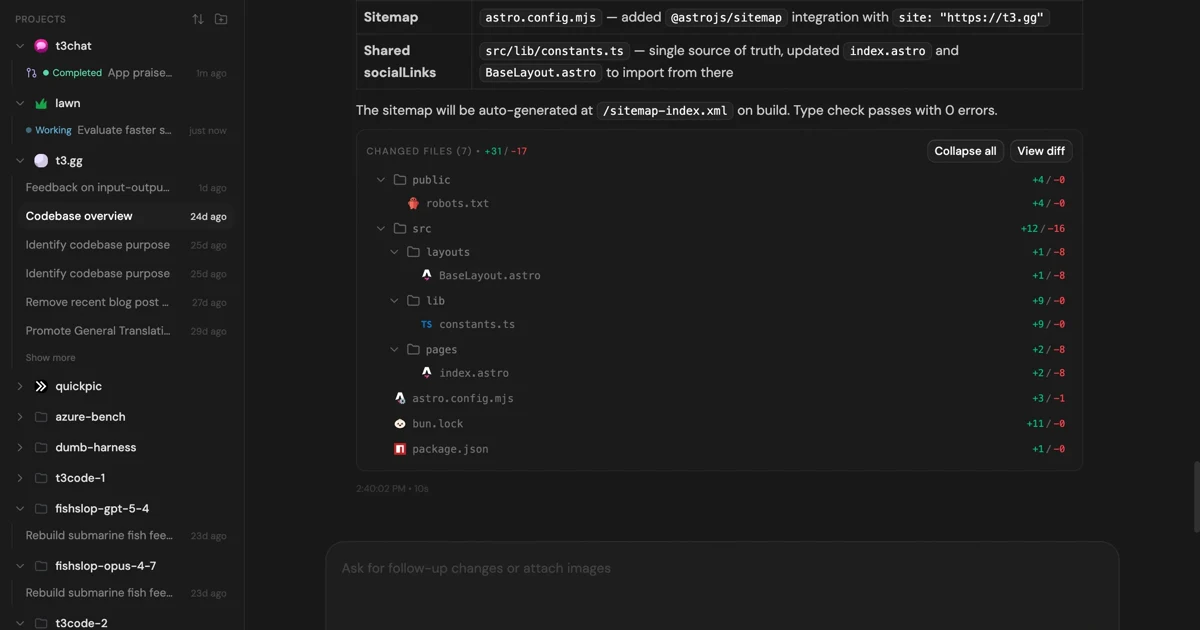
MIT-licensed control plane for running Claude Code, Codex, Cursor, Grok, and OpenCode threads from desktop, web, iOS, and Android clients.
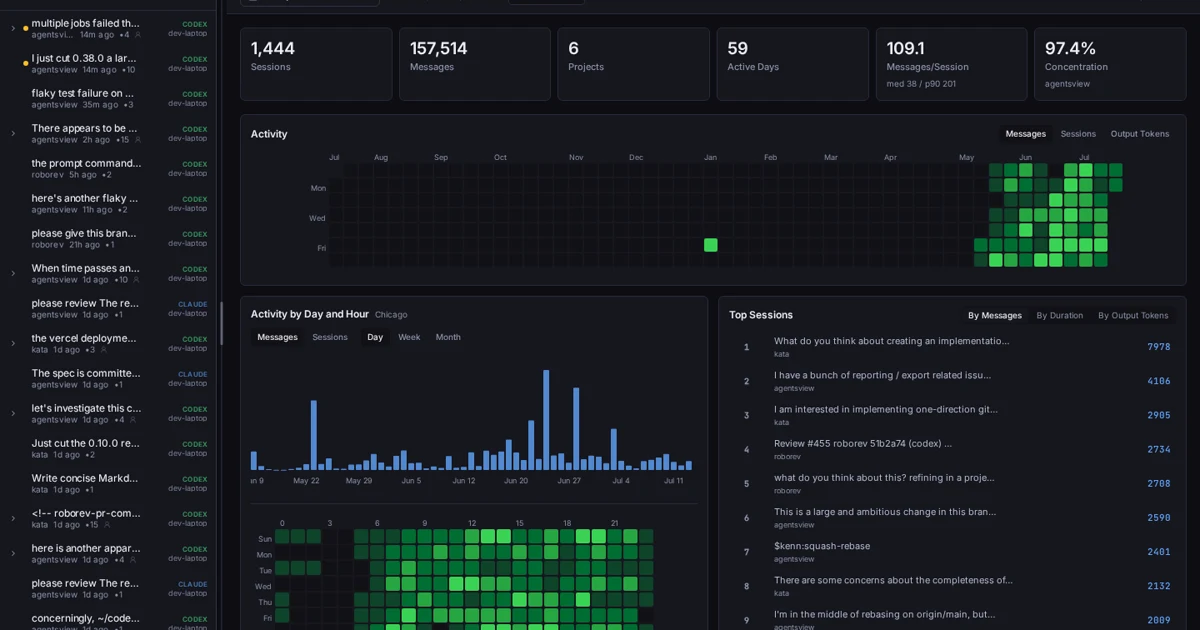
MIT-licensed local-first desktop, web, and CLI workspace for searching coding-agent sessions and analyzing activity, tokens, and costs across tools.
Alternative Tools to Consider
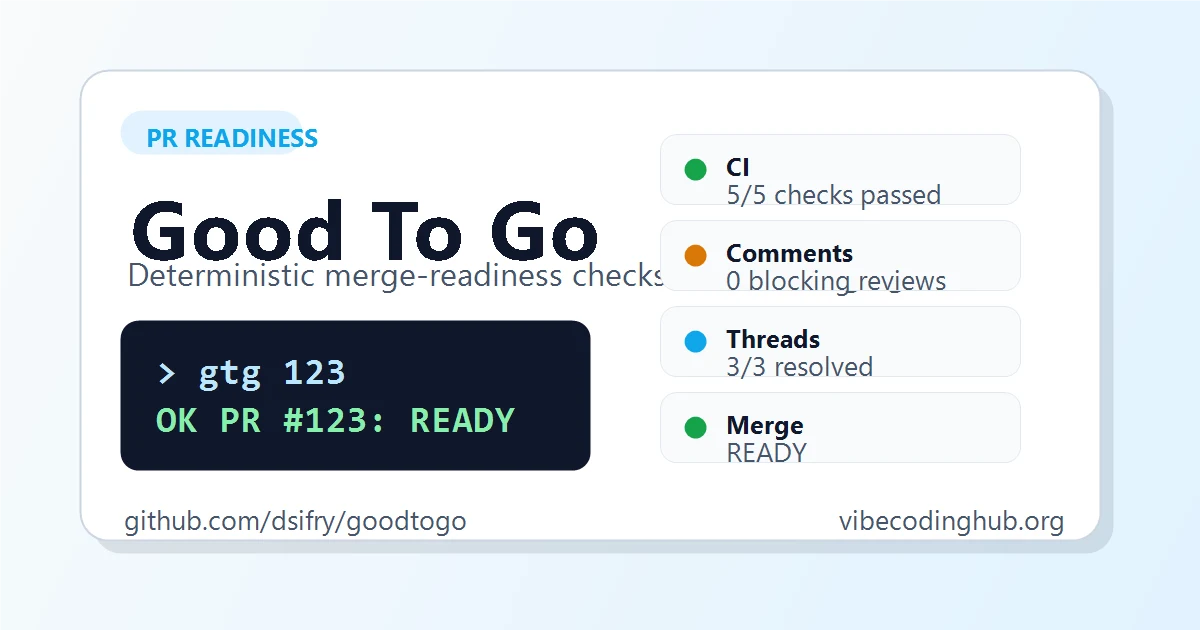
MIT-licensed CLI that gives AI coding agents a deterministic answer on whether a GitHub pull request is ready to merge.
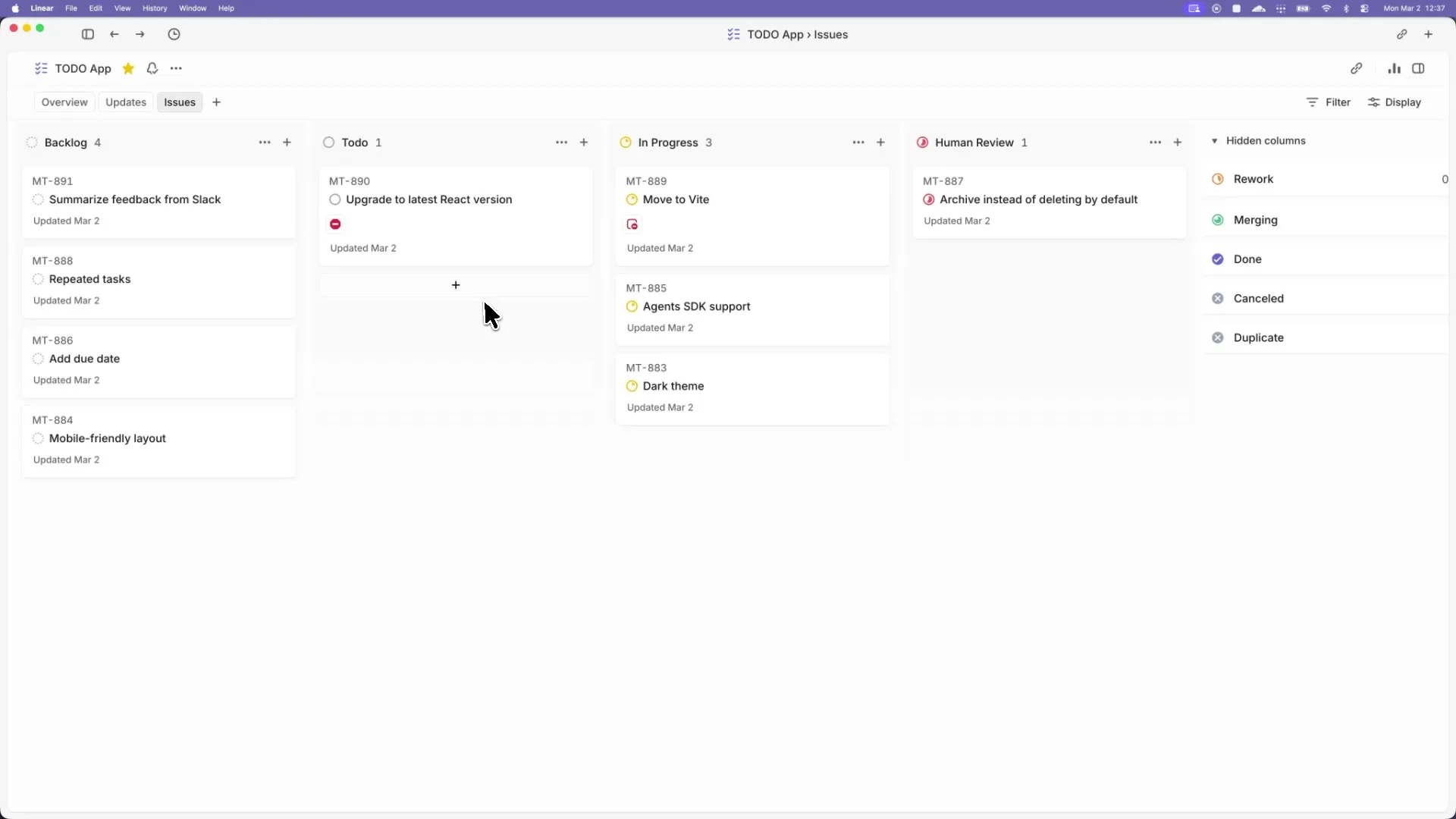
Apache-2.0 Codex orchestration spec and Elixir preview that turns tracker issues into isolated, long-running agent implementation runs.
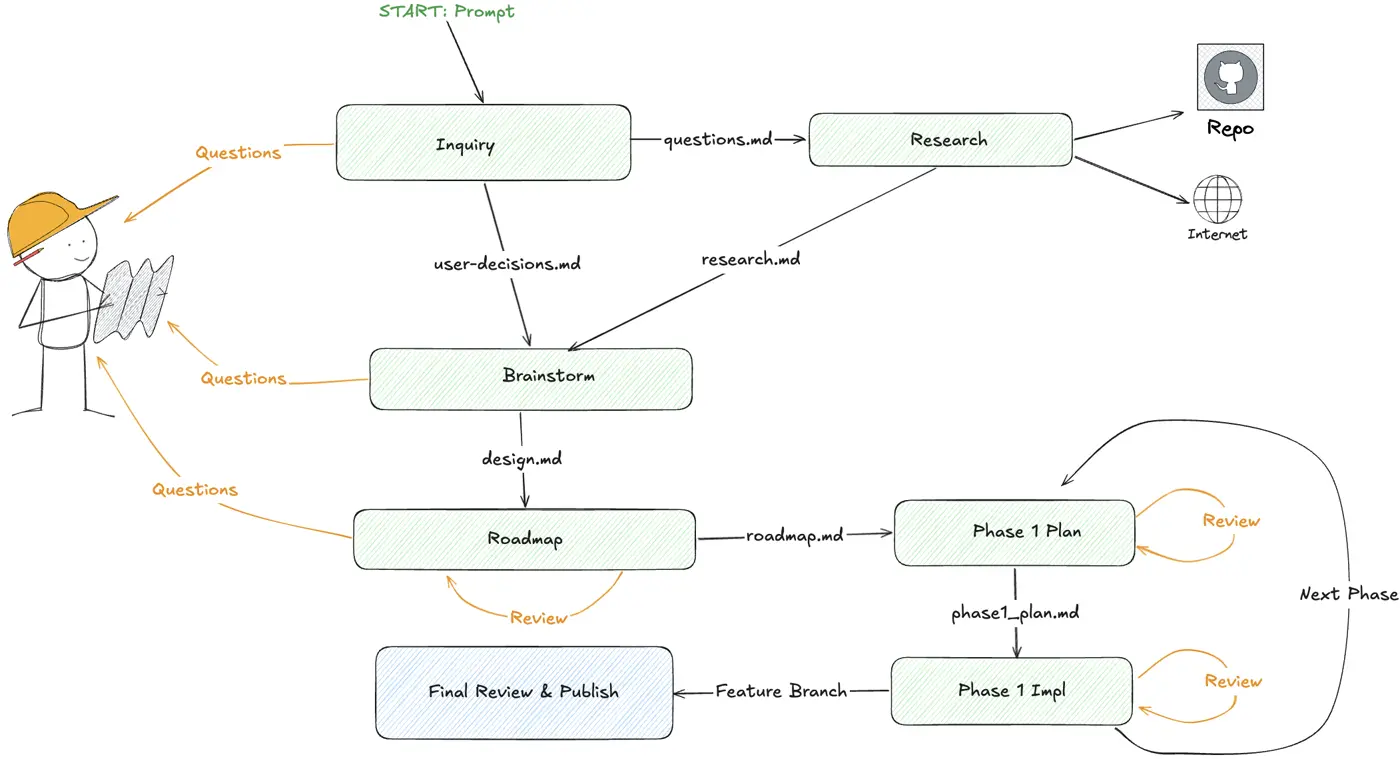
DoorDash open-source TUI that turns large feature requests into checkpointed multi-phase coding-agent workflows across Claude Code, Codex, and OpenCode.
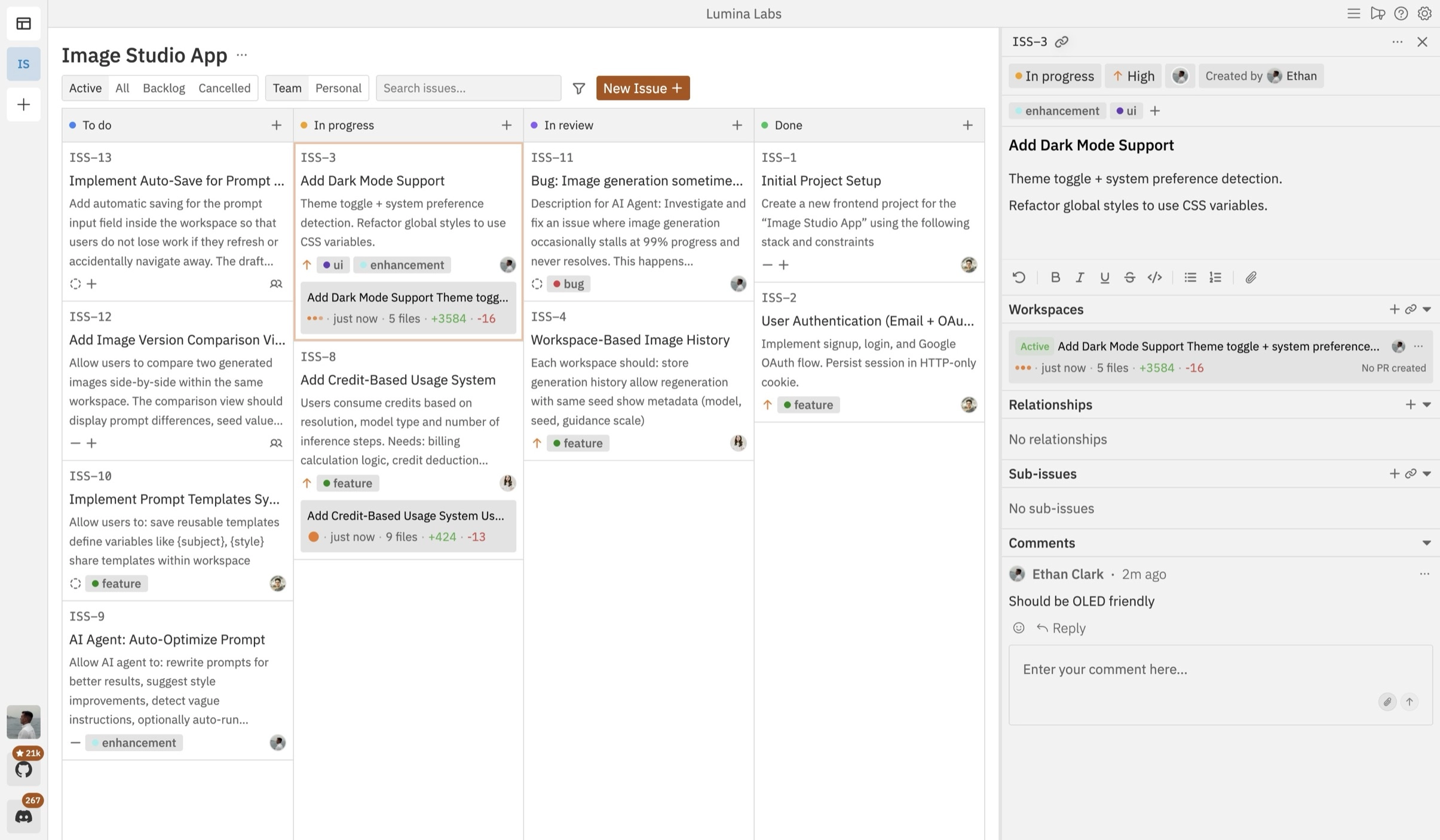
Open-source Kanban control plane for planning, running, and reviewing multiple coding agents across isolated workspaces.
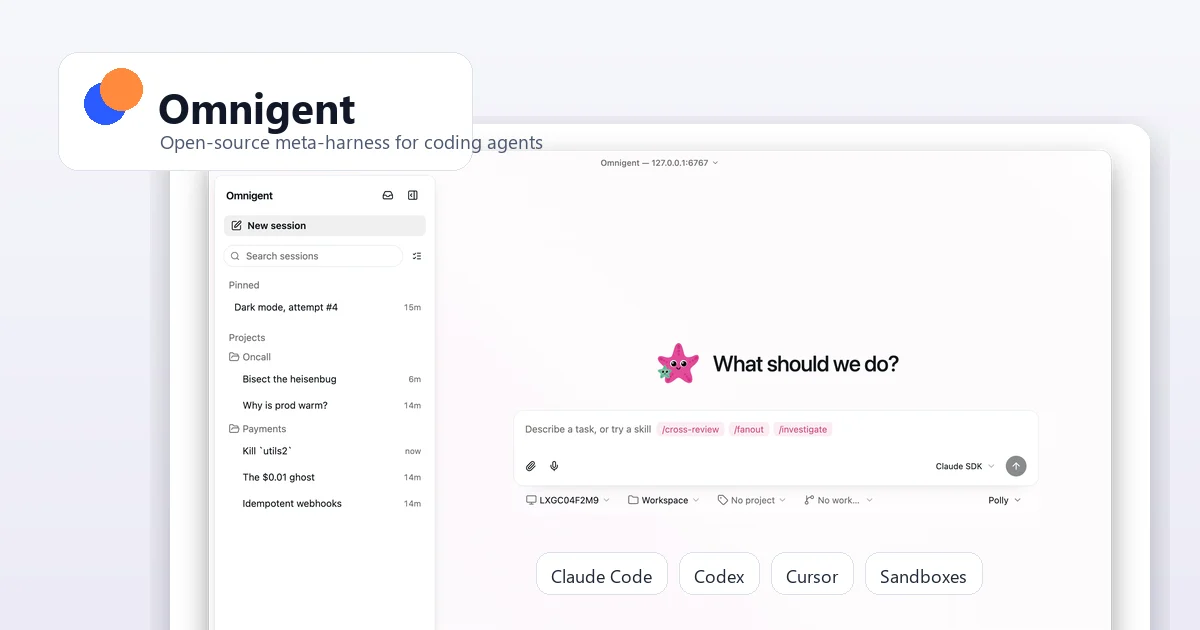
Open-source meta-harness for running, governing, sharing, and switching between coding agents like Claude Code, Codex, Cursor, OpenCode, Hermes, and Pi.
Do one more comparison before you commit to LoopX
Strong picks usually survive one more internal check. Read deeper, compare a neighbor, then leave for the vendor page if the fit still holds.