
AWS Kiro
Spec-driven AI IDE and CLI from AWS that turns prompts into requirements, tasks, and production-oriented implementation workflows.
Do not bounce yet
Read the fit check, compare one alternative, then decide whether the vendor page is still your best next click.
Quick Verdict
Fast fit check before you leave the page
Make the fit call first. Vendor pages are good at selling, but they rarely tell you where the product is a bad match.
- Engineering teams trying to impose process on AI-assisted coding
- Developers working on complex codebases that need explicit requirements and task planning
- Teams evaluating Kiro vs Cursor, Claude Code, Windsurf, or Gemini CLI
- The structured workflow adds overhead, so Kiro is not the right pick when you just want the fastest possible throwaway prototype
- Its process-heavy posture will feel slower than Cursor-, Claude Code-, or Windsurf-style tools for developers who prefer improvisational iteration
- The product is still proprietary, so teams are buying into Kiro's workflow and roadmap rather than an open stack they fully control
Compare Next
Take one more internal step before the vendor pitch
This is where visitors usually jump out too early. Read one deeper take or open one alternative so the next click is informed instead of impulsive.
Related article
AWS Kiro: The Real Deal or Just Another AI IDE Wannabe?
AWS Kiro: Can Amazon’s AI IDE Really Change the Game? A Real-World Look
Alternative profile
Claude Code Router
MIT-licensed local gateway and desktop control plane for routing Claude Code, Codex, Grok CLI, and compatible agents across model providers.
Alternative profile
Claude Code
Anthropic’s agentic coding platform for terminal, IDE, desktop, web, CI, and code-review workflows.
Alternative profile
Claude Code Chat
Source-available VS Code and Cursor interface for Claude Code with checkpoints, inline diffs, history, permissions, and extension marketplaces.
AWS Kiro is an AI coding product for teams that want more structure than a chat-first IDE usually gives them. Its pitch is not just 'generate code faster,' but 'turn prompts into requirements, design, tasks, and implementation workflows that can survive contact with a real codebase.' With a real free tier and multiple paid credit tiers now in the market, Kiro is easier to evaluate as a serious production-oriented tool instead of a vague preview curiosity.
AWS Kiro is a spec-driven coding environment for developers who want more structure than a chat-first IDE usually provides. It combines an AI IDE, a CLI, agent hooks, steering, and prompt-to-spec workflows so requests can become requirements, design decisions, task breakdowns, and implementation work across real repositories. With current pricing that starts from a true free tier and paid credit-based plans above that, Kiro now looks less like a closed preview and more like a serious production-oriented option for teams trying to turn vibe coding into maintainable software.
Why Choose AWS Kiro?
Choose Kiro if your main problem is not lack of generation speed, but lack of structure once AI-generated work starts touching a real repository.
It is especially worth a look for teams that want executable specs, implementation planning, agent hooks, and terminal-capable workflows in one product story.
The current free tier also makes it much easier to test whether the workflow actually helps before rolling paid seats out across a team.
Key Features
Spec-driven development workflow that turns a natural-language request into structured requirements, architecture, and task breakdowns before implementation starts
Kiro IDE, Kiro CLI, and Kiro Web coverage so the product is not trapped inside one editor pane or one laptop session
Agent hooks, steering files, custom powers, and prompt-to-spec workflows for keeping long-running implementation work aligned with intent
Support for large-codebase work where planning, validation, and maintaining context matter more than flashy one-shot generation
Current product momentum includes Kiro Web updates, GitLab support, TDD-oriented flows, and ongoing model/tier expansion
Credit-based pricing tiers that now start with a real free plan instead of forcing evaluation through a vague preview story
Pros & Cons
- Kiro has a more credible answer than most AI IDEs to the question “how does this hold up after the first demo?” because it forces structure early
- The CLI, SSH, and headless workflow story makes it relevant outside a single GUI session and better suited to real engineering environments
- Spec-driven planning is valuable for teams that need traceability, reviewability, and shared intent rather than isolated prompt wizardry
- The public repo and docs make the product easier to evaluate than tools that ship pure marketing pages with no inspectable surface
- The structured workflow adds overhead, so Kiro is not the right pick when you just want the fastest possible throwaway prototype
- Its process-heavy posture will feel slower than Cursor-, Claude Code-, or Windsurf-style tools for developers who prefer improvisational iteration
- The product is still proprietary, so teams are buying into Kiro's workflow and roadmap rather than an open stack they fully control
- Public discussion around the product has included security and account-friction concerns, so it deserves a cautious evaluation before broad rollout
Detailed Use Cases for AWS Kiro
Use Kiro when your team wants prompts to produce requirements, design decisions, and task lists first so implementation is less chaotic and easier to review.
Kiro is relevant when terminal, SSH, or headless execution matters because the workflow is not confined to an editor-only experience.
It is a better fit than most vibe-coding tools when the goal is maintainable delivery in a real repository rather than a flashy one-off prototype.
Who Should Use AWS Kiro?
Engineering teams trying to impose process on AI-assisted coding
Developers working on complex codebases that need explicit requirements and task planning
Teams evaluating Kiro vs Cursor, Claude Code, Windsurf, or Gemini CLI
Builders who want terminal and SSH workflows alongside an AI IDE
Perfect For
Turn vague product ideas into requirements, design decisions, and implementation tasks before asking an agent to write code
Run AI-assisted development on real repositories where SSH access, terminal tooling, and CI-oriented execution matter
Bring more structure to teams that are already using AI coding heavily but are tired of undocumented prompt sprawl
Work on complex codebases where architectural planning and stepwise execution are more important than one-shot code generation
Technical Details
Direct Competitors
Cursor
Claude Code
Windsurf
Gemini CLI
Similar Tools You Might Like


AI code editor with local, cloud, CLI, and mobile coding agents

Multiplayer coding-agent workspace that combines shared tasks, agent sessions, plans, design reviews, code diffs, worktrees, and remote workers across Claude Code, Codex, and other harnesses.
Alternative Tools to Consider
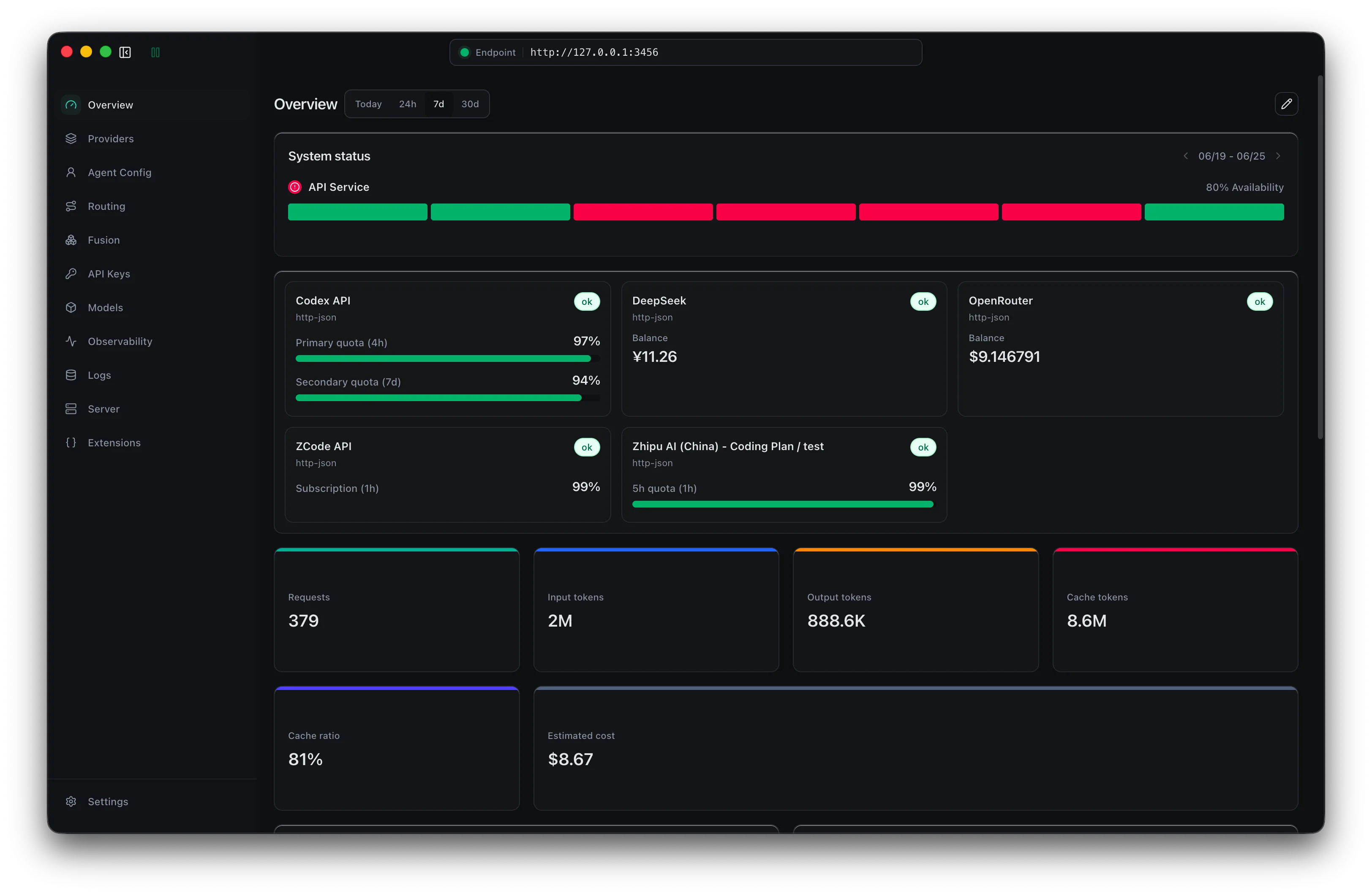
MIT-licensed local gateway and desktop control plane for routing Claude Code, Codex, Grok CLI, and compatible agents across model providers.
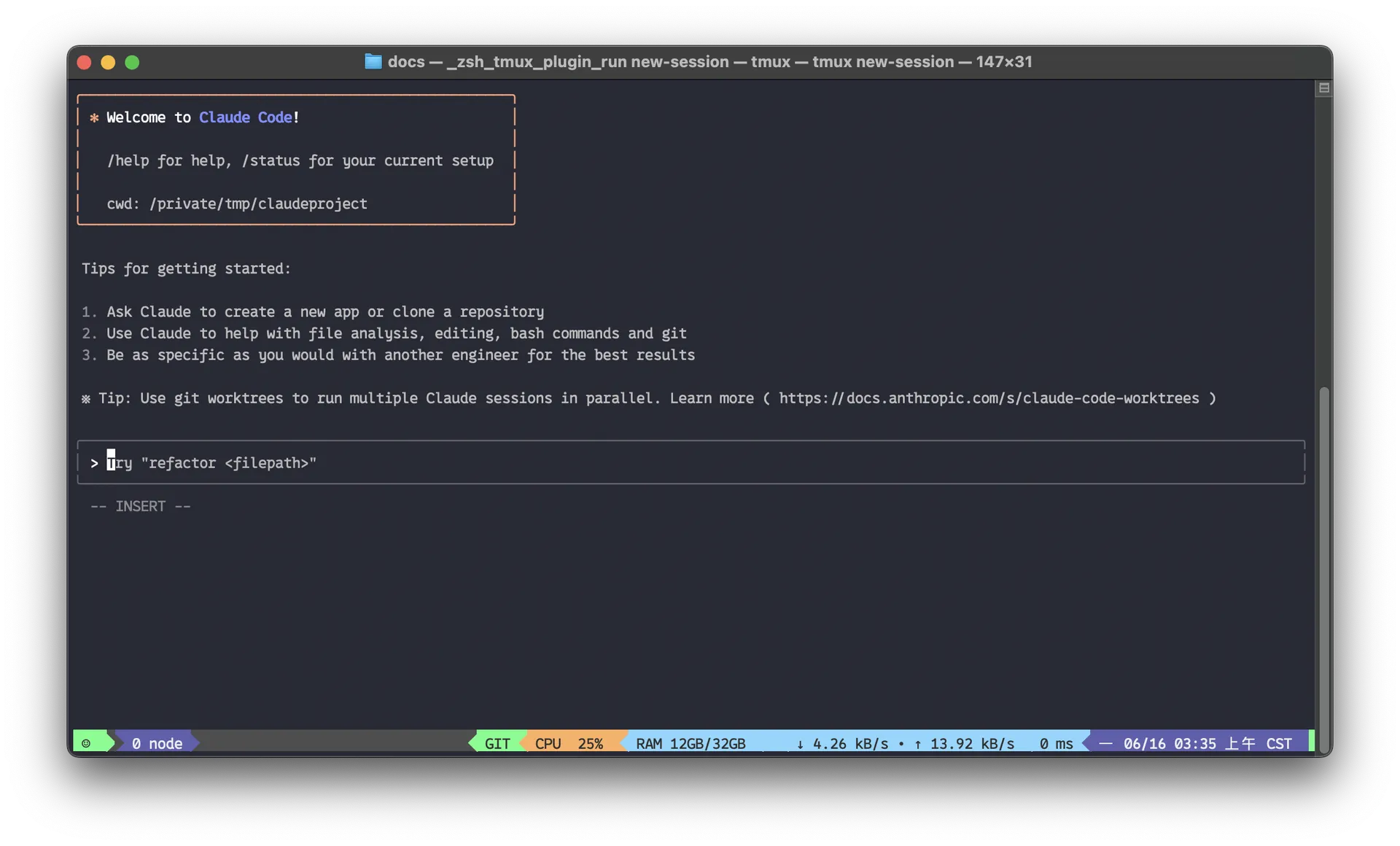
Anthropic’s agentic coding platform for terminal, IDE, desktop, web, CI, and code-review workflows.

Source-available VS Code and Cursor interface for Claude Code with checkpoints, inline diffs, history, permissions, and extension marketplaces.

Open-source terminal dashboard for tracking Claude Code token usage, burn rate, and predicted session cutoffs.
AI code editor with local, cloud, CLI, and mobile coding agents

Google's open-source terminal coding agent with Gemini 3 models, MCP extensibility, and strong headless automation workflows.
Do one more comparison before you commit to AWS Kiro
Strong picks usually survive one more internal check. Read deeper, compare a neighbor, then leave for the vendor page if the fit still holds.