
Qoder
Agentic coding platform with an AI editor, autonomous Quest workspace, repository knowledge tools, JetBrains support, and a CLI
Do not bounce yet
Read the fit check, compare one alternative, then decide whether the vendor page is still your best next click.
Quick Verdict
Fast fit check before you leave the page
Make the fit call first. Vendor pages are good at selling, but they rarely tell you where the product is a bad match.
- Developers who want an AI editor and a dedicated autonomous task workspace from the same product.
- Teams that need isolated worktree execution for parallel agent tasks.
- Maintainers who want generated repository documentation and architecture context checked into the project.
- Premium-model requests, Quest runs, and repository knowledge generation consume credits
- Generated code and repository documentation still require human review
- Cloud execution and GitHub integrations expand the product's trust boundary
Compare Next
Take one more internal step before the vendor pitch
This is where visitors usually jump out too early. Read one deeper take or open one alternative so the next click is informed instead of impulsive.
Related article
Qoder vs Cursor in 2026: Pricing, Agents, CLI, and Tradeoffs
A practical Qoder vs Cursor comparison covering current pricing, autonomous agents, local and cloud execution, CLI support, codebase knowledge, and the tradeoffs that matter before you switch.
Alternative profile
Claude Code Router
MIT-licensed local gateway and desktop control plane for routing Claude Code, Codex, Grok CLI, and compatible agents across model providers.
Alternative profile
Aider
Open-source terminal coding agent with git-native edits, repo mapping, and broad model support
Alternative profile
Claude Code
Anthropic’s agentic coding platform for terminal, IDE, desktop, web, CI, and code-review workflows.
Qoder is an agentic development platform with an AI editor, a separate Quest workspace for delegated tasks, repository knowledge tools, a JetBrains plugin, and a command-line agent. Editor is designed for in-flow assistance and interactive coding, while Quest organizes longer work around execution steps, artifacts, diffs, and git handoff. Qoder can run tasks in the open workspace, an isolated git worktree, or a managed cloud environment. That range makes it flexible, but premium-model usage and knowledge generation are governed by Qoder's credit system, and every generated change still needs review.
Qoder is an agentic development platform built around two connected workspaces: Editor for code completion, inline assistance, and interactive Agent work, and Quest for longer autonomous tasks with execution tracking, artifact review, diffs, and git handoff. Quest can work in the open repository or an isolated git worktree, while Repo Wiki and Knowledge Cards maintain structured project context for people and agents. Qoder also offers a JetBrains plugin and a cross-platform CLI with interactive, non-interactive, permission-controlled, and cloud execution paths.
Why Choose Qoder?
Separate editor and task workspaces: Use Editor for completions, inline help, and interactive Agent work, then switch to Quest when a longer task benefits from progress tracking and artifact review.
Isolated local execution: Quest can use a git worktree so an autonomous task does not modify the open checkout directly.
Reusable repository context: Repo Wiki and Knowledge Cards turn code and project decisions into structured material that agents and teammates can consult.
Terminal and automation support: Qoder CLI runs interactively or non-interactively and exposes permission controls for files, shell commands, web access, MCP tools, and subagents.
Multiple execution locations: Local, worktree, and cloud options let teams choose between direct access, local isolation, and remote continuation.
Key Features
Editor workspace with NEXT suggestions, inline chat, Ask mode, and Agent mode
Quest workspace for long-running tasks, progress tracking, artifact review, and diff inspection
Local and isolated git worktree execution for Quest tasks
Repo Wiki and Knowledge Cards for maintained repository context
Cross-platform Qoder CLI with interactive and non-interactive workflows
MCP, Skills, hooks, and permission rules for extending and controlling agent behavior
Optional cloud execution and GitHub Actions integration
Pros & Cons
- Combines an AI editor, a dedicated autonomous task workspace, a JetBrains plugin, and a CLI
- Worktree execution isolates parallel tasks from the open checkout
- Repo Wiki and Knowledge Cards create reusable project context for people and agents
- CLI permissions can scope file, shell, web, MCP, and subagent access
- Premium-model requests, Quest runs, and repository knowledge generation consume credits
- Generated code and repository documentation still require human review
- Cloud execution and GitHub integrations expand the product's trust boundary
- Fast product changes can make older setup and pricing guidance stale
Detailed Use Cases for Qoder
Run a Quest in a separate git worktree when a feature, refactor, or bug fix should not disturb the active checkout. Review the resulting diff and tests before applying or merging it.
Use Quest to clarify requirements, follow execution steps, inspect artifacts, and review code changes for a task that needs more structure than an editor chat.
Generate Repo Wiki and Knowledge Cards to create a reviewable map of architecture, specifications, and technology choices. Treat the output as maintained documentation, not as an unquestionable source.
Use Qoder CLI for interactive coding or non-interactive workflows, with explicit tool and path permissions for trusted repositories and automation.
Use Qoder's managed cloud mode when a task should continue without keeping the local machine active, after reviewing repository access, secrets, network requirements, and expected credit usage.
Who Should Use Qoder?
Developers who want an AI editor and a dedicated autonomous task workspace from the same product.
Teams that need isolated worktree execution for parallel agent tasks.
Maintainers who want generated repository documentation and architecture context checked into the project.
Terminal-first developers who need interactive sessions, print-mode automation, MCP, Skills, and scoped permissions.
Organizations willing to evaluate Qoder's credit model, cloud trust boundary, and generated artifacts before wider adoption.
Perfect For
Isolated feature development or refactoring in git worktrees
Long-running implementation tasks managed through Quest
Repository onboarding and architecture review with Repo Wiki
Terminal-based coding and automation with Qoder CLI
Technical Details
Direct Competitors
Cursor
Claude Code
OpenAI Codex
Cline
Aider
Similar Tools You Might Like

AI code editor with local, cloud, CLI, and mobile coding agents


Windsurf is an AI-native IDE built around Cascade, a flow-aware coding agent and autocomplete system for full-stack development.
Alternative Tools to Consider
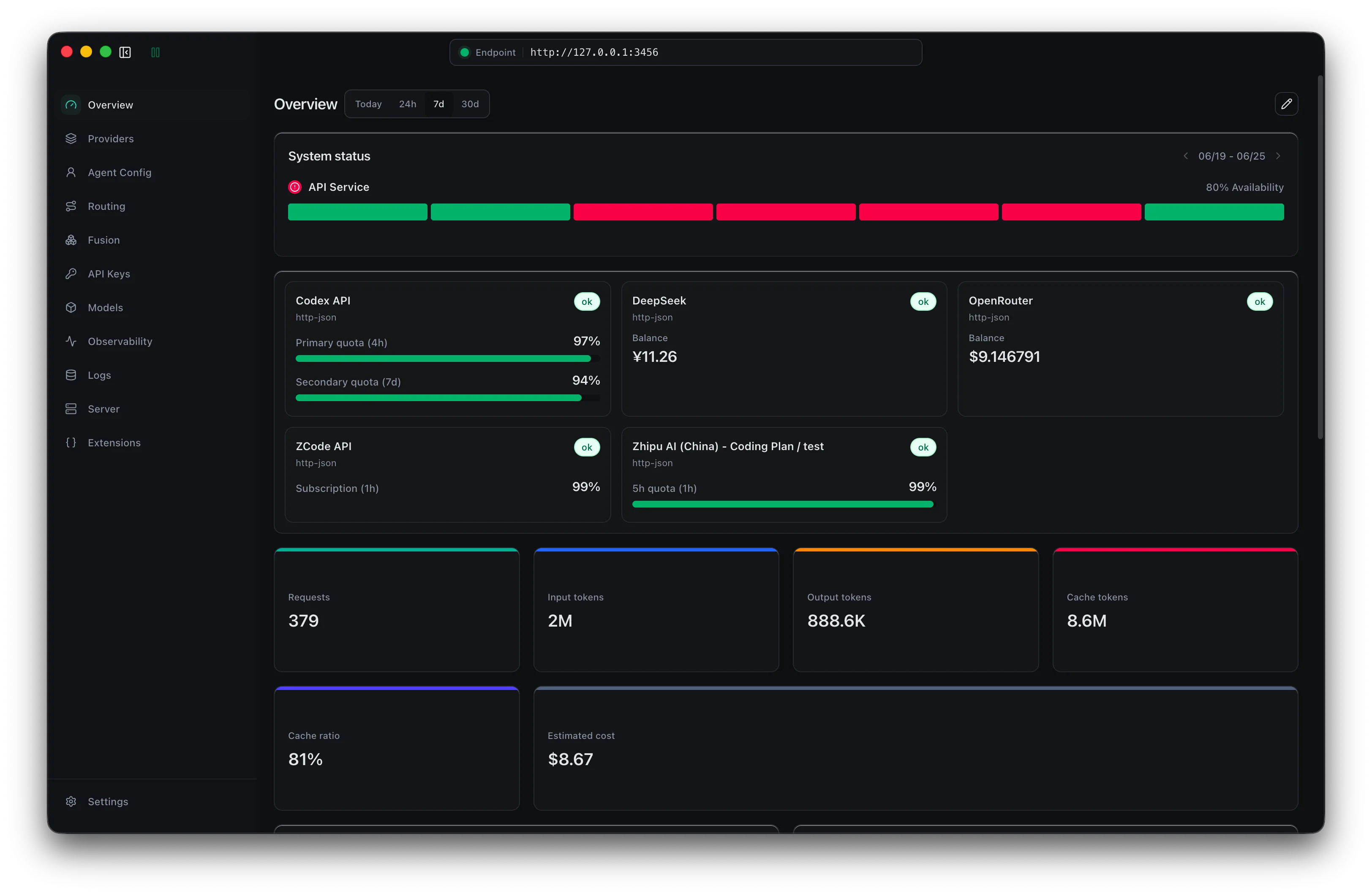
MIT-licensed local gateway and desktop control plane for routing Claude Code, Codex, Grok CLI, and compatible agents across model providers.

Open-source terminal coding agent with git-native edits, repo mapping, and broad model support
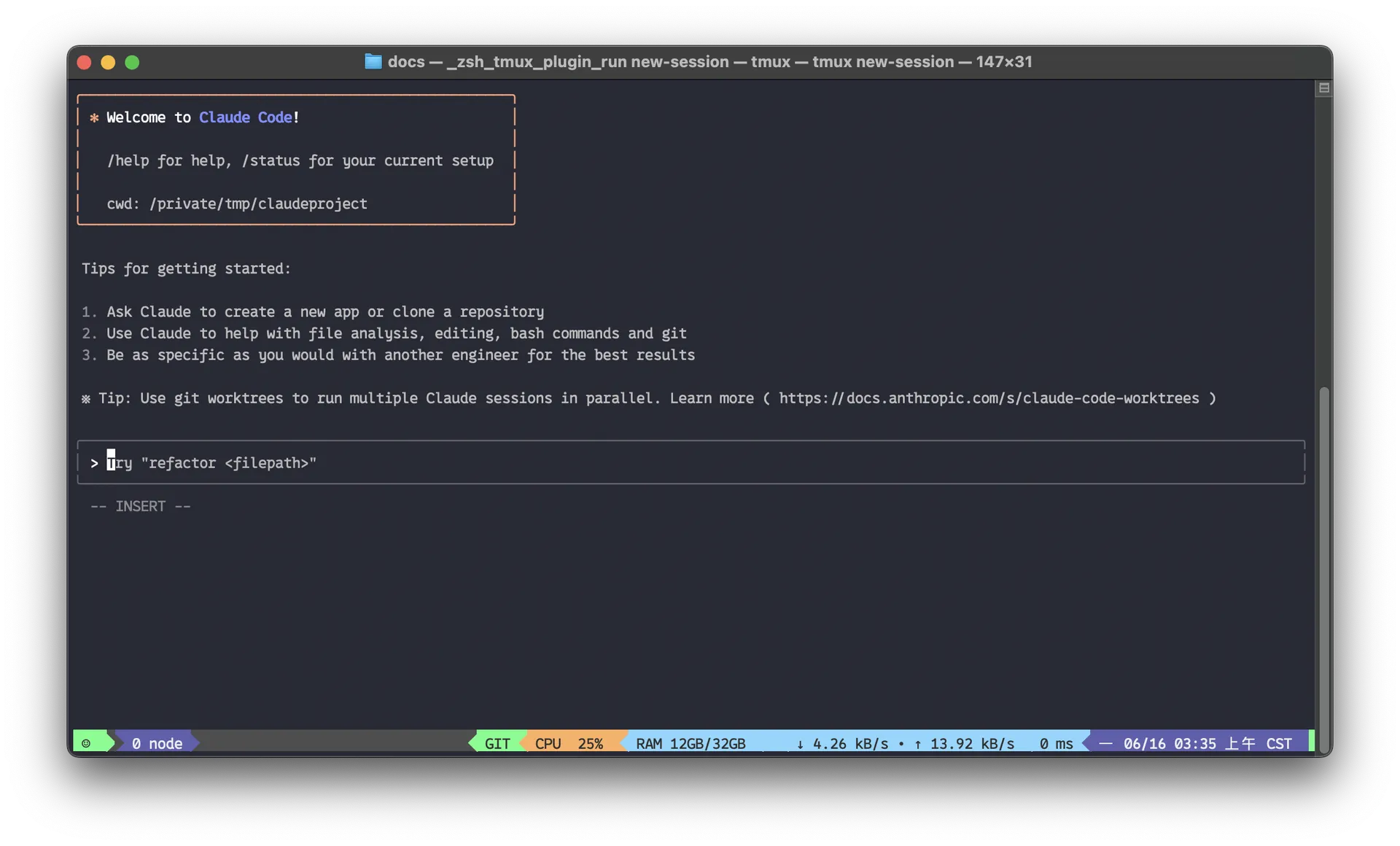
Anthropic’s agentic coding platform for terminal, IDE, desktop, web, CI, and code-review workflows.

Source-available VS Code and Cursor interface for Claude Code with checkpoints, inline diffs, history, permissions, and extension marketplaces.

Open-source terminal dashboard for tracking Claude Code token usage, burn rate, and predicted session cutoffs.

Open-source coding agent for VS Code and the terminal with browser automation, MCP extensibility, and human-in-the-loop approvals.
Do one more comparison before you commit to Qoder
Strong picks usually survive one more internal check. Read deeper, compare a neighbor, then leave for the vendor page if the fit still holds.