
Factory
Agent-native software development workspace for delegating refactors, migrations, incident response, and other repo tasks across IDE, CLI, browser, and chat.
Do not bounce yet
Read the fit check, compare one alternative, then decide whether the vendor page is still your best next click.
Quick Verdict
Fast fit check before you leave the page
Make the fit call first. Vendor pages are good at selling, but they rarely tell you where the product is a bad match.
- Engineering teams standardizing coding-agent workflows across multiple tools and interfaces
- Platform and engineering leaders evaluating governance, analytics, and ROI for AI coding adoption
- Teams that want async agent execution plus human review instead of one-shot prompt coding
- Factory is proprietary, so teams are trusting a hosted vendor for roadmap, agent behavior, and much of the surrounding control plane.
- There is no obvious lasting free tier on the public pricing page, so meaningful evaluation likely starts with paid usage.
- The platform breadth is appealing, but it also means the product story can feel more enterprise-heavy than focused tools built for individual developers.
Compare Next
Take one more internal step before the vendor pitch
This is where visitors usually jump out too early. Read one deeper take or open one alternative so the next click is informed instead of impulsive.
Alternative profile
Claude Code Router
MIT-licensed local gateway and desktop control plane for routing Claude Code, Codex, Grok CLI, and compatible agents across model providers.
Alternative profile
Claude Code
Anthropic’s agentic coding platform for terminal, IDE, desktop, web, CI, and code-review workflows.
Alternative profile
Claude Code Chat
Source-available VS Code and Cursor interface for Claude Code with checkpoints, inline diffs, history, permissions, and extension marketplaces.
Factory is trying to solve a different problem from the usual AI code assistant pitch. Instead of keeping coding agents trapped inside one editor pane, it treats them as an agent-native software-development layer that can work from the IDE, terminal, browser, CLI, and even team-chat surfaces. That makes it relevant for teams evaluating whether agentic coding should become an operational workflow instead of a one-person autocomplete trick.
Factory is a serious agentic coding product for teams that want more than a chat tab glued onto an editor. It positions its Droids as software-development agents that can work from the IDE, terminal, web app, CLI, and chat surfaces like Slack or Teams, while staying vendor- and interface-agnostic. With official pricing for dedicated compute, background agents, analytics, and enterprise controls such as audit logging and on-prem options, Factory is clearly aiming at real engineering workflows rather than demo-grade vibe-coding theater.
Why Choose Factory?
Choose Factory if you want coding agents that can work across IDE, terminal, browser, and chat instead of being trapped in a single surface.
Choose it when your team cares about background execution, analytics, and agent-readiness measurement as much as raw code generation.
Choose it if vendor-agnostic model support and enterprise controls matter more than picking one closed editor ecosystem.
Choose it when you need a commercial platform with clear pricing, governance features, and serious deployment options rather than prompt-demo aesthetics.
Key Features
Droids that can be delegated complete engineering tasks such as refactors, migrations, and incident-response work instead of stopping at inline suggestions.
Multi-surface workflow spanning IDE, terminal, browser, CLI, Slack, Teams, and project-manager contexts.
Dedicated compute plus cloud and local background agents, which matters for async execution beyond one foreground editor session.
Vendor-agnostic positioning that claims support for different model providers, development tooling, and interfaces instead of forcing one stack.
Built-in analytics, usage tracking, and agent-readiness dashboards for teams trying to measure whether coding agents are actually helping.
Enterprise controls including advanced repository permissions, audit logging, compliance reporting, SSO, SAML/SCIM, and on-prem deployment options.
Pros & Cons
- Factory is clearly trying to be an operational workspace for coding agents rather than a shallow prompt box with marketing paint on it.
- The product spans more interfaces than most competitors, which makes it relevant for teams that move between IDEs, terminals, browsers, and chat.
- Official pricing and enterprise controls are concrete enough to evaluate seriously; this is not a vague waitlist product with no operating model.
- Analytics and agent-readiness positioning are useful differentiators for teams that care about adoption, governance, and ROI instead of raw novelty.
- Factory is proprietary, so teams are trusting a hosted vendor for roadmap, agent behavior, and much of the surrounding control plane.
- There is no obvious lasting free tier on the public pricing page, so meaningful evaluation likely starts with paid usage.
- The platform breadth is appealing, but it also means the product story can feel more enterprise-heavy than focused tools built for individual developers.
- As with every coding-agent platform, delegating tasks does not remove the need for human review, architecture judgment, or security oversight.
Detailed Use Cases for Factory
Factory is strongest when teams want the same coding-agent layer to show up in IDEs, terminals, browsers, CLI sessions, and chat instead of forcing everyone into a single frontend.
Analytics, billing, usage tracking, and agent-readiness positioning make it relevant for organizations that need evidence that coding agents improve outcomes rather than just generating buzz.
Its enterprise plans are aimed at companies that need repository permissions, audit trails, compliance reporting, SSO, and possibly on-prem deployment before trusting agents with real codebases.
Who Should Use Factory?
Engineering teams standardizing coding-agent workflows across multiple tools and interfaces
Platform and engineering leaders evaluating governance, analytics, and ROI for AI coding adoption
Teams that want async agent execution plus human review instead of one-shot prompt coding
Organizations with security or compliance requirements that push beyond consumer-grade coding assistants
Perfect For
Delegating contained repo tasks such as refactors, migrations, and maintenance work to background agents while humans review outputs.
Running agentic coding workflows across multiple interfaces when a team does not want to standardize on one editor or one model vendor.
Tracking agent usage, readiness, and outcomes for teams building an internal business case for AI-assisted software development.
Enterprise deployments that need auditability, permissions, compliance controls, and potentially on-prem hosting rather than pure consumer-style tooling.
Technical Details
Direct Competitors
Devin
Jules
Claude Code
OpenHands
Similar Tools You Might Like

Cloud-executed AI software engineer that takes repository tasks from prompt to tested diff and pull request.

Google's asynchronous coding agent for GitHub repos, cloud-executed tasks, test runs, diff review, and PR creation.
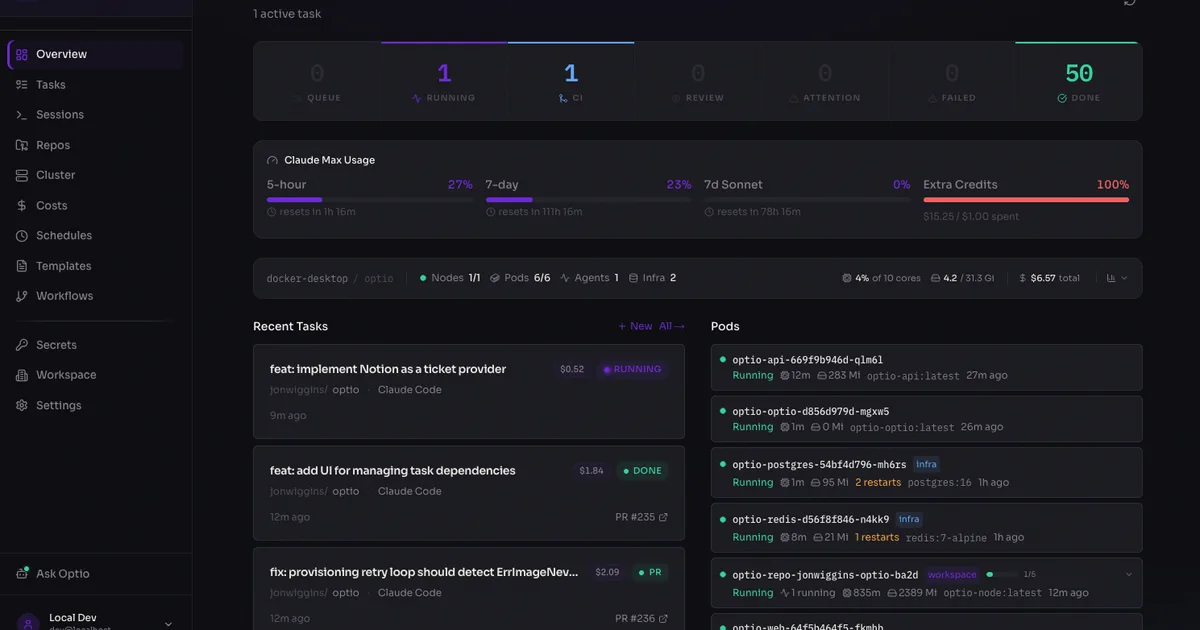
MIT-licensed self-hosted AI engineering platform that runs Claude Code, Codex, Copilot, Gemini, and OpenCode agents in Kubernetes from tickets to PRs.
Alternative Tools to Consider
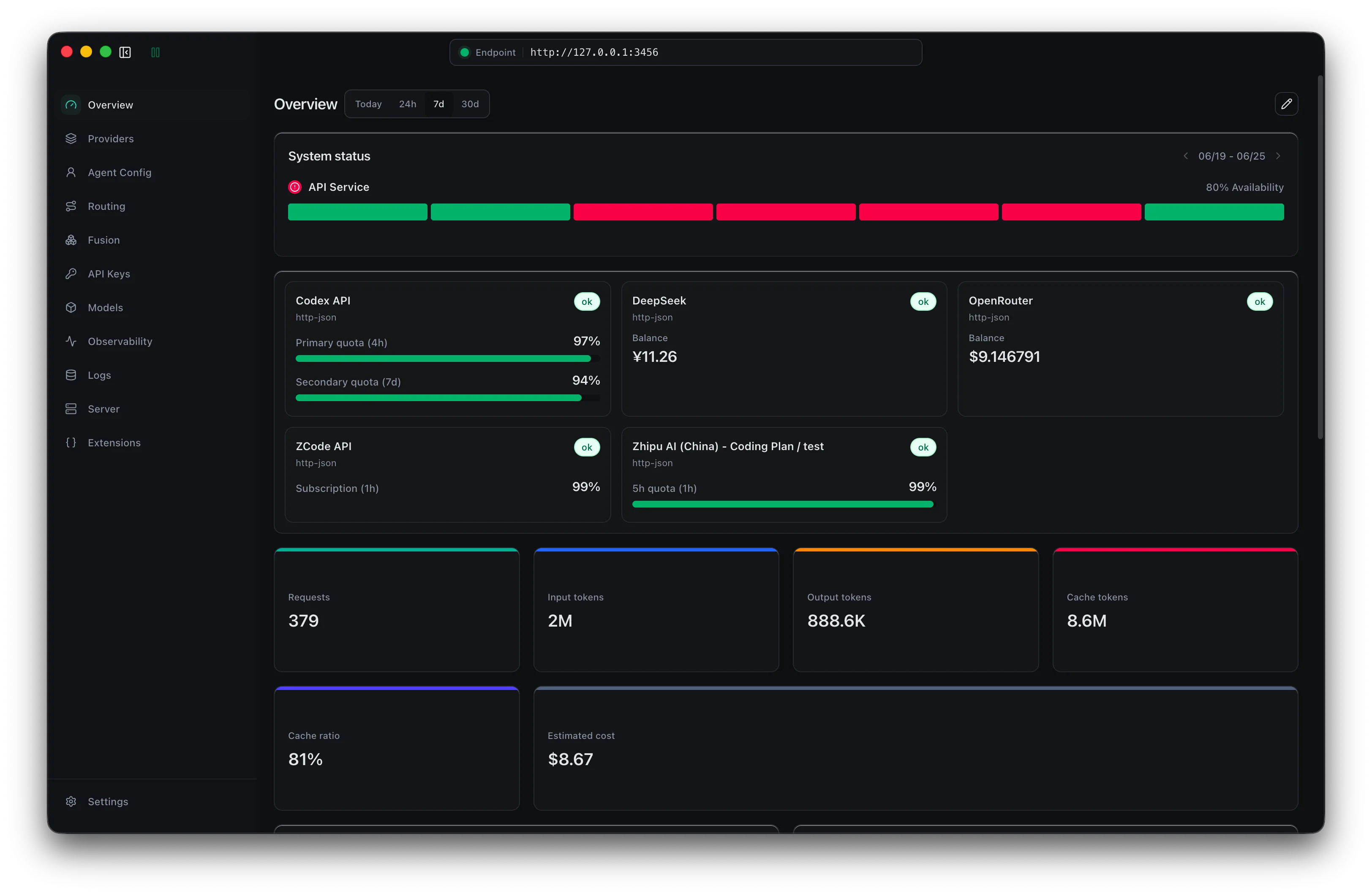
MIT-licensed local gateway and desktop control plane for routing Claude Code, Codex, Grok CLI, and compatible agents across model providers.
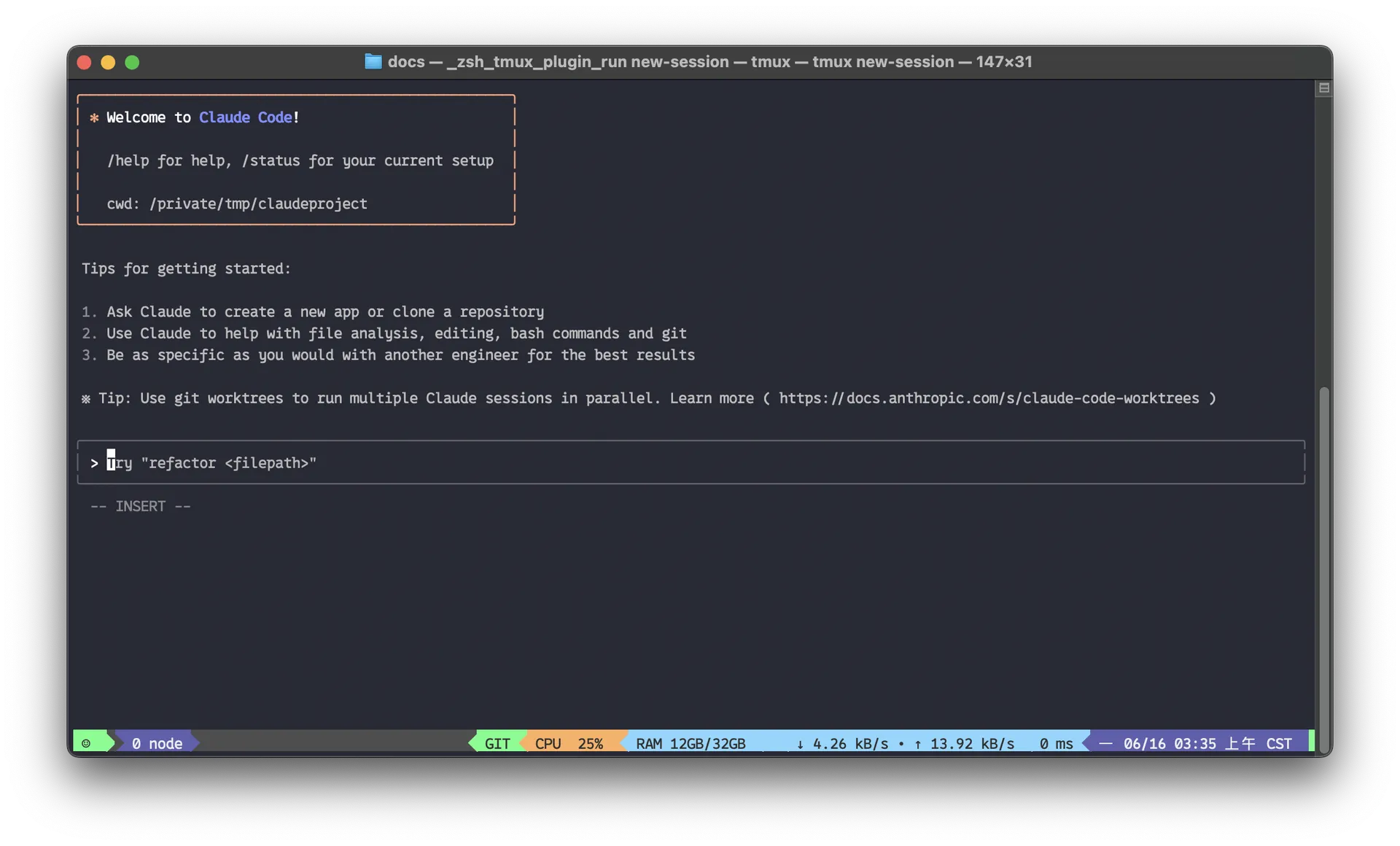
Anthropic’s agentic coding platform for terminal, IDE, desktop, web, CI, and code-review workflows.

Source-available VS Code and Cursor interface for Claude Code with checkpoints, inline diffs, history, permissions, and extension marketplaces.

Open-source terminal dashboard for tracking Claude Code token usage, burn rate, and predicted session cutoffs.
Cloud-executed AI software engineer that takes repository tasks from prompt to tested diff and pull request.
Google's asynchronous coding agent for GitHub repos, cloud-executed tasks, test runs, diff review, and PR creation.
Do one more comparison before you commit to Factory
Strong picks usually survive one more internal check. Read deeper, compare a neighbor, then leave for the vendor page if the fit still holds.