
Jules
Google's asynchronous coding agent for GitHub repos, cloud-executed tasks, test runs, diff review, and PR creation.
Do not bounce yet
Read the fit check, compare one alternative, then decide whether the vendor page is still your best next click.
Quick Verdict
Fast fit check before you leave the page
Make the fit call first. Vendor pages are good at selling, but they rarely tell you where the product is a bad match.
- Engineering teams triaging GitHub issues and repetitive maintenance tasks
- Founders or small teams who want async repo work without building their own agent infrastructure
- Developers comparing hosted coding agents with Claude Code, OpenAI Codex, and OpenHands
- There is no official open-source product repo, so you are trusting a proprietary hosted agent and Google roadmap decisions
- Pricing is not a simple standalone seat price because the higher tiers are bundled into Google AI subscription tiers and enforced via task limits
- Cloud-hosted execution can be awkward or impossible for sensitive private codebases with restrictive security requirements
Compare Next
Take one more internal step before the vendor pitch
This is where visitors usually jump out too early. Read one deeper take or open one alternative so the next click is informed instead of impulsive.
Alternative profile
Claude Code Router
MIT-licensed local gateway and desktop control plane for routing Claude Code, Codex, Grok CLI, and compatible agents across model providers.
Alternative profile
Claude Code
Anthropic’s agentic coding platform for terminal, IDE, desktop, web, CI, and code-review workflows.
Alternative profile
Claude Code Chat
Source-available VS Code and Cursor interface for Claude Code with checkpoints, inline diffs, history, permissions, and extension marketplaces.
Jules is Google's answer to the async coding-agent workflow: instead of keeping you trapped in a live chat session, it takes a repo task, clones the code into a cloud VM, plans the work, runs tests, prepares a diff, and opens a pull request. That makes it a different product shape from local CLI agents and browser-first app builders, and a serious addition to any vibe coding directory.
Jules is Google's asynchronous coding agent for real repository work, not another browser toy that spits out shallow code snippets. You point it at a GitHub repo or label an issue, it clones the code into a cloud VM, plans the work, runs tests, shows a diff for review, and opens a pull request. That makes it materially relevant to vibe coding and agentic coding workflows for teams that want async execution across multiple tasks instead of babysitting a chat box inside a local editor.
Why Choose Jules?
Choose Jules if you want GitHub-native async execution rather than another synchronous chat pane that still needs constant hand-holding.
Choose it when you care about issue-to-PR automation, reviewable diffs, and cloud-run task throughput more than terminal purity.
Choose it if you are evaluating whether a hosted agent can handle real backlog work more cleanly than local coding assistants.
Choose it when multi-task parallelism matters, because Jules explicitly exposes daily task and concurrency limits instead of pretending unlimited autonomy is free.
Key Features
Asynchronous repo tasks that clone code into a Google-hosted cloud VM instead of forcing all work to happen inside your local editor session
GitHub-native workflow with repo import, branch creation, issue-label assignment via the `jules` label, diff review, and pull-request handoff
Can run existing tests or generate new ones before proposing changes, which is more serious than pure prompt-to-code theater
Public web experience plus CLI and API access for builders who want Jules outside the browser UI
Tiered throughput model with introductory access plus higher daily task and concurrency limits for Google AI Pro and Ultra subscribers
Plan-first execution that shows intended file changes before asking you to review the generated diff
Pros & Cons
- Jules is one of the clearer examples of true async coding-agent workflow rather than a synchronous chat assistant pretending to be autonomous
- The GitHub issue-to-PR loop is materially useful for backlog work, small bug fixes, and parallel maintenance tasks
- Google has enough launch signal here to make the product defensible: strong HN discussion, official product docs, and public beta usage claims with real task volume
- Cloud execution and concurrency limits make more sense for multi-task throughput than chaining one local agent session after another
- There is no official open-source product repo, so you are trusting a proprietary hosted agent and Google roadmap decisions
- Pricing is not a simple standalone seat price because the higher tiers are bundled into Google AI subscription tiers and enforced via task limits
- Cloud-hosted execution can be awkward or impossible for sensitive private codebases with restrictive security requirements
- Like every coding agent, Jules still needs human review because a clean diff is not the same thing as correct product judgment
Detailed Use Cases for Jules
Use Jules when you want to assign contained engineering work directly from a GitHub issue, review the resulting diff, and merge a pull request instead of micromanaging every coding step live.
Jules fits teams that need multiple backlog tasks moving at once, because its product model explicitly supports concurrent async jobs instead of a single foreground chat session.
It is a strong candidate for teams testing whether cloud-executed agents with test runs and PR handoff outperform local-only coding workflows for repetitive repository chores.
Who Should Use Jules?
Engineering teams triaging GitHub issues and repetitive maintenance tasks
Founders or small teams who want async repo work without building their own agent infrastructure
Developers comparing hosted coding agents with Claude Code, OpenAI Codex, and OpenHands
Builders who care more about PR outcomes and throughput than about living full-time inside one IDE
Perfect For
Offloading repetitive GitHub issues, maintenance chores, and contained bug fixes without blocking your local editor workflow
Running multiple async coding tasks in parallel when a team wants throughput instead of one-agent-at-a-time babysitting
Reviewing concrete diffs and PRs for repo changes rather than relying on vague code suggestions in chat
Teams evaluating hosted async agents against local CLI tools like Claude Code, Codex, or OpenHands
Technical Details
Direct Competitors
OpenHands
Claude Code
OpenAI Codex
GitHub Copilot
Similar Tools You Might Like

Cloud-executed AI software engineer that takes repository tasks from prompt to tested diff and pull request.

Agent-native software development workspace for delegating refactors, migrations, incident response, and other repo tasks across IDE, CLI, browser, and chat.

Open-source visual code editor and early-access team workspace for designing directly in real React codebases with AI.
Alternative Tools to Consider
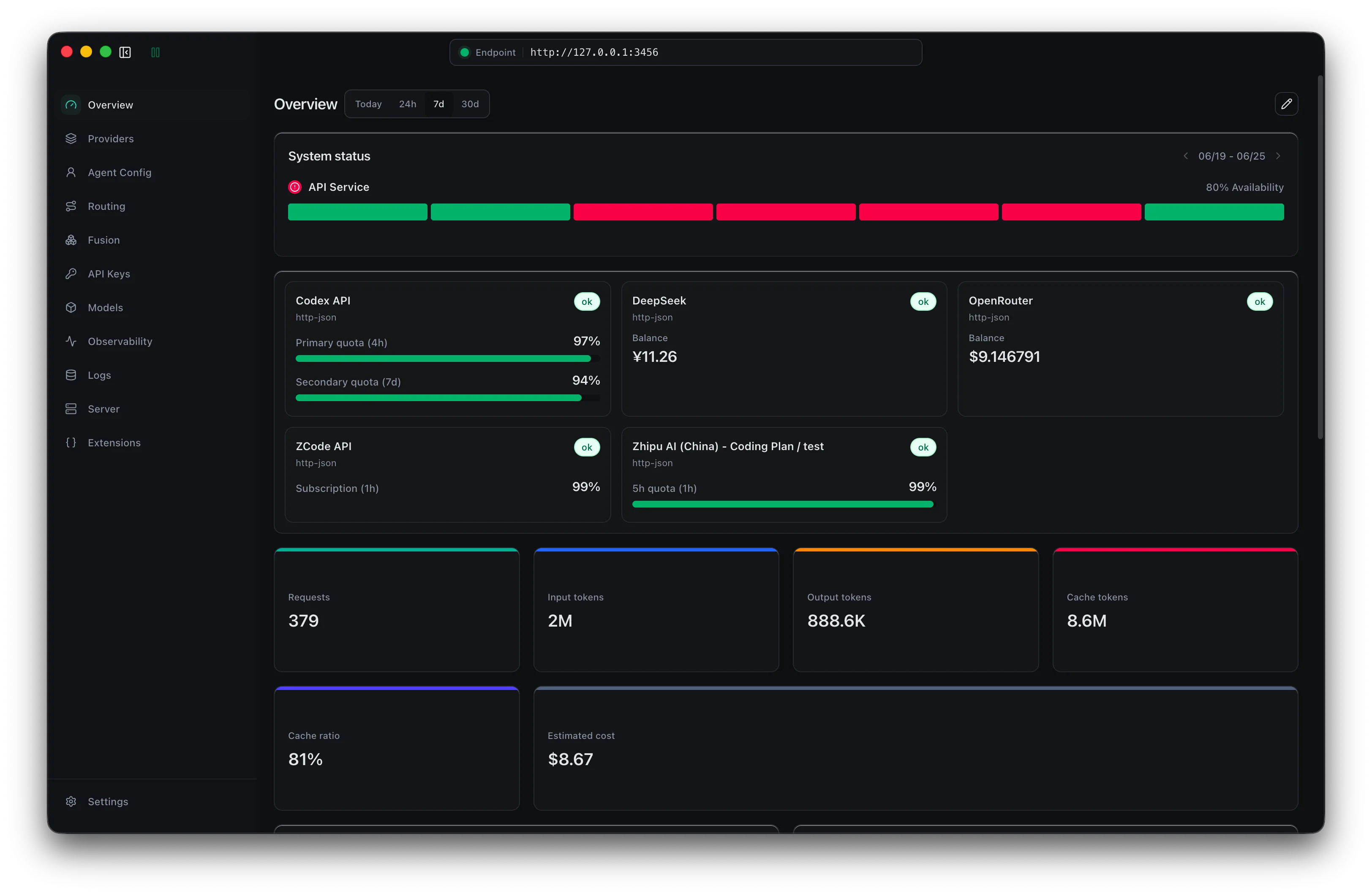
MIT-licensed local gateway and desktop control plane for routing Claude Code, Codex, Grok CLI, and compatible agents across model providers.
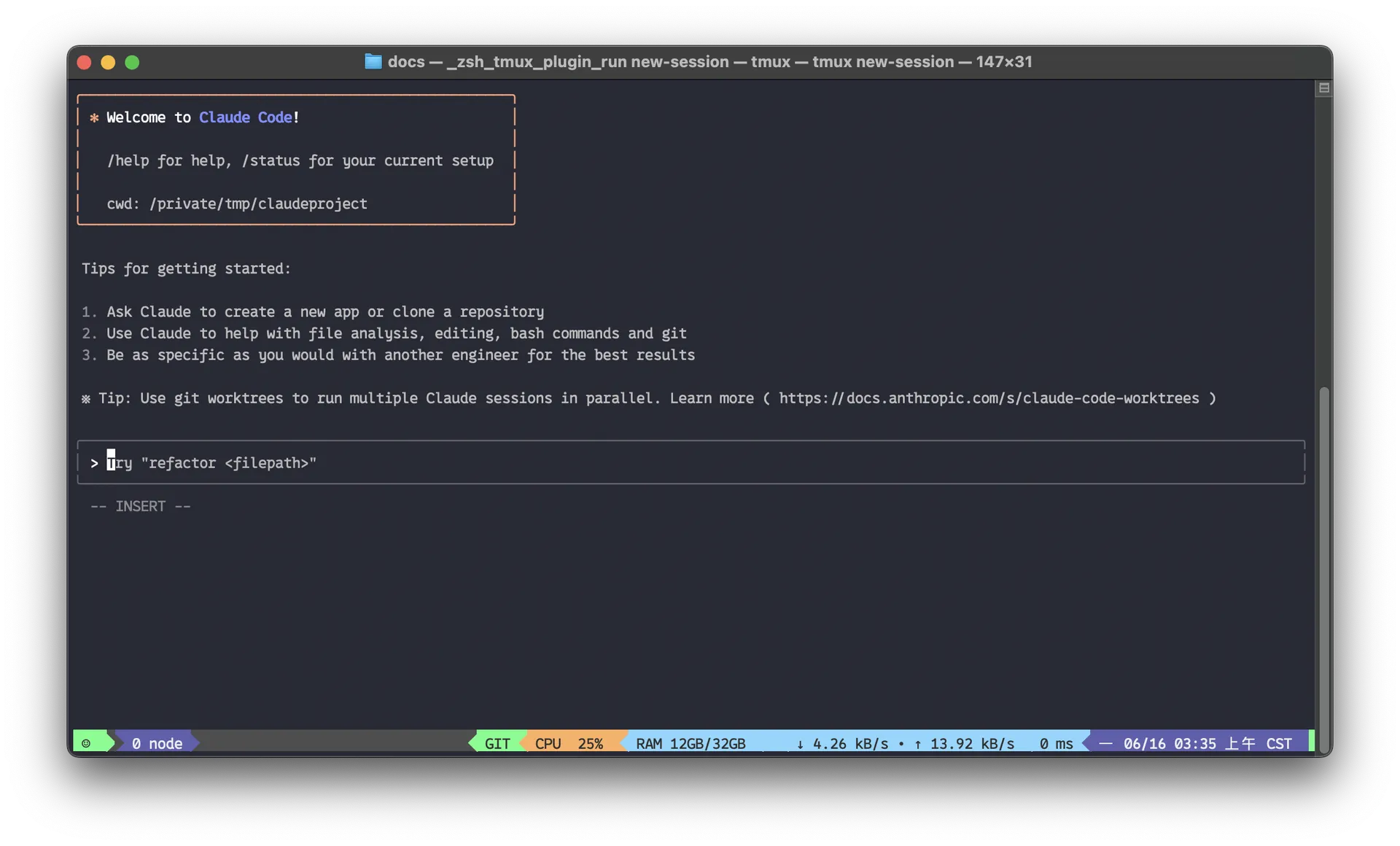
Anthropic’s agentic coding platform for terminal, IDE, desktop, web, CI, and code-review workflows.

Source-available VS Code and Cursor interface for Claude Code with checkpoints, inline diffs, history, permissions, and extension marketplaces.

Open-source terminal dashboard for tracking Claude Code token usage, burn rate, and predicted session cutoffs.

GitHub-native coding assistant spanning completion, agent workflows, code review, CLI, and desktop orchestration.

OpenAI's open-source agent harness for terminal coding, SDK automation, app-server integrations, IDE work, and cloud-assisted workflows.
Do one more comparison before you commit to Jules
Strong picks usually survive one more internal check. Read deeper, compare a neighbor, then leave for the vendor page if the fit still holds.