
OpenHands
Source-available coding agent platform with a web GUI, CLI, and SDK for running autonomous software tasks locally or in the cloud.
Do not bounce yet
Read the fit check, compare one alternative, then decide whether the vendor page is still your best next click.
Quick Verdict
Fast fit check before you leave the page
Make the fit call first. Vendor pages are good at selling, but they rarely tell you where the product is a bad match.
- Engineering teams evaluating serious coding-agent infrastructure rather than lightweight IDE chat add-ons
- Developers who want local or self-hosted control over autonomous coding workflows
- Platform teams that want to embed coding agents into APIs, internal tools, or review pipelines
- The licensing story is no longer cleanly open source across the whole repo, so buyers who care about license purity need to read the current LICENSE carefully
- Because OpenHands is built for real execution, teams still need operational discipline around permissions, sandboxing, secrets, and repo access
- Hosted usage can still incur model or provider cost even when the entry plan is free
Compare Next
Take one more internal step before the vendor pitch
This is where visitors usually jump out too early. Read one deeper take or open one alternative so the next click is informed instead of impulsive.
Alternative profile
Claude Code Router
MIT-licensed local gateway and desktop control plane for routing Claude Code, Codex, Grok CLI, and compatible agents across model providers.
Alternative profile
Claude Code
Anthropic’s agentic coding platform for terminal, IDE, desktop, web, CI, and code-review workflows.
Alternative profile
Claude Code Chat
Source-available VS Code and Cursor interface for Claude Code with checkpoints, inline diffs, history, permissions, and extension marketplaces.
OpenHands is one of the few agentic coding products that actually deserves to be evaluated as infrastructure rather than as a flashy wrapper. It supports web, CLI, and SDK workflows; it can run locally, self-hosted, or in the cloud; and it is explicitly built for execution-heavy software tasks such as PR generation, test fixing, and code review follow-up.
OpenHands is a serious agentic coding platform for teams that want more than IDE autocomplete or a thin chat wrapper. It offers a web GUI, terminal CLI, and SDK for delegating software tasks, running them in controlled sandboxes, and routing work through local, self-hosted, or cloud deployments. That matters for vibe coding because OpenHands is built around real execution workflows such as generating PRs, fixing tests, handling code review follow-up, and scaling parallel agent runs instead of pretending a single chat box is enough for production engineering work.
Why Choose OpenHands?
OpenHands is built for real software-task execution, which makes it more relevant to serious agentic coding than simple autocomplete or prompt-to-file tools.
The product spans web GUI, terminal CLI, and SDK workflows, so teams can adopt it interactively or embed it in automation.
Local, self-hosted, and cloud deployment paths give teams more control than browser-only black-box builders.
Its GitHub traction and multiple HN discussions show category-level relevance, not just launch-week hype.
Key Features
Web GUI, terminal CLI, and SDK surfaces instead of forcing every workflow through one editor plugin or one chat window
Sandboxed runtime model with local, self-hosted, and cloud deployment paths for teams that care about control and auditability
Built for execution-heavy engineering work such as PR generation, test fixing, code review follow-up, and issue triage
Model-agnostic and integration-friendly positioning with GitHub, GitLab, Slack, API, and SDK entry points on the official site
Can scale from a single developer running locally to larger organizations orchestrating many parallel coding-agent runs
Strong market traction and active repository velocity, which separates it from disposable launch-week wrappers
Pros & Cons
- OpenHands is materially more serious than most vibe-coding tools because it is built around repeatable software-task execution, not just prompt-to-snippet generation
- Multiple access modes matter: web, CLI, and SDK make it easier to fit different teams and automation styles
- Local and self-hosted deployment paths are useful for teams that care about privacy, compliance, or keeping agents close to their repos
- The product has enough open-source and Hacker News traction to count as a category reference point rather than a novelty project
- The licensing story is no longer cleanly open source across the whole repo, so buyers who care about license purity need to read the current LICENSE carefully
- Because OpenHands is built for real execution, teams still need operational discipline around permissions, sandboxing, secrets, and repo access
- Hosted usage can still incur model or provider cost even when the entry plan is free
- The breadth of product surfaces and deployment options makes evaluation more complex than testing a simple IDE extension
Detailed Use Cases for OpenHands
Use OpenHands to summarize pull requests, apply feedback, fix failing tests, and generate reviewable changes instead of only producing isolated code suggestions.
Teams that care about privacy, compliance, or operational control can run OpenHands locally or self-host it instead of routing everything through a closed hosted IDE.
The SDK and API make OpenHands relevant for platform teams that want coding agents inside internal tools, ticket workflows, or automated engineering pipelines.
Who Should Use OpenHands?
Engineering teams evaluating serious coding-agent infrastructure rather than lightweight IDE chat add-ons
Developers who want local or self-hosted control over autonomous coding workflows
Platform teams that want to embed coding agents into APIs, internal tools, or review pipelines
Builders comparing OpenHands against Claude Code, Goose, OpenCode, Devin, and other agentic coding products
Perfect For
Generate and iterate on pull requests for real engineering tasks instead of only drafting code snippets
Run local or self-hosted coding agents when privacy, auditability, or custom infrastructure matter
Automate review follow-up, test fixing, and issue triage across engineering workflows
Embed agentic coding into internal tools or pipelines through the SDK and API rather than keeping it manual
Technical Details
Direct Competitors
Claude Code
OpenCode
Goose
Devin
Similar Tools You Might Like
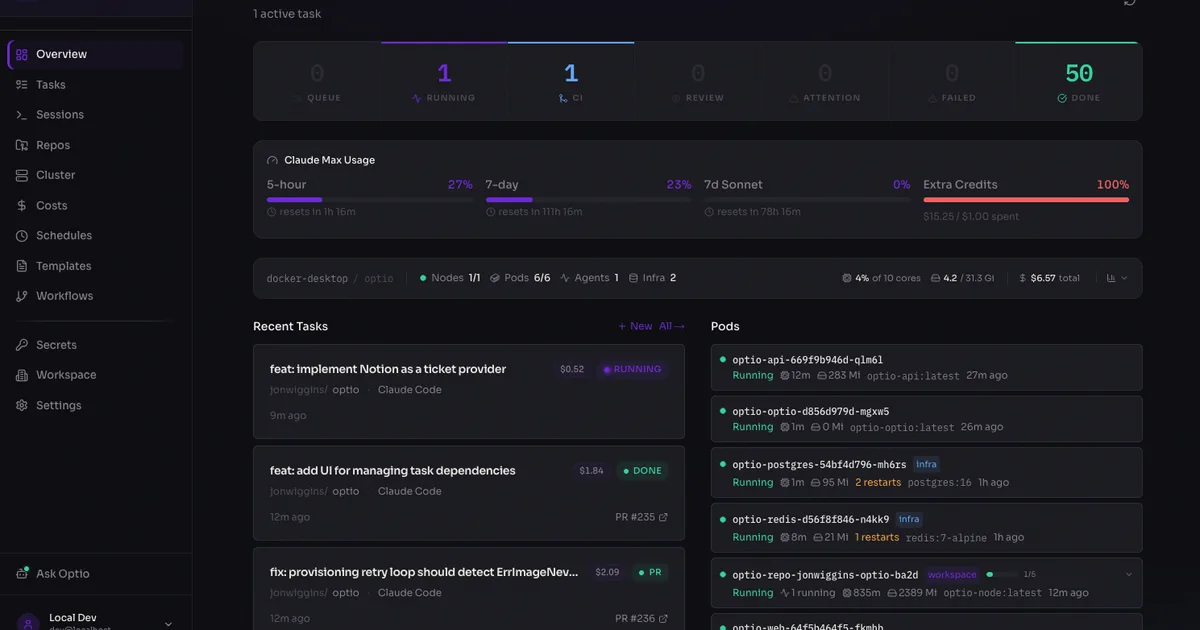
MIT-licensed self-hosted AI engineering platform that runs Claude Code, Codex, Copilot, Gemini, and OpenCode agents in Kubernetes from tickets to PRs.

Agent-native software development workspace for delegating refactors, migrations, incident response, and other repo tasks across IDE, CLI, browser, and chat.

Self-hosted cross-device control layer for Claude Code, Codex, Copilot, OpenCode, and Pi across web, desktop, mobile, and CLI.
Alternative Tools to Consider
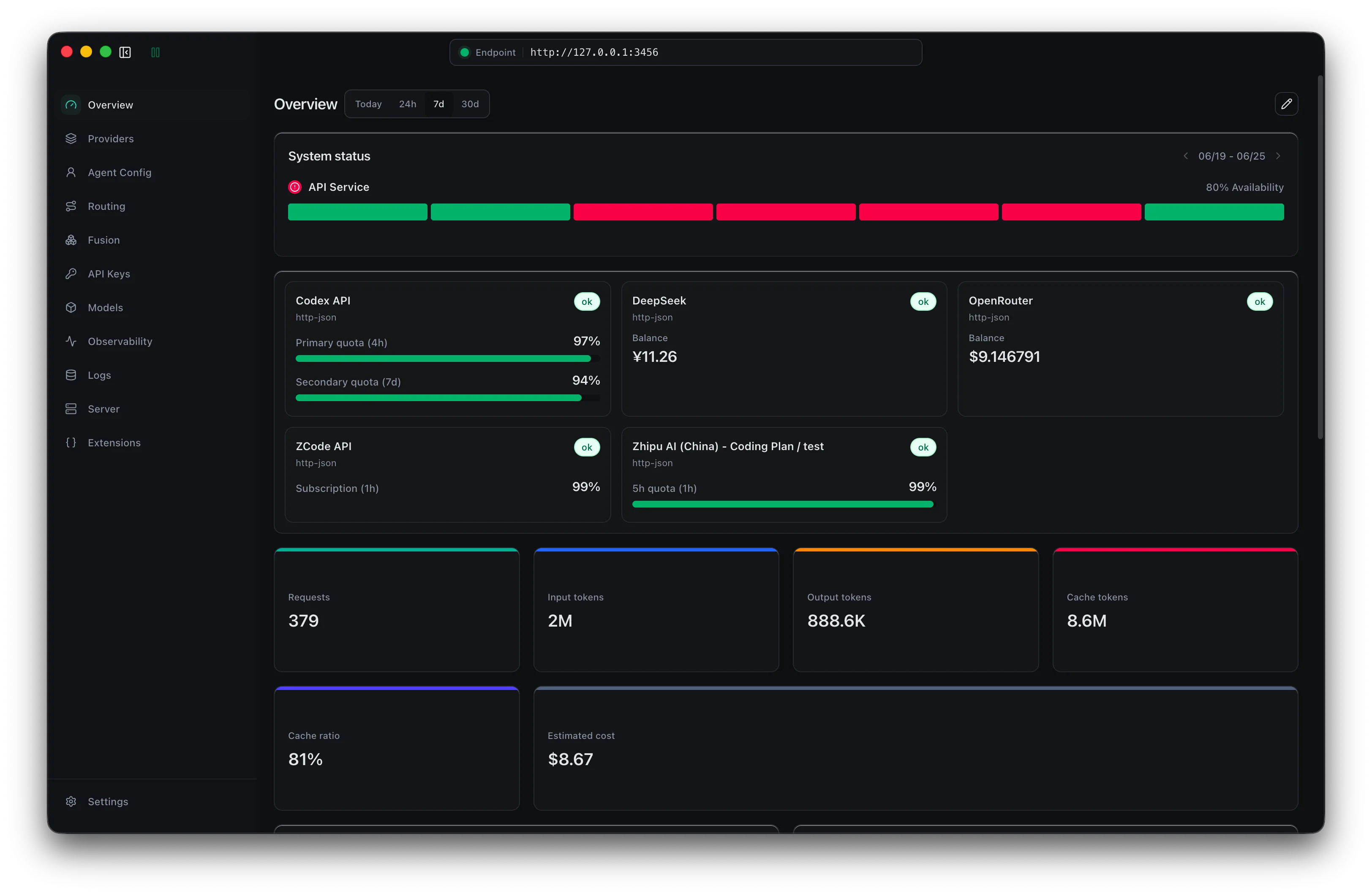
MIT-licensed local gateway and desktop control plane for routing Claude Code, Codex, Grok CLI, and compatible agents across model providers.
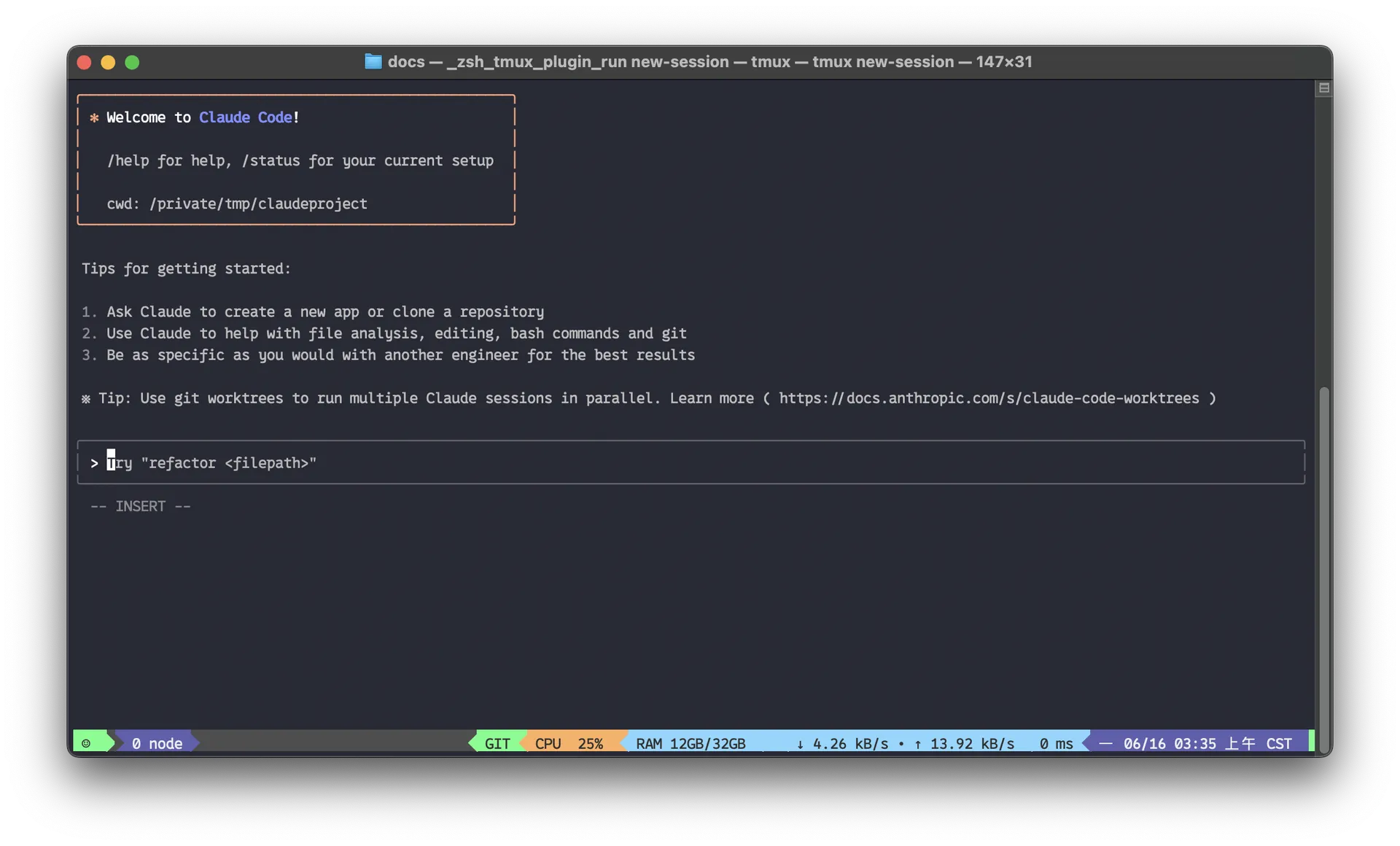
Anthropic’s agentic coding platform for terminal, IDE, desktop, web, CI, and code-review workflows.

Source-available VS Code and Cursor interface for Claude Code with checkpoints, inline diffs, history, permissions, and extension marketplaces.

Open-source terminal dashboard for tracking Claude Code token usage, burn rate, and predicted session cutoffs.

Cloud-executed AI software engineer that takes repository tasks from prompt to tested diff and pull request.

Open-source local AI agent from the Agentic AI Foundation with CLI, desktop, and API workflows plus MCP extensibility.
Do one more comparison before you commit to OpenHands
Strong picks usually survive one more internal check. Read deeper, compare a neighbor, then leave for the vendor page if the fit still holds.