
Packmind
Engineering playbook platform that turns team standards into context, guardrails, and governance for AI coding agents.
Do not bounce yet
Read the fit check, compare one alternative, then decide whether the vendor page is still your best next click.
Quick Verdict
Fast fit check before you leave the page
Make the fit call first. Vendor pages are good at selling, but they rarely tell you where the product is a bad match.
- Engineering teams using multiple AI coding assistants across shared repositories
- Tech leads who want AI-generated code to follow internal standards more reliably
- Platform or enablement teams building a reusable engineering playbook for developers and agents
- This is governance and context infrastructure, not a direct code-generation tool, so solo developers may find it heavier than they need.
- The product spans OSS, hosted, and enterprise modes, which means buyers need to read carefully to understand what is included in each path.
- Traction is still small versus top-tier coding tools, so ecosystem depth and community playbooks are earlier-stage.
Compare Next
Take one more internal step before the vendor pitch
This is where visitors usually jump out too early. Read one deeper take or open one alternative so the next click is informed instead of impulsive.
Alternative profile
Context7
Documentation context layer that feeds up-to-date, version-specific library docs and code snippets into Cursor, Claude, and other coding agents.
Alternative profile
Mem0
Universal memory layer for AI agents that adds persistent context, retrieval, and personalization to coding workflows.
Alternative profile
Spec Kit
GitHub's MIT-licensed toolkit for turning requirements into specs, plans, tasks, and implementation workflows across 30+ AI coding agents.
Packmind is a context-engineering and governance layer for teams that already use AI coding assistants and are tired of drift. Instead of competing head-on with Cursor, Claude Code, or GitHub Copilot, it captures your engineering playbook and distributes those standards across agents, repos, and workflows so AI-generated code follows your rules more consistently.
Packmind is one of the cleaner additions to a vibe-coding directory because it solves a real multi-agent failure mode instead of pretending to be another magical code generator. It captures engineering standards, prompts, and team conventions, then distributes that playbook across tools like GitHub Copilot, Cursor, and Claude Code through a web app, CLI, and MCP workflow. For teams using AI to write more code but struggling with drift, inconsistent instructions, and review drag, that is a real operational layer rather than marketing fluff.
Why Choose Packmind?
Most AI coding stacks break down on consistency, not on raw code generation quality. Packmind is interesting because it targets that exact failure mode: different agents following different instructions across time and repos.
The product is more credible than many agent wrappers because it combines an open-source repository, a usable cloud onboarding flow, MCP support, and self-hosted deployment paths.
Teams with real review drag can use Packmind to turn architecture rules, naming conventions, ADRs, and PR lessons into reusable AI context instead of leaving them buried in docs and human memory.
If your organization wants AI coding without surrendering governance, Packmind is a better fit than buying yet another editor and hoping people magically follow standards.
Key Features
Turns scattered engineering decisions, standards, prompts, and commands into a versioned playbook for AI coding agents.
Distributes that playbook across repos and assistants through Packmind Cloud, self-hosting, CLI initialization, and MCP access.
Supports AI-agent onboarding flows such as packmind-cli init and /packmind-onboard to extract standards from an existing codebase.
Targets context drift directly by governing what rules apply where and by helping teams detect or repair misalignment during reviews and CI workflows.
Works with mainstream AI coding surfaces including GitHub Copilot, Cursor, and Claude Code instead of forcing teams onto another editor.
Offers enterprise deployment paths with self-hosting, air-gapped options, preferred LLMs, and compliance-oriented positioning.
Pros & Cons
- Solves a real coordination problem for multi-agent teams: keeping coding instructions consistent across repos, agents, and time.
- Much more defensible than a thin wrapper because the product sits in the workflow layer between team standards and agent execution.
- Open-source Apache-2.0 core plus self-hosting gives it more trust and control than governance tooling that only exists as closed SaaS.
- Free cloud onboarding lowers evaluation friction for teams that want to test context engineering without committing to a big rollout.
- This is governance and context infrastructure, not a direct code-generation tool, so solo developers may find it heavier than they need.
- The product spans OSS, hosted, and enterprise modes, which means buyers need to read carefully to understand what is included in each path.
- Traction is still small versus top-tier coding tools, so ecosystem depth and community playbooks are earlier-stage.
- Value depends on already using AI coding assistants enough to feel standards drift, review drag, or context fragmentation.
Detailed Use Cases for Packmind
Use Packmind to keep engineering standards synchronized across agents like GitHub Copilot, Cursor, and Claude Code so instructions do not fragment by tool or repository.
Turn ADRs, code review feedback, naming conventions, and internal best practices into structured AI-ready rules, prompts, and commands.
Apply guardrails before or during review workflows so AI-generated code is less likely to violate architecture expectations or house style.
Adopt AI coding across multiple teams with more control by combining governance, visibility, self-hosting, and deployment options that fit enterprise environments.
Who Should Use Packmind?
Engineering teams using multiple AI coding assistants across shared repositories
Tech leads who want AI-generated code to follow internal standards more reliably
Platform or enablement teams building a reusable engineering playbook for developers and agents
Security-conscious organizations that prefer self-hosting, governance controls, or enterprise deployment options
Perfect For
Standardizing instructions and rules across GitHub Copilot, Cursor, Claude Code, and similar AI coding assistants.
Turning ADRs, PR feedback, internal docs, and team conventions into reusable AI-ready engineering standards.
Reducing review rework by catching when AI-generated code drifts away from agreed architecture, naming, or workflow rules.
Self-hosting an engineering playbook layer for teams that need tighter governance, deployment control, or compliance posture.
Technical Details
Direct Competitors
Context7
Mem0
Spec Kit
SuperClaude
Similar Tools You Might Like
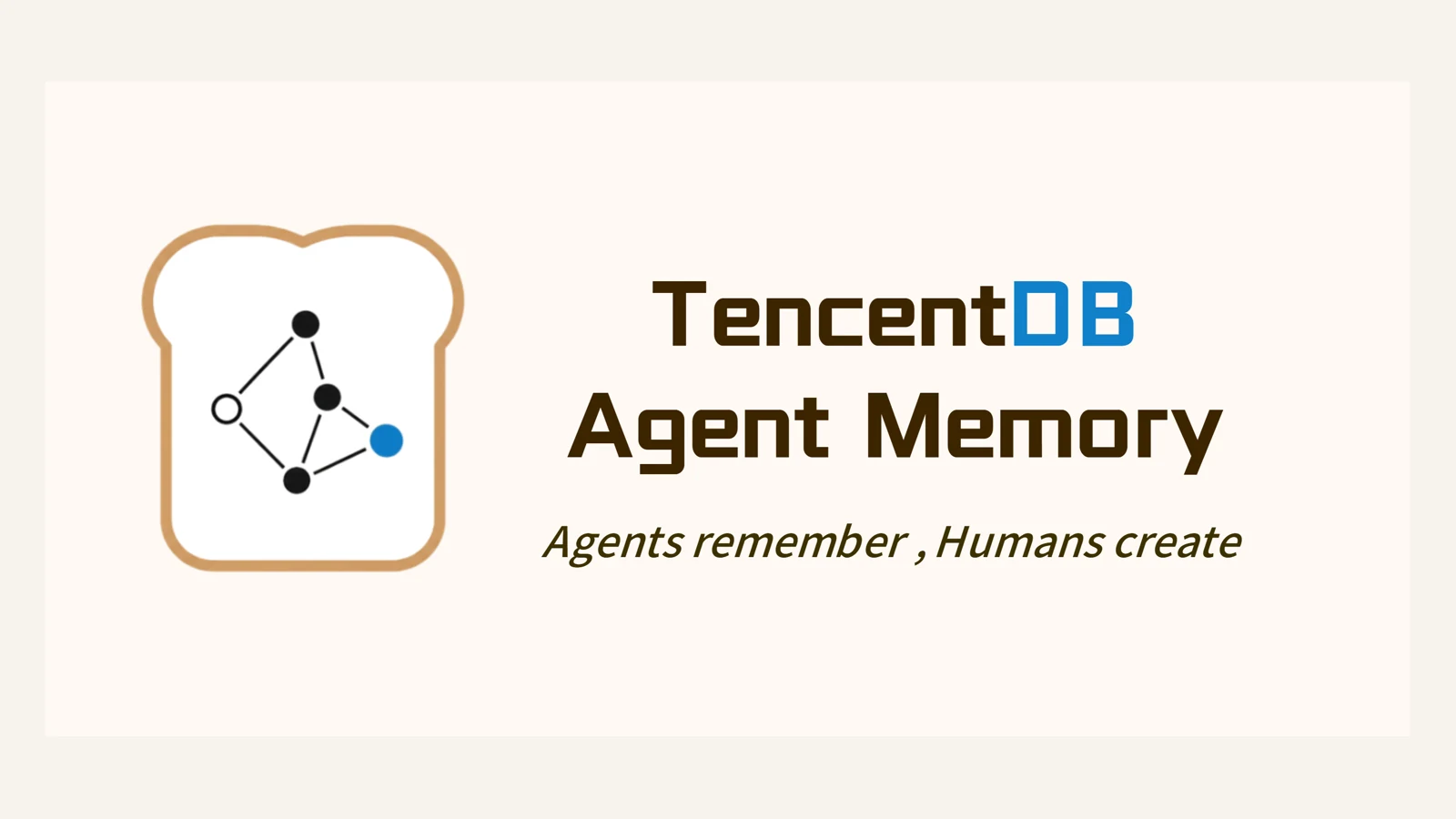
MIT-licensed team memory hub that turns agent conversations, documents, and code into governed Chat Memory, Skills, Wiki, and CodeGraph assets.
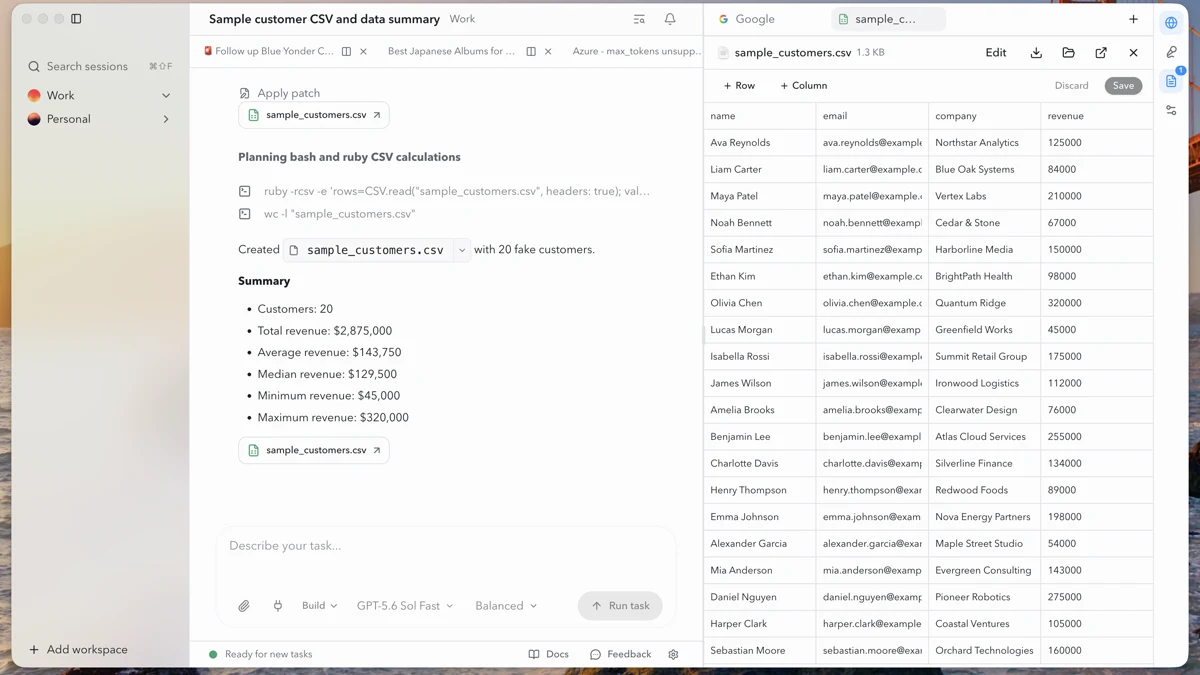
Open-source desktop workspace and MCP control plane for sharing agent skills, plugins, connected services, and repeatable AI workflows across coding tools and teams.
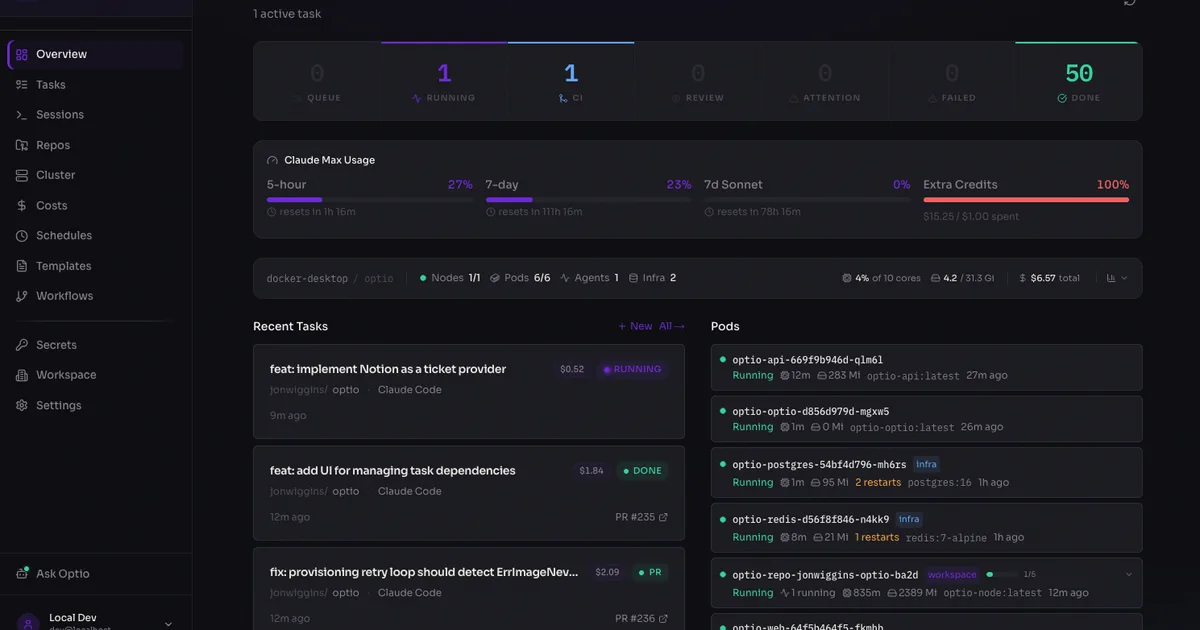
MIT-licensed self-hosted AI engineering platform that runs Claude Code, Codex, Copilot, Gemini, and OpenCode agents in Kubernetes from tickets to PRs.
Alternative Tools to Consider

Documentation context layer that feeds up-to-date, version-specific library docs and code snippets into Cursor, Claude, and other coding agents.

Universal memory layer for AI agents that adds persistent context, retrieval, and personalization to coding workflows.

GitHub's MIT-licensed toolkit for turning requirements into specs, plans, tasks, and implementation workflows across 30+ AI coding agents.

MIT-licensed configuration framework that adds structured slash commands, agents, behavioral modes, and optional MCP integrations to Claude Code.
Do one more comparison before you commit to Packmind
Strong picks usually survive one more internal check. Read deeper, compare a neighbor, then leave for the vendor page if the fit still holds.