
Mistle
Open-source platform for running and automating sandboxed coding agents with credential-brokered integrations and snapshot-based sessions.
Do not bounce yet
Read the fit check, compare one alternative, then decide whether the vendor page is still your best next click.
Quick Verdict
Fast fit check before you leave the page
Make the fit call first. Vendor pages are good at selling, but they rarely tell you where the product is a bad match.
- Platform and infrastructure teams building internal coding-agent execution layers
- Developers who want open-source sandbox orchestration instead of a sealed hosted agent product
- Organizations that care about credential isolation, runtime policy, and repeatable agent environments
- Still an early project with limited public traction and a current policy of not accepting external code contributions yet
- Self-hosted setup is heavier than trying an IDE plugin or a single local CLI coding agent
- Mistle is infrastructure for agent execution, not an out-of-the-box beginner assistant with instant product polish
Compare Next
Take one more internal step before the vendor pitch
This is where visitors usually jump out too early. Read one deeper take or open one alternative so the next click is informed instead of impulsive.
Alternative profile
Agent of Empires
Open-source terminal and web session manager for running multiple AI coding agents across isolated git worktrees and sandboxes.
Alternative profile
Devin
Cloud-executed AI software engineer that takes repository tasks from prompt to tested diff and pull request.
Alternative profile
Open SWE
Open-source asynchronous coding-agent framework for turning issues and threads into sandboxed engineering runs and reviewable pull requests.
Mistle is an open-source platform for running and automating sandboxed coding agents. The interesting part is not that it can start a session; plenty of tools can do that. The interesting part is that Mistle is built like infrastructure: sandbox profiles, snapshots, control-plane and data-plane separation, integration wiring, and a security model that keeps credentials out of the sandbox by default.
Mistle is not another IDE chat skin. It is an open-source control plane for teams that want to run coding agents inside isolated sandboxes, wire them to systems like GitHub and Slack, prebuild reusable environments, and automate session creation from external events. The architecture matters: Mistle separates control plane from data plane, supports Docker or remote sandboxes, keeps credentials out of the sandbox by brokering authorized requests through a gateway, and treats sessions as first-class runtime objects. That makes it directly relevant to serious agentic coding workflows where execution isolation, repeatable environments, and automation matter more than one more autocomplete pane.
Why Choose Mistle?
Choose Mistle when sandbox isolation and integration control matter more than having one more chat window inside an editor.
Its credential-brokering model is more defensible than throwing GitHub or Slack tokens directly into agent environments and hoping nothing stupid happens.
Snapshots and prepared sandbox profiles are useful for teams that want repeatable agent environments instead of redoing setup every run.
Because it is MIT-licensed and architecture-heavy, Mistle is easier to inspect and adapt than closed async-agent platforms.
Key Features
Sandboxed coding-agent sessions that can run on local Docker containers or remote providers like E2B
Credentialless sandbox design where outbound requests are mediated and authorized through a gateway instead of dumping secrets into agent environments
Snapshot-based environment preparation so recurring sessions can start with tools, dependencies, and configuration already in place
Integrations, identity attribution, and event-driven automations for systems such as GitHub, Slack, and model providers
Explicit control-plane and data-plane split for session lifecycle, tunnels, runtime state, and managed egress
Local Docker install path plus a web dashboard for configuring sessions, automations, and sandbox profiles
Pros & Cons
- Directly attacks a real agentic-coding pain point: isolation plus usable access to external systems without handing the sandbox raw credentials
- MIT-licensed open-source architecture is much more inspectable than black-box async agent products with the same ambitions
- Sandboxes, snapshots, and automations make it feel like infrastructure for serious engineering workflows rather than another prompt wrapper
- Flexible bring-your-own-agent posture is useful for teams that do not want one vendor deciding the entire harness layer
- Still an early project with limited public traction and a current policy of not accepting external code contributions yet
- Self-hosted setup is heavier than trying an IDE plugin or a single local CLI coding agent
- Mistle is infrastructure for agent execution, not an out-of-the-box beginner assistant with instant product polish
- License cost is zero, but real deployment cost moves into Docker or remote sandboxes, model APIs, and operational overhead
Detailed Use Cases for Mistle
Use Mistle when your main problem is not code generation quality but how to run agents with isolation, lifecycle control, and tightly scoped access to upstream systems.
Snapshot-based setup is useful for engineering teams that want repeatable sessions with dependencies, tools, and runtime policy already prepared instead of rebuilding the environment every time.
Mistle fits workflows where GitHub or other external events should trigger a controlled agent session rather than relying on a human to manually paste tasks into a CLI.
If you are evaluating how to run sandboxed coding agents at all, Mistle is worth comparing against OpenHands and Open SWE because it focuses on the execution substrate rather than pretending the harness and memory stack are the same problem.
Who Should Use Mistle?
Platform and infrastructure teams building internal coding-agent execution layers
Developers who want open-source sandbox orchestration instead of a sealed hosted agent product
Organizations that care about credential isolation, runtime policy, and repeatable agent environments
Builders comparing Mistle against OpenHands, Open SWE, and other serious agent-execution stacks
Perfect For
Run sandboxed coding-agent sessions against repositories with controlled access to GitHub, Slack, and model backends
Automate webhook-driven engineering tasks using prepared sandbox profiles, snapshots, and runtime policies
Evaluate open-source alternatives to internal agent platforms built around secure execution and session management
Give platform teams a reusable control plane for agent environments instead of improvising bespoke scripts per repository
Technical Details
Direct Competitors
OpenHands
Open SWE
Agent of Empires
Devin
Similar Tools You Might Like
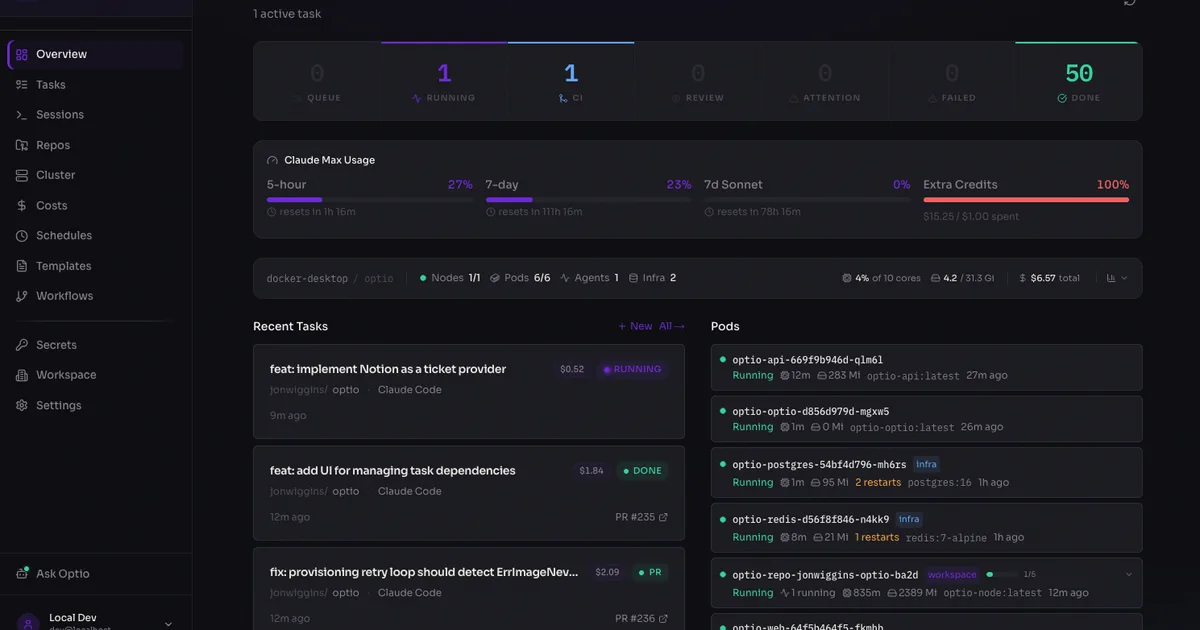
MIT-licensed self-hosted AI engineering platform that runs Claude Code, Codex, Copilot, Gemini, and OpenCode agents in Kubernetes from tickets to PRs.
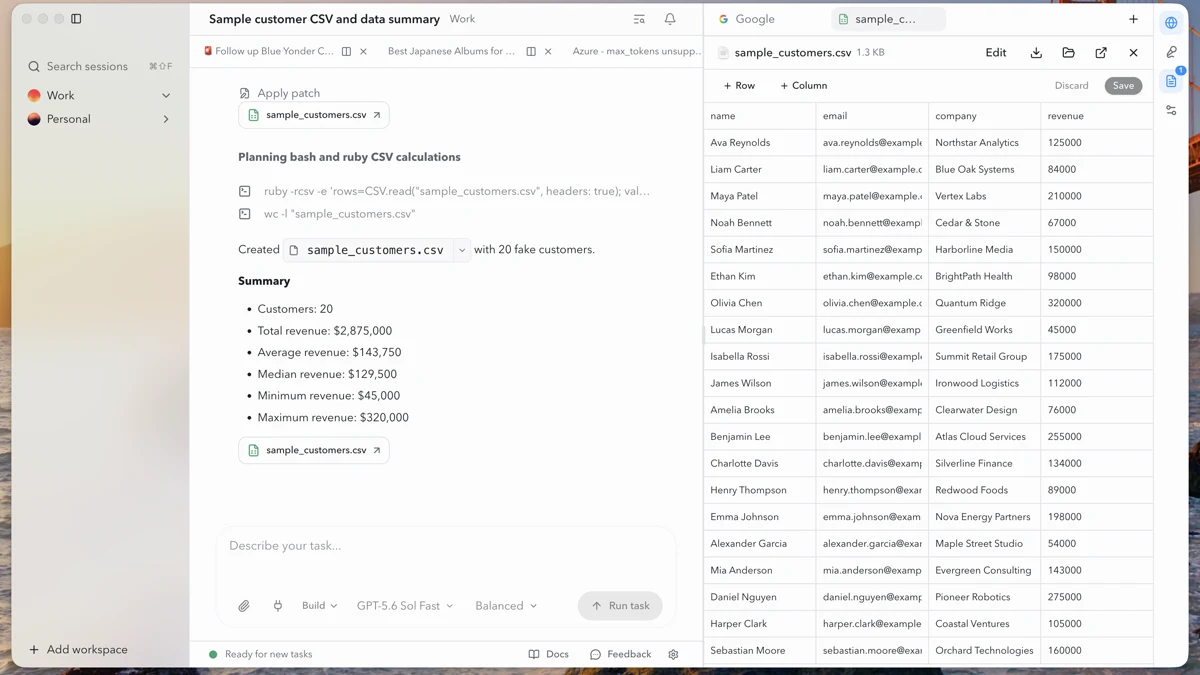
Open-source desktop workspace and MCP control plane for sharing agent skills, plugins, connected services, and repeatable AI workflows across coding tools and teams.

Bolt.new is a browser-based AI app builder that can prompt, run, edit, and deploy full-stack web apps without local setup.
Alternative Tools to Consider

Open-source terminal and web session manager for running multiple AI coding agents across isolated git worktrees and sandboxes.

Cloud-executed AI software engineer that takes repository tasks from prompt to tested diff and pull request.

Open-source asynchronous coding-agent framework for turning issues and threads into sandboxed engineering runs and reviewable pull requests.

Source-available coding agent platform with a web GUI, CLI, and SDK for running autonomous software tasks locally or in the cloud.

Minimal terminal coding harness with extensions, skills, tree-structured sessions, and serious multi-provider model support.
Do one more comparison before you commit to Mistle
Strong picks usually survive one more internal check. Read deeper, compare a neighbor, then leave for the vendor page if the fit still holds.