
Spec Kit
GitHub's MIT-licensed toolkit for turning requirements into specs, plans, tasks, and implementation workflows across 30+ AI coding agents.
Do not bounce yet
Read the fit check, compare one alternative, then decide whether the vendor page is still your best next click.
Quick Verdict
Fast fit check before you leave the page
Make the fit call first. Vendor pages are good at selling, but they rarely tell you where the product is a bad match.
- Developers who want vibe-coding speed with explicit requirements, plans, and completion criteria
- Teams standardizing workflows across several AI coding agents
- Technical leads modernizing existing repositories where ad-hoc prompts create drift
- Adds more ceremony and generated artifacts than freeform agent chats
- Weak or stale specifications can make the workflow confidently execute the wrong plan
- Community extensions, presets, and bundles are independently maintained and must be reviewed before installation
Compare Next
Take one more internal step before the vendor pitch
This is where visitors usually jump out too early. Read one deeper take or open one alternative so the next click is informed instead of impulsive.
Alternative profile
AWS Kiro
Spec-driven AI IDE and CLI from AWS that turns prompts into requirements, tasks, and production-oriented implementation workflows.
Alternative profile
Claude Code
Anthropic’s agentic coding platform for terminal, IDE, desktop, web, CI, and code-review workflows.
Alternative profile
OpenSpec
Open-source spec-driven framework that adds lightweight proposal, design, task, and archive workflows to modern coding agents.
Spec Kit is GitHub's process layer for a real agent-coding failure mode: fast implementation is not useful when requirements, architecture decisions, and completion criteria are vague. Its Specify CLI turns intent into a chain of project principles, specifications, plans, tasks, consistency checks, and implementation instructions, then lets teams extend that chain across many coding agents with shared presets, extensions, workflows, and bundles.
Spec Kit is GitHub's open-source toolkit for Spec-Driven Development. Its Specify CLI installs a structured path from project principles and requirements through planning, task generation, consistency checks, and agent-led implementation. The current ecosystem supports 30+ coding-agent integrations plus extensions, presets, workflows, and role-oriented bundles, so teams can standardize an inspectable process without locking every developer to one agent. It is deliberately heavier than one-shot vibe coding, and its quality still depends on accurate specifications, reviewed community components, deterministic tests, and human judgment.
Why Choose Spec Kit?
Choose Spec Kit when you need a repeatable requirements-to-implementation workflow rather than another freeform prompt template.
Its 30+ documented integrations make the process portable across terminal agents and IDE assistants instead of tying project artifacts to one vendor.
Extensions, stackable presets, project overrides, workflows, and role-based bundles give teams several levels of customization without forking the core CLI.
Treat the process as scaffolding, not proof of correctness: inaccurate specs and unreviewed community components can still produce bad code efficiently.
Key Features
Specify CLI for installing, initializing, checking, and upgrading spec-driven projects
Core constitution, specification, planning, task-generation, analysis, checklist, implementation, convergence, and task-to-issues workflows
More than 30 documented integrations spanning terminal agents and IDE-based coding assistants
Skills-mode installation for compatible agents alongside traditional slash-command prompt files
Extension system for additional commands, integrations, quality gates, and domain workflows
Stackable presets and project-local overrides for templates, terminology, and organizational standards
Role-oriented bundles that package pinned extensions, presets, steps, and workflows
Cross-platform Python CLI with uv or pipx installation and an MIT-licensed codebase
Pros & Cons
- Creates an explicit, reviewable path from intent to implementation instead of relying on one-shot prompts
- Broad agent compatibility helps teams standardize process without choosing one coding-agent vendor
- Extensions, presets, workflows, and bundles support substantial customization without forking the core
- High repository activity and a large public community make the ecosystem unusually inspectable
- Adds more ceremony and generated artifacts than freeform agent chats
- Weak or stale specifications can make the workflow confidently execute the wrong plan
- Community extensions, presets, and bundles are independently maintained and must be reviewed before installation
- The CLI is free, but the coding agents, model calls, CI, and infrastructure it coordinates can still cost money
Detailed Use Cases for Spec Kit
Use Spec Kit to establish project principles, capture requirements, choose an architecture, generate tasks, and define a reviewable implementation path before an agent edits the codebase.
Keep feature intent, implementation plans, and task updates explicit when modernizing an existing repository instead of asking an agent to infer the whole change from source files.
Install the same process across supported terminal and IDE agents so durable project artifacts matter more than each developer’s preferred interface.
Use presets, extensions, workflows, project overrides, and role-based bundles to distribute terminology, quality gates, and domain-specific practices without maintaining a private fork.
Who Should Use Spec Kit?
Developers who want vibe-coding speed with explicit requirements, plans, and completion criteria
Teams standardizing workflows across several AI coding agents
Technical leads modernizing existing repositories where ad-hoc prompts create drift
Organizations packaging domain standards, quality gates, or role-specific setups for repeated use
Perfect For
Founders who want vibe-coding speed with explicit requirements and completion criteria
Teams standardizing planning and implementation workflows across several coding agents
Brownfield projects that need traceable specs, plans, tasks, and consistency checks
Organizations packaging domain standards or role-specific workflows as presets, extensions, or bundles
Technical Details
Direct Competitors
OpenSpec
AWS Kiro
Trellis
Claude Code or Codex with repository-owned workflow skills
Similar Tools You Might Like
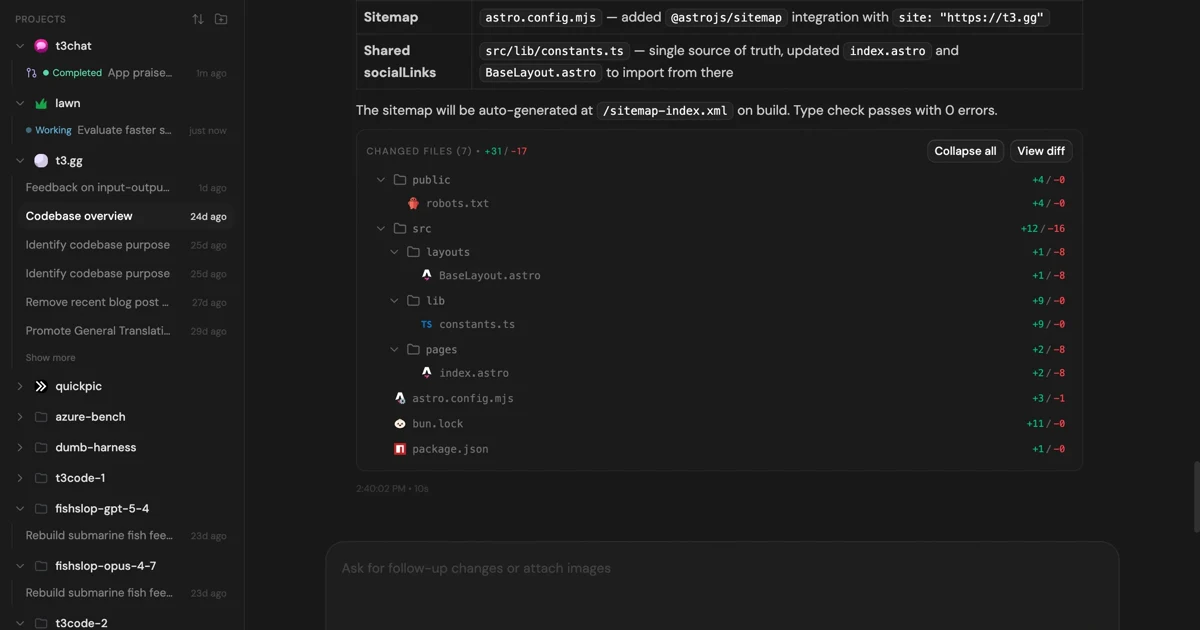
MIT-licensed control plane for running Claude Code, Codex, Cursor, Grok, and OpenCode threads from desktop, web, iOS, and Android clients.
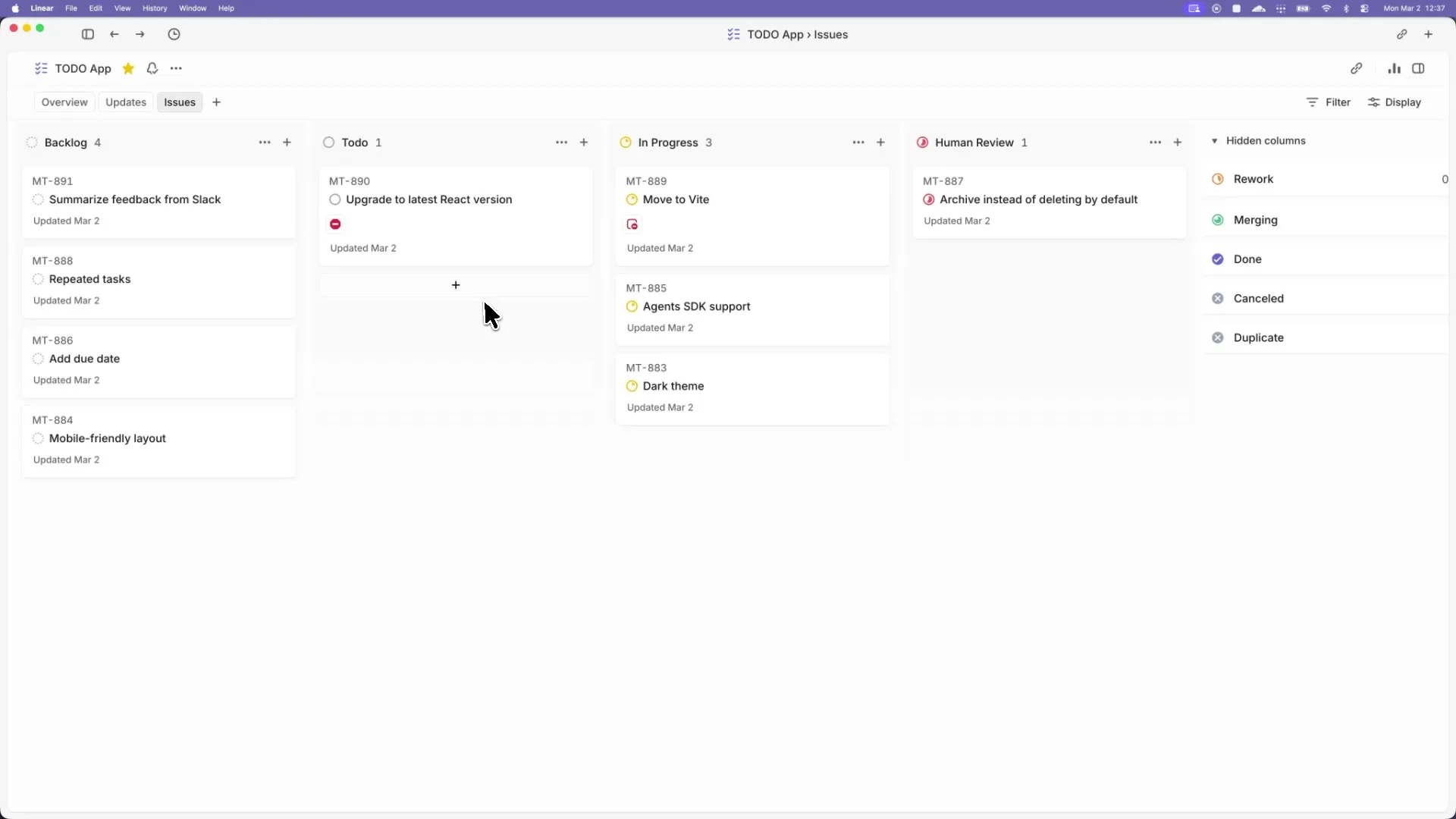
Apache-2.0 Codex orchestration spec and Elixir preview that turns tracker issues into isolated, long-running agent implementation runs.
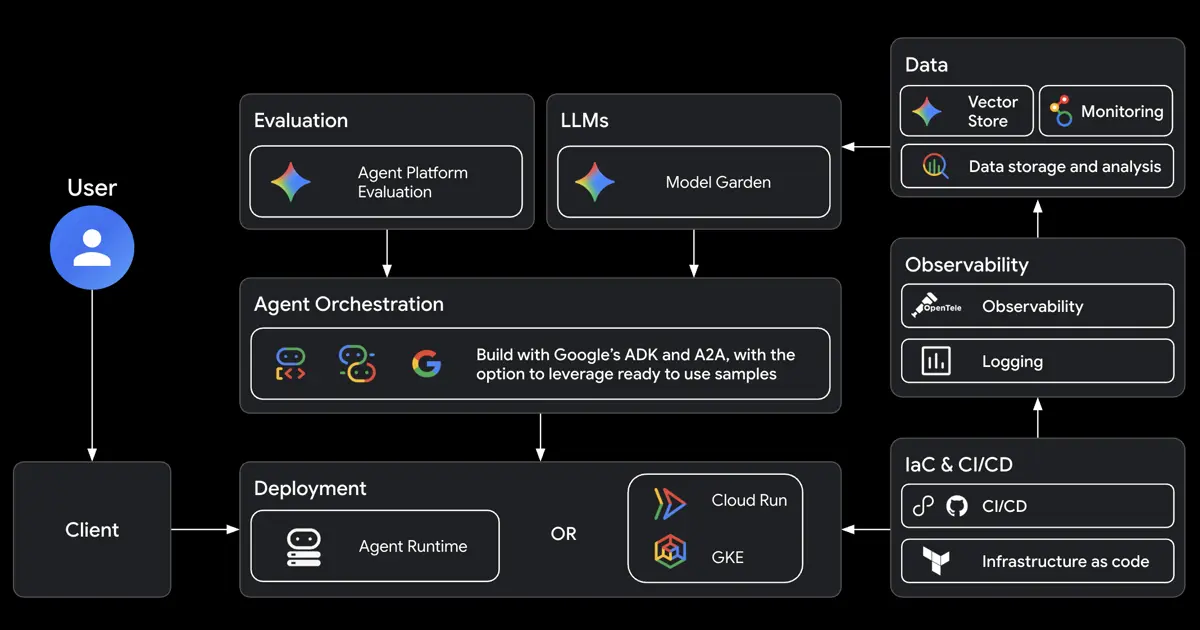
Google open-source CLI and skill bundle that teaches Claude Code, Codex, Antigravity, and other coding agents to build, evaluate, deploy, and publish ADK agents on Google Cloud.
Alternative Tools to Consider

Spec-driven AI IDE and CLI from AWS that turns prompts into requirements, tasks, and production-oriented implementation workflows.
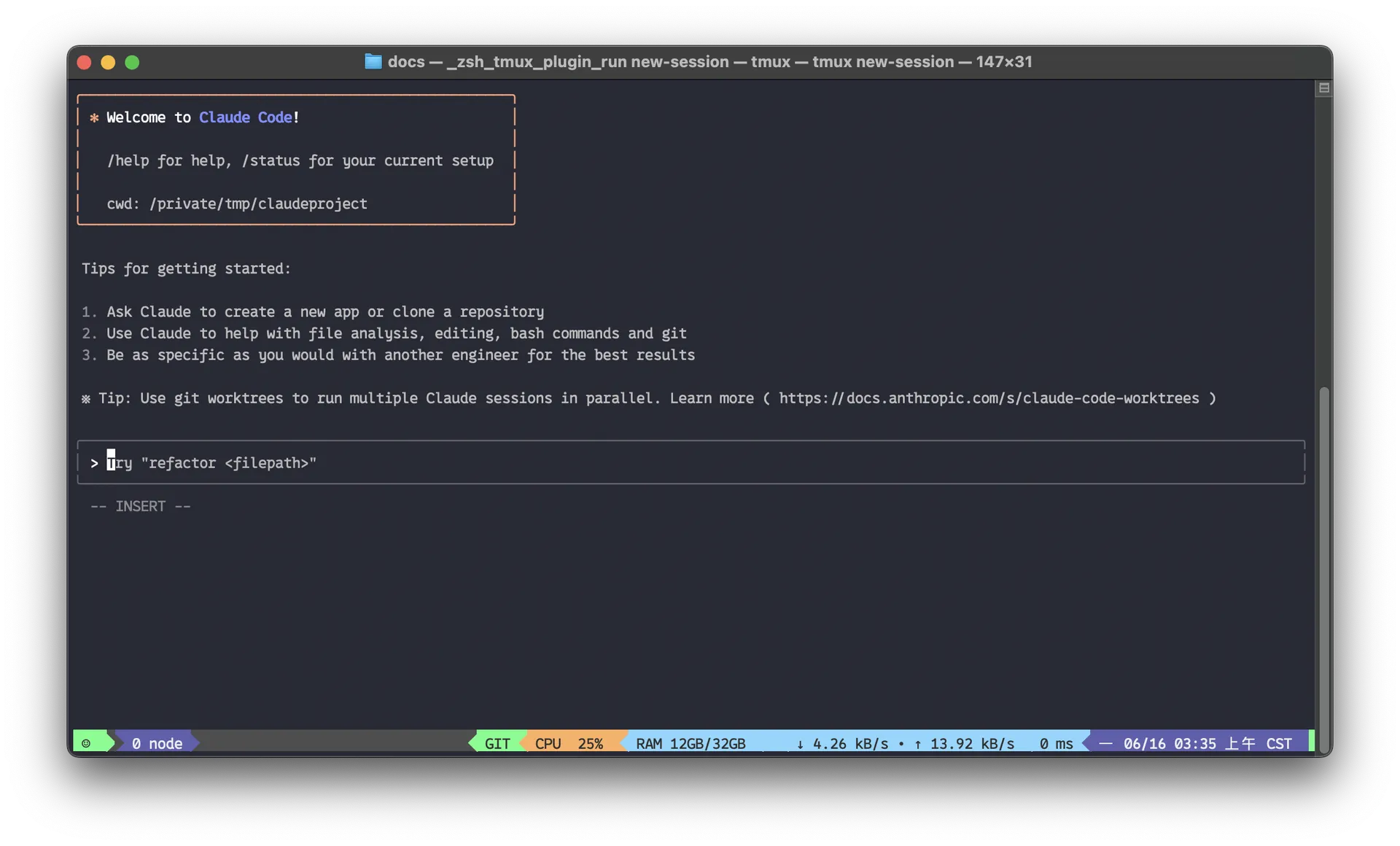
Anthropic’s agentic coding platform for terminal, IDE, desktop, web, CI, and code-review workflows.

Open-source spec-driven framework that adds lightweight proposal, design, task, and archive workflows to modern coding agents.

Open-source multi-platform AI coding workflow CLI for structuring specs, tasks, memory, and parallel agent work across tools like Claude Code, Codex, and Cursor.
Do one more comparison before you commit to Spec Kit
Strong picks usually survive one more internal check. Read deeper, compare a neighbor, then leave for the vendor page if the fit still holds.