
Stagewise
Open-source frontend coding agent and purpose-built browser that lets developers click live UI, inspect runtime context, and apply changes to real local codebases.
Do not bounce yet
Read the fit check, compare one alternative, then decide whether the vendor page is still your best next click.
Quick Verdict
Fast fit check before you leave the page
Make the fit call first. Vendor pages are good at selling, but they rarely tell you where the product is a bad match.
- Frontend-heavy developers working in existing local codebases
- Teams that want browser-native agent workflows without giving up repo ownership
- Builders comparing Stagewise against Domscribe, Onlook, Lovable, or generic IDE agents
- The product is still in alpha, so workflow details and stability can change quickly
- Frontend-heavy value proposition means it is less compelling for backend-only or terminal-only engineering work
- AGPL-3.0 is real open source, but some teams will still treat it as restrictive compared with MIT or Apache projects
Compare Next
Take one more internal step before the vendor pitch
This is where visitors usually jump out too early. Read one deeper take or open one alternative so the next click is informed instead of impulsive.
Alternative profile
Cursor
AI code editor with local, cloud, CLI, and mobile coding agents
Alternative profile
Domscribe
Open-source DOM-to-source mapping and runtime context tool that gives coding agents live frontend awareness.
Alternative profile
Lovable
Lovable is a browser-based AI app builder for generating, refining, and deploying full-stack web apps from chat prompts.
Stagewise is a frontend coding agent built for developers who are tired of losing browser context the moment they leave a prototype tool and return to a real codebase. Instead of forcing you to describe a UI problem from memory, it lets you work on the live page, target actual elements, inspect runtime behavior, and push changes back into local source code. That makes it one of the more interesting bridges between browser-first vibe coding and serious repo-native engineering.
Stagewise is one of the more defensible additions in the current agent-coding wave because it closes a real workflow gap instead of shipping another prompt wrapper. It gives developers a purpose-built browser with a coding agent that can inspect the live page, access console and debugger context, select concrete UI elements, and then push changes back into an existing local codebase through its CLI and IDE integration layer. That makes it materially different from browser-only prototype toys like Lovable or v0 and also more frontend-native than generic terminal agents that have to guess their way from DOM symptoms back to the right source file.
Why Choose Stagewise?
Most coding agents still treat the browser as a screenshot or an afterthought, which is stupid when the bug or design change is visibly happening in the running app. Stagewise fixes that by making browser context first-class.
It is a better fit than prototype-only builders when you already have an existing frontend codebase and need real source edits rather than disposable generated output.
Open-source AGPL licensing plus BYOK support make the product strategically safer than betting everything on a locked hosted browser agent.
The public GitHub and Hacker News traction is strong enough to treat Stagewise as a real category contender, not a weekend experiment with a polished landing page.
Key Features
Purpose-built browser with a coding agent integrated directly into the web workflow instead of bolting chat onto a generic IDE
Live access to browser console and debugger context so the agent can reason from runtime behavior instead of guessing from static files alone
Element-level interaction that lets developers click real UI and ask for targeted frontend changes in existing apps
Can make temporary test edits or connect to a local codebase for permanent source changes
CLI-driven local workflow plus IDE integration for reviewing and applying code changes in the editor you already use
Open-source AGPL-3.0 repository with fast prerelease cadence and bring-your-own-key support across model providers
Pros & Cons
- Stagewise solves a real frontend agent problem: most coding agents are still blind to the live browser and waste time guessing where UI bugs come from
- It is materially better aligned with existing local codebases than browser-only prototype builders that stop being useful once the project leaves toy mode
- The combination of live DOM targeting, debugger context, and local source edits is a stronger story than generic prompt-to-code workflows
- Open-source distribution plus BYOK support lowers lock-in risk compared with purely hosted browser agents
- The product is still in alpha, so workflow details and stability can change quickly
- Frontend-heavy value proposition means it is less compelling for backend-only or terminal-only engineering work
- AGPL-3.0 is real open source, but some teams will still treat it as restrictive compared with MIT or Apache projects
- Even with browser context, code changes still need human review because clean UI tweaks can hide ugly implementation debt
Detailed Use Cases for Stagewise
Use Stagewise to click a real interface element in a running app, describe the desired change in plain language, and push the implementation back into local source code rather than editing blindly from a screenshot.
Because Stagewise can access console and debugger context, it is better suited to browser-specific bugs and styling issues than generic coding agents that only read files.
Teams coming from browser-first prototype tools can use Stagewise to keep that visual iteration speed while still working inside real codebases they own.
Stagewise is also useful for inspecting design systems, components, and visual patterns in running websites when you want to adapt ideas into your own frontend implementation.
Who Should Use Stagewise?
Frontend-heavy developers working in existing local codebases
Teams that want browser-native agent workflows without giving up repo ownership
Builders comparing Stagewise against Domscribe, Onlook, Lovable, or generic IDE agents
Design-engineering workflows where live UI context matters as much as raw code generation
Perfect For
Editing and debugging UI in an existing local web app by clicking the live interface instead of describing it abstractly
Carrying browser-first prototype momentum into real codebases without giving up local repo ownership
Reverse-engineering components, styling systems, and design patterns from running products or reference sites
Helping frontend-heavy teams compare purpose-built web agents against tools like Domscribe, Onlook, Lovable, and Cursor
Technical Details
Direct Competitors
Domscribe
Onlook
Lovable
Cursor
Similar Tools You Might Like

Bolt.new is a browser-based AI app builder that can prompt, run, edit, and deploy full-stack web apps without local setup.

Open-source visual code editor and early-access team workspace for designing directly in real React codebases with AI.
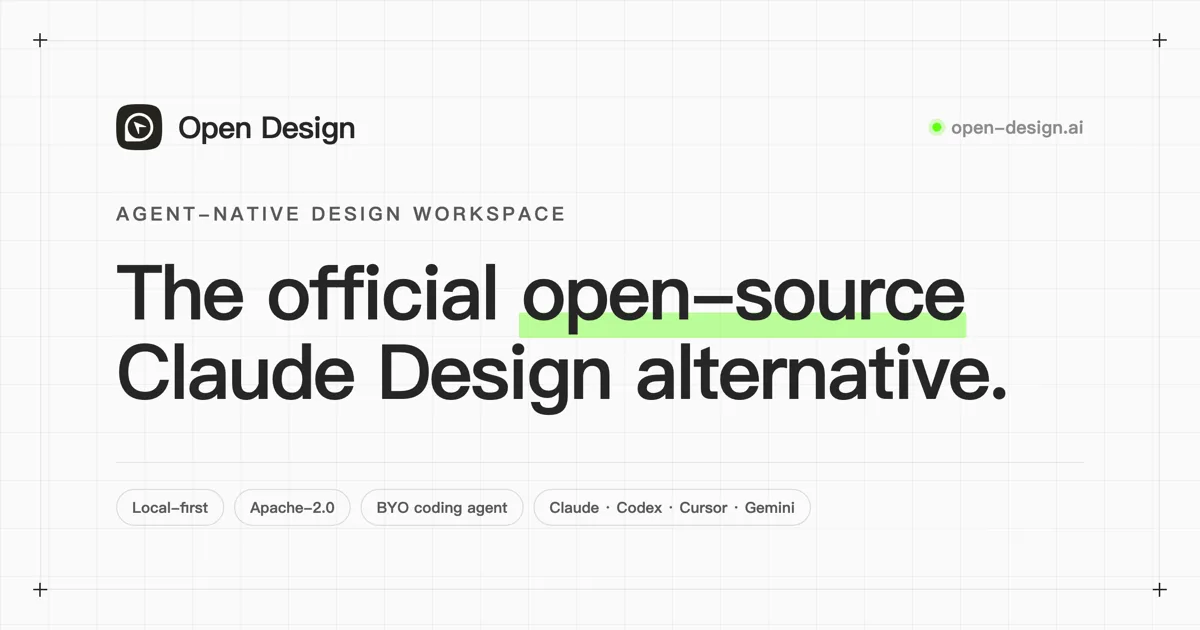
Open-source, local-first design workspace that lets coding agents generate brand-aware prototypes, decks, dashboards, images, and design systems.
Alternative Tools to Consider

AI code editor with local, cloud, CLI, and mobile coding agents

Open-source DOM-to-source mapping and runtime context tool that gives coding agents live frontend awareness.

Lovable is a browser-based AI app builder for generating, refining, and deploying full-stack web apps from chat prompts.
Open-source visual code editor and early-access team workspace for designing directly in real React codebases with AI.

Official plugin marketplace and MIT-licensed repository for packaging agent skills, rules, subagents, commands, MCP servers, hooks, and reusable canvases in Cursor.
Do one more comparison before you commit to Stagewise
Strong picks usually survive one more internal check. Read deeper, compare a neighbor, then leave for the vendor page if the fit still holds.