
Trellis
Open-source multi-platform AI coding workflow CLI for structuring specs, tasks, memory, and parallel agent work across tools like Claude Code, Codex, and Cursor.
Do not bounce yet
Read the fit check, compare one alternative, then decide whether the vendor page is still your best next click.
Quick Verdict
Fast fit check before you leave the page
Make the fit call first. Vendor pages are good at selling, but they rarely tell you where the product is a bad match.
- Developers using Claude Code, Codex, Cursor, or similar tools who want more repeatable workflow structure
- Teams running parallel agent tasks and trying to reduce context drift between sessions
- Technical leads standardizing agentic coding conventions across multiple interfaces
- Heavier than pure freeform vibe coding and will feel opinionated to developers who just want one-shot prompts.
- Best value appears only when teams actually maintain specs, tasks, and journals instead of letting the workflow rot.
- AGPL-3.0 is real open source, but some teams will treat it as more restrictive than MIT or Apache for internal customization.
Compare Next
Take one more internal step before the vendor pitch
This is where visitors usually jump out too early. Read one deeper take or open one alternative so the next click is informed instead of impulsive.
Related article
Trellis Review 2026: Workflow Layer for Claude Code, Codex, Cursor, and Agent Teams
A practical Trellis review covering Claude Code, Codex, Cursor, specs, tasks, workspace memory, install reality, AGPL licensing, tradeoffs, and alternatives.
Alternative profile
Claude Code
Anthropic’s agentic coding platform for terminal, IDE, desktop, web, CI, and code-review workflows.
Alternative profile
OpenViking
Open-source context database for AI agents that organizes memory, resources, and skills through a file-system-style hierarchy.
Alternative profile
Spec Kit
GitHub's MIT-licensed toolkit for turning requirements into specs, plans, tasks, and implementation workflows across 30+ AI coding agents.
Trellis is what you reach for when plain vibe coding starts to get sloppy. Instead of acting like yet another coding agent, it wraps multiple agent tools in a structured workflow built around specs, task PRDs, workspace journals, and git-worktree-friendly execution. That makes it relevant for developers who like the speed of Claude Code, Codex, or Cursor but need more continuity and process than a pile of ad-hoc prompt files can provide.
Trellis is an open-source workflow layer for teams that use multiple AI coding tools and want one repeatable operating model instead of a pile of disconnected prompt files. It adds structured specs, task PRDs, workspace journals, and git-worktree-friendly task management around tools like Claude Code, Codex, Cursor, OpenCode, Kiro, Gemini CLI, and others, which makes it useful when raw vibe coding starts to break down under team scale, parallel execution, or context drift.
Why Choose Trellis?
Choose Trellis when your team uses more than one coding agent and wants one operating model instead of re-inventing workflow glue per tool.
Choose it when context quality is collapsing: specs, task files, and journals are the point, not just another chat box.
Its git-worktree and task-based structure make parallel agent execution feel operational instead of chaotic.
Because it is open source, teams can inspect and adapt the workflow layer rather than trusting a black-box agent platform.
Key Features
Structured .trellis workspace with specs, tasks, workflow rules, and developer journals instead of one monolithic prompt file.
Auto-injected project standards and task context so supported coding agents start with more relevant repo knowledge.
Task-centered workflow with PRDs, context files, and status tracking for ongoing implementation work.
Parallel execution model built around git worktrees so multiple agent tasks can run side by side with less branch chaos.
Multi-platform support spanning Claude Code, Cursor, Codex, OpenCode, Kiro, Gemini CLI, Qoder, CodeBuddy, and other agent surfaces.
Open-source AGPL-3.0 licensing with active docs, changelog updates, and npm distribution.
Pros & Cons
- More structured and reusable than repeatedly hand-writing AGENTS.md or project prompt files for every tool.
- Strong fit for teams switching between multiple coding agents instead of locking into one vendor interface.
- Git-worktree and task-journal approach is practical for parallel agent work, not just marketing copy.
- Open-source distribution makes the workflow inspectable and customizable for infra-minded teams.
- Heavier than pure freeform vibe coding and will feel opinionated to developers who just want one-shot prompts.
- Best value appears only when teams actually maintain specs, tasks, and journals instead of letting the workflow rot.
- AGPL-3.0 is real open source, but some teams will treat it as more restrictive than MIT or Apache for internal customization.
Detailed Use Cases for Trellis
Use Trellis when one repository needs to support multiple agent tools and multiple concurrent tasks without turning branches and prompts into a mess.
Its PRD, context, and workflow structure is useful when AI coding work needs explicit task boundaries and reviewable artifacts before implementation.
Trellis helps teams preserve standards, prior decisions, and developer-specific continuity so future sessions do not start from blank context.
It is a better fit than freeform prompting when a project has grown large enough that speed without structure is starting to create rework.
Who Should Use Trellis?
Developers using Claude Code, Codex, Cursor, or similar tools who want more repeatable workflow structure
Teams running parallel agent tasks and trying to reduce context drift between sessions
Technical leads standardizing agentic coding conventions across multiple interfaces
Open-source and infra-minded builders who prefer inspectable workflow tooling over proprietary orchestration layers
Perfect For
Standardizing agentic coding workflows across Claude Code, Codex, Cursor, and other supported tools.
Running multiple AI coding tasks in parallel with clearer task boundaries and less branch collision.
Capturing project standards, task context, and developer memory so agent sessions do not restart from zero every time.
Giving teams a shared workflow layer when ad-hoc vibe coding starts creating context drift and inconsistent outputs.
Technical Details
Direct Competitors
Spec Kit
SuperClaude
Claude Code with custom AGENTS.md prompts
OpenViking
Similar Tools You Might Like
MIT-licensed local memory server and CLI for carrying coding context, summaries, and handoffs across Claude Code, Codex, Cursor, OpenCode, and other agent clients.
MIT-licensed codebase knowledge graph and MCP server for structural search, natural-language exploration, data-flow tracing, and agent-assisted edits across mixed-language repositories.
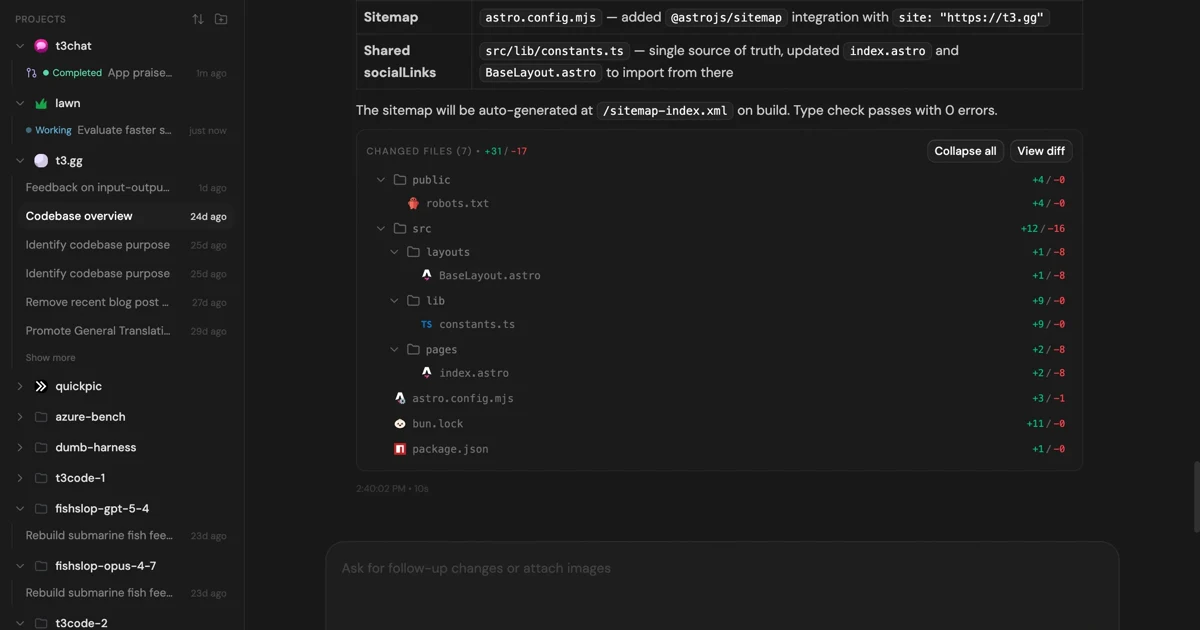
MIT-licensed control plane for running Claude Code, Codex, Cursor, Grok, and OpenCode threads from desktop, web, iOS, and Android clients.
Alternative Tools to Consider
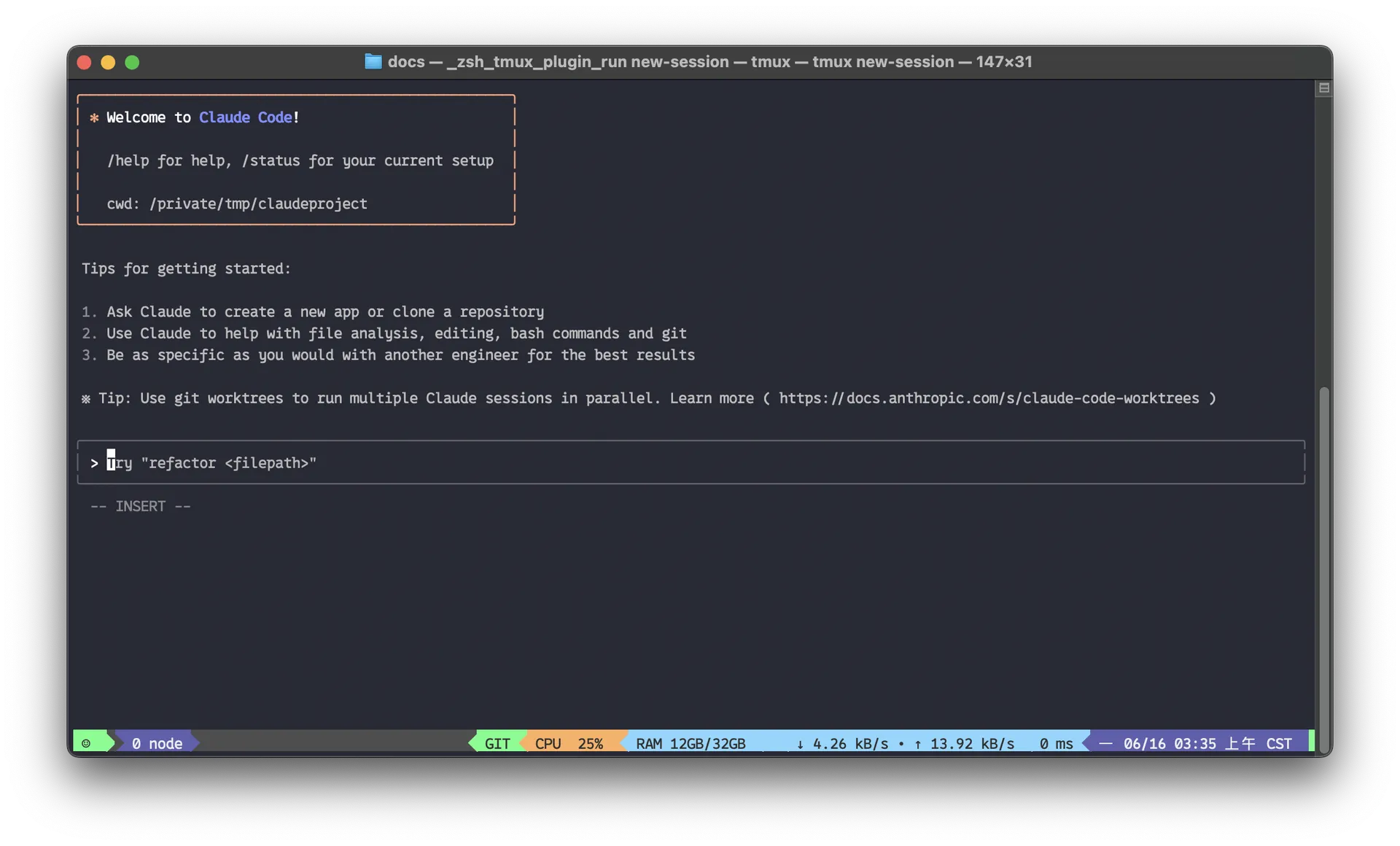
Anthropic’s agentic coding platform for terminal, IDE, desktop, web, CI, and code-review workflows.

Open-source context database for AI agents that organizes memory, resources, and skills through a file-system-style hierarchy.

GitHub's MIT-licensed toolkit for turning requirements into specs, plans, tasks, and implementation workflows across 30+ AI coding agents.

MIT-licensed configuration framework that adds structured slash commands, agents, behavioral modes, and optional MCP integrations to Claude Code.
Do one more comparison before you commit to Trellis
Strong picks usually survive one more internal check. Read deeper, compare a neighbor, then leave for the vendor page if the fit still holds.