
Apache Maka
Apache-2.0 local-first agent workspace with desktop, TUI, CLI, append-only execution logs, permission controls, recovery, and evaluation workflows.
Do not bounce yet
Read the fit check, compare one alternative, then decide whether the vendor page is still your best next click.
Quick Verdict
Fast fit check before you leave the page
Make the fit call first. Vendor pages are good at selling, but they rarely tell you where the product is a bad match.
- Developers who want a local-first desktop or terminal workspace for tool-using coding agents
- Teams that need searchable execution evidence, branching, recovery, artifacts, and permission-aware project tools
- Agent researchers comparing multiple harnesses with reproducible task, repetition, subject, cost, and artifact records
- The project is a new Apache Incubator podling and explicitly warns that data formats, CLI commands, and experimental capabilities may still change.
- The supported desktop tier is Apple Silicon macOS; Windows packages are unsigned previews and Linux has no packaged desktop build.
- Computer Use execution is excluded from v0.1.11 even though the skill is bundled, so browser or desktop-control expectations must be tested rather than inferred.
Compare Next
Take one more internal step before the vendor pitch
This is where visitors usually jump out too early. Read one deeper take or open one alternative so the next click is informed instead of impulsive.
Alternative profile
Claude Code Router
MIT-licensed local gateway and desktop control plane for routing Claude Code, Codex, Grok CLI, and compatible agents across model providers.
Alternative profile
Claude Code
Anthropic’s agentic coding platform for terminal, IDE, desktop, web, CI, and code-review workflows.
Alternative profile
Claude Code Chat
Source-available VS Code and Cursor interface for Claude Code with checkpoints, inline diffs, history, permissions, and extension marketplaces.
Apache Maka is an ambitious local-first agent workspace built around a stronger primitive than a chat transcript: an append-only runtime event log. Desktop, TUI, CLI, and evaluation runs share one Runtime Host, so model messages, tool calls, permissions, outputs, termination, and recovery facts can be projected into different interfaces without discarding the underlying evidence. That architecture is directly relevant to vibe-coding teams, but the project is also a young Apache Incubator podling whose platform support, migration boundaries, and credential storage deserve careful review.
Apache Maka (Incubating) is a local-first workspace for agent coding and other tool-using AI work. Its desktop app, terminal UI, non-interactive CLI, and evaluation subjects share a Runtime Host that records model messages, tool calls, tool results, permissions, and termination facts in an append-only event log. Developers can connect cloud APIs, local models, or compatible gateways; use project tools such as Read, Write, Edit, Bash, Glob, and Grep; branch or recover sessions; and run reproducible multi-arm evaluations. The project is unusually transparent about early-stage limits: v0.1.11 is an incubating release, Windows is an unsigned preview, Linux has no packaged desktop build, Computer Use execution is excluded, credentials remain local plaintext behind the OS account boundary, and some legacy data is not migrated.
Why Choose Apache Maka?
Choose Apache Maka when recoverable agent execution, inspectable tool evidence, and local workspace state matter more than a polished hosted chat experience.
The shared Runtime Host keeps desktop, terminal, non-interactive, and evaluation behavior on one execution authority instead of maintaining unrelated agent stacks.
BYOK and local-model connections make provider choice independent from the workspace, while Apache-2.0 source and detailed architecture documents support serious inspection.
Adopt cautiously: pin v0.1.11, back up current workspace data, use least-privilege provider credentials, verify Windows checksums, and test recovery semantics before assigning consequential unattended work.
Key Features
Shared Runtime Host for the Electron desktop app, terminal UI, non-interactive CLI, and Maka evaluation subjects.
Append-only Runtime Event Log records model messages, tool calls, tool results, permission decisions, termination facts, recovery state, and execution evidence.
Local project tools include Read, Write, Edit, Bash, Glob, and Grep with schema validation, permissions, watchdogs, abort handling, and error classification.
Session search, rename, archive, retry, regenerate, branching, artifact previews, workspace instructions, local memory, web search, and bot entry points.
Multiple model connections support cloud APIs, local models, compatible gateways, streaming, thinking, usage accounting, and provider-error normalization.
Declarative evaluation expands task, repetition, and subject matrices into immutable attempts with normalized score, usage, cost, duration, status, failure, and artifact outputs.
Stable v0.1.11 ships signed Apple Silicon macOS packages and unsigned Windows x64 previews; the maintained CLI also has a staged npm release boundary.
Pros & Cons
- The event-log architecture preserves inspectable execution facts instead of reducing every run to a disposable chat transcript.
- Desktop, terminal, automation, and evaluation surfaces share one runtime authority, reducing behavior drift between interfaces.
- Apache-2.0 source, active issue and pull-request traffic, architecture documentation, and release checks make the implementation unusually inspectable for a young agent workspace.
- BYOK and local-model options avoid locking the workspace to one model vendor or bundled subscription.
- The project is a new Apache Incubator podling and explicitly warns that data formats, CLI commands, and experimental capabilities may still change.
- The supported desktop tier is Apple Silicon macOS; Windows packages are unsigned previews and Linux has no packaged desktop build.
- Computer Use execution is excluded from v0.1.11 even though the skill is bundled, so browser or desktop-control expectations must be tested rather than inferred.
- Connection credentials remain local plaintext behind OS account permissions, and older transcript plus credential formats are not migrated into the current authorities.
- Opt-in safe resume can incur new model calls, while ambiguous tool outcomes are deliberately parked because side-effect reconciliation is not implemented.
Detailed Use Cases for Apache Maka
Keep model messages, tool calls, tool results, permission decisions, termination facts, and recovery state in an append-only event log instead of relying only on rendered chat history.
Use the Electron workspace for daily interaction, the TUI inside a project directory, or `maka run` for a non-interactive turn through the same Runtime Host.
Search, archive, retry, regenerate, branch, and recover tasks while preserving artifacts and authoritative execution state across refreshes.
Expand declarative task matrices into immutable attempts and compare Maka with external subjects using normalized score, usage, cost, duration, failure, and artifact fields.
Who Should Use Apache Maka?
Developers who want a local-first desktop or terminal workspace for tool-using coding agents
Teams that need searchable execution evidence, branching, recovery, artifacts, and permission-aware project tools
Agent researchers comparing multiple harnesses with reproducible task, repetition, subject, cost, and artifact records
Security-conscious evaluators willing to test an early Apache Incubator release and manage their own model connections
Perfect For
Run repository tasks from a desktop workspace or terminal while preserving tool calls, permissions, outputs, and recovery facts in a local event log.
Branch, retry, search, archive, and recover long-running coding sessions without treating the visible chat transcript as the only source of truth.
Compare Maka and external agent subjects with reproducible multi-arm evaluation specifications and normalized result artifacts.
Use cloud APIs, local models, or compatible gateways through one local-first workspace while keeping provider choice separate from the agent interface.
Technical Details
Direct Competitors
OpenCode
Kilo Code
Continue
Claude Code
Codex CLI
Cline
Similar Tools You Might Like
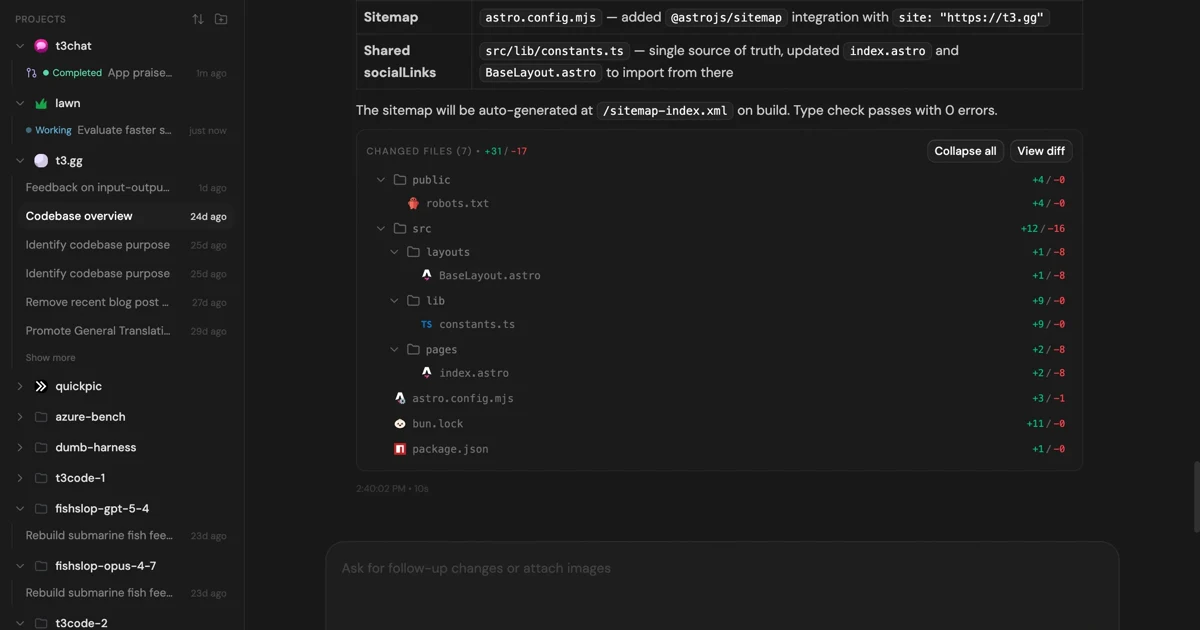
MIT-licensed control plane for running Claude Code, Codex, Cursor, Grok, and OpenCode threads from desktop, web, iOS, and Android clients.
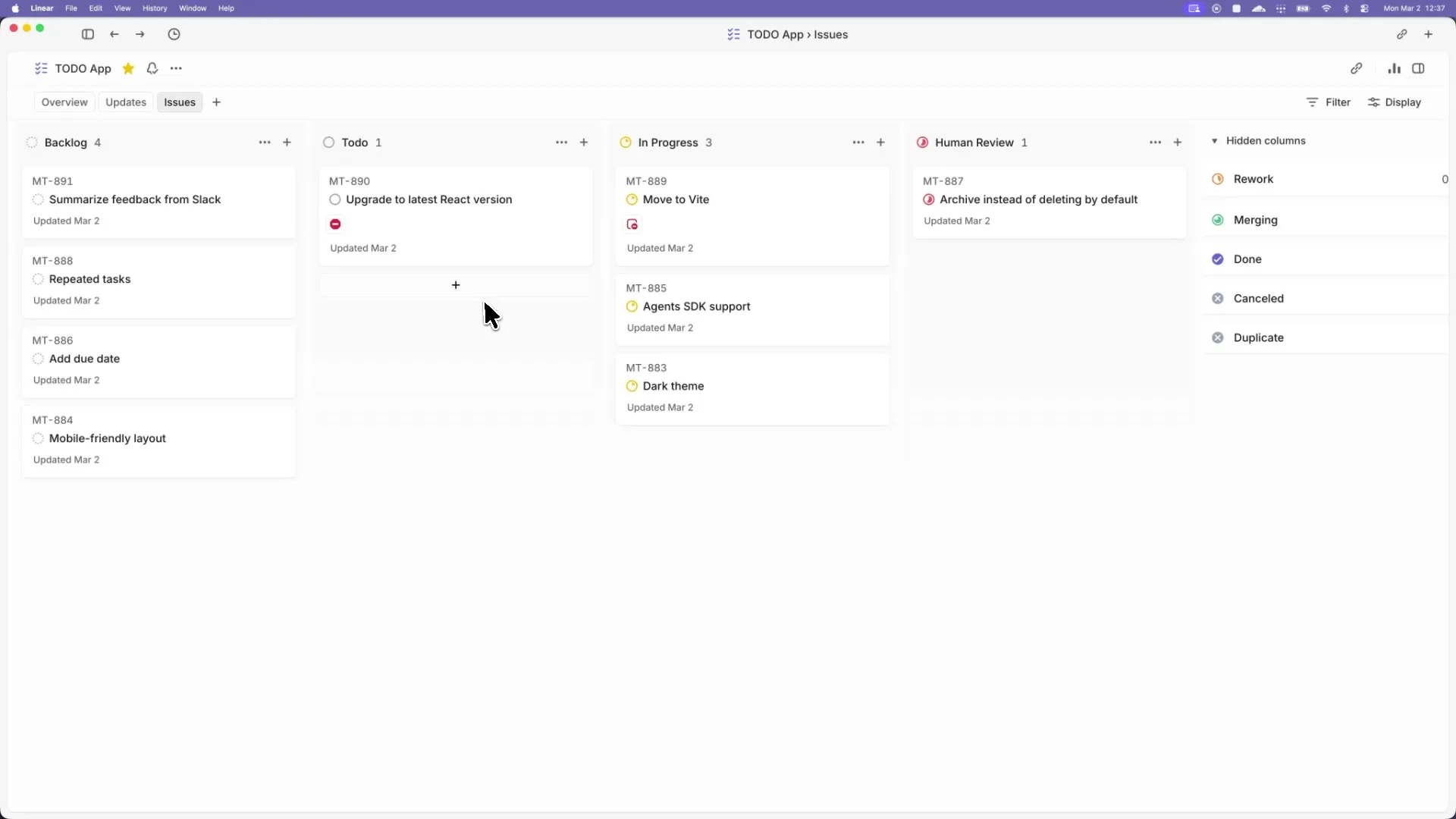
Apache-2.0 Codex orchestration spec and Elixir preview that turns tracker issues into isolated, long-running agent implementation runs.
MIT-licensed local memory server and CLI for carrying coding context, summaries, and handoffs across Claude Code, Codex, Cursor, OpenCode, and other agent clients.
Alternative Tools to Consider
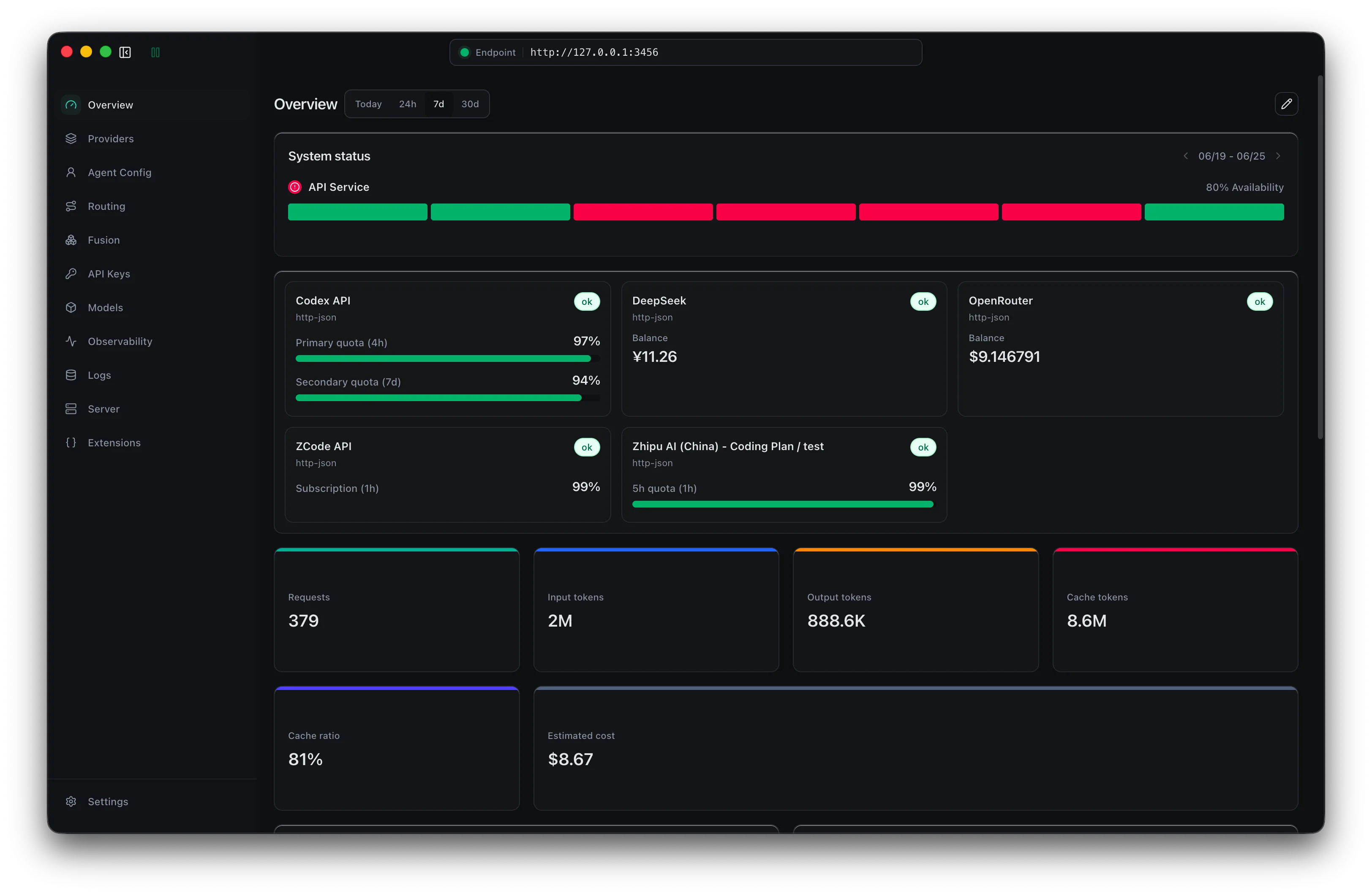
MIT-licensed local gateway and desktop control plane for routing Claude Code, Codex, Grok CLI, and compatible agents across model providers.
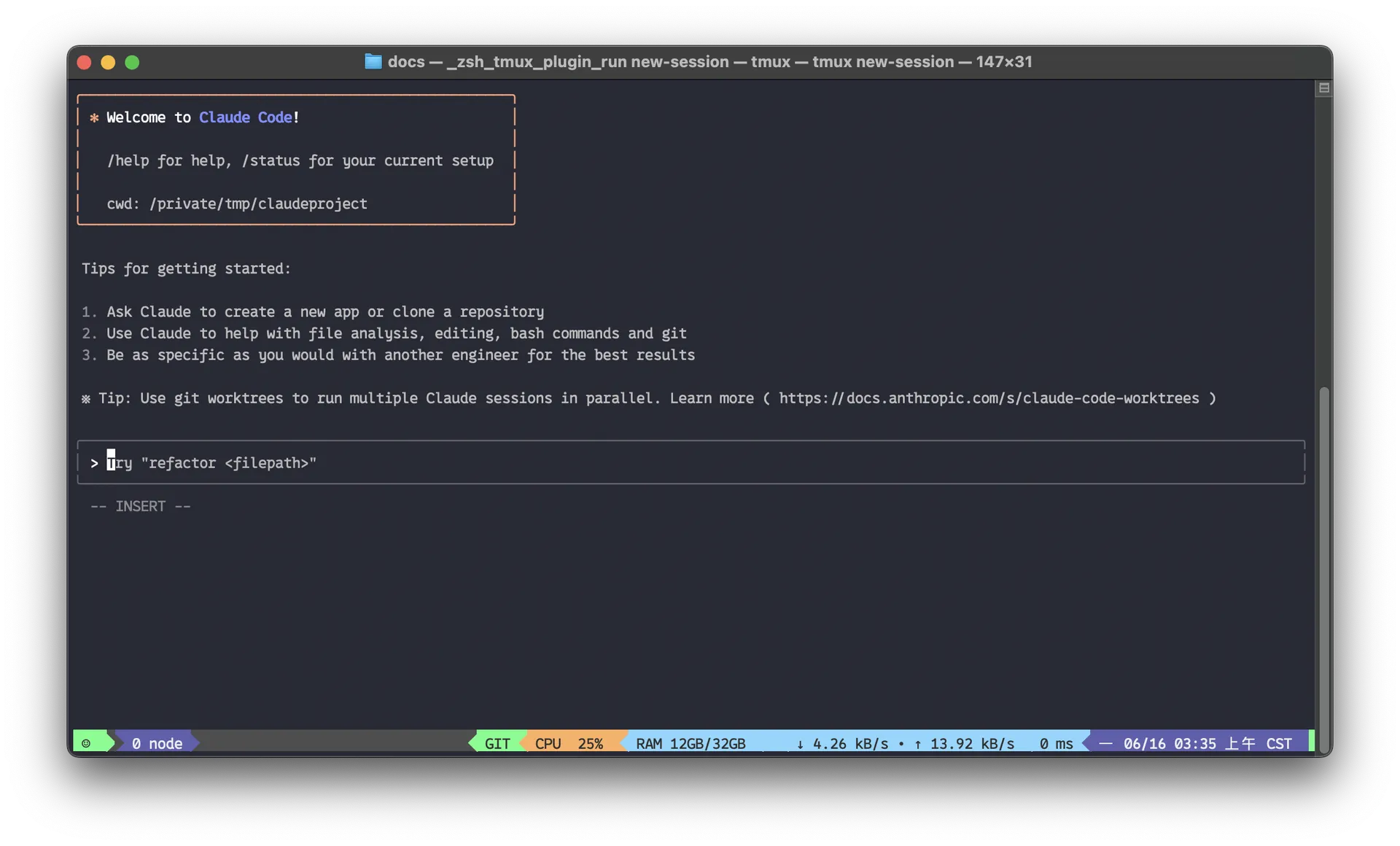
Anthropic’s agentic coding platform for terminal, IDE, desktop, web, CI, and code-review workflows.

Source-available VS Code and Cursor interface for Claude Code with checkpoints, inline diffs, history, permissions, and extension marketplaces.

Open-source terminal dashboard for tracking Claude Code token usage, burn rate, and predicted session cutoffs.

Open-source coding agent for VS Code and the terminal with browser automation, MCP extensibility, and human-in-the-loop approvals.

Apache-2.0 coding agent for terminal, VS Code, and JetBrains, now at its final 2.0.0 release after an acquisition.
Do one more comparison before you commit to Apache Maka
Strong picks usually survive one more internal check. Read deeper, compare a neighbor, then leave for the vendor page if the fit still holds.