
Claude-Mem
Open-source, local-first memory engine for coding agents, with optional CMEM Cloud sync and a private MCP endpoint for cross-device recall.
Do not bounce yet
Read the fit check, compare one alternative, then decide whether the vendor page is still your best next click.
Quick Verdict
Fast fit check before you leave the page
Make the fit call first. Vendor pages are good at selling, but they rarely tell you where the product is a bad match.
- Developers using Claude Code, Codex, Gemini CLI, Cursor, Windsurf, OpenCode, OpenClaw, or VS Code for multi-session repository work
- Teams comparing local agent memory with optional hosted cross-device sync
- Infrastructure-minded builders who want searchable observations instead of raw transcript replay
- Claude-Mem is supporting infrastructure, not a complete coding agent, so it adds another service and storage layer to workflows you already operate.
- Hook installation, worker processes, search storage, and platform dependencies are materially more complex than plain Markdown memory or transcript search.
- CMEM Cloud introduces hosted storage, account, billing, and service-availability considerations that do not apply to the local engine.
Compare Next
Take one more internal step before the vendor pitch
This is where visitors usually jump out too early. Read one deeper take or open one alternative so the next click is informed instead of impulsive.
Alternative profile
Beads
Open-source persistent memory and dependency-aware task graph for coding agents that need durable context across long-running repo work.
Alternative profile
context-mode
Source-available MCP plugin that keeps heavy tool output out of Claude Code, Codex, Cursor, and other coding-agent context windows.
Alternative profile
Mem0
Universal memory layer for AI agents that adds persistent context, retrieval, and personalization to coding workflows.
Claude-Mem is for developers who are tired of coding agents losing the plot after a restart, compaction, or client switch. The project now needs to be evaluated as two related layers: a free Apache-2.0 local memory engine that captures and retrieves observations, and optional CMEM Cloud services for cross-device sync and private MCP access.
Claude-Mem addresses a real agent-coding failure mode: useful repository context evaporates between sessions, compactions, devices, and client handoffs. The Apache-2.0 engine captures tool activity through hooks, compiles observations, stores searchable project history, and retrieves context progressively instead of replaying whole transcripts. The current product now spans a free local engine plus optional CMEM Cloud sync and team services, so buyers should distinguish the open-source runtime from the hosted control plane and validate the privacy and cost trade-off for their own repositories.
Why Choose Claude-Mem?
Choose Claude-Mem when session continuity, searchable decisions, and cross-client recall are the bottleneck rather than raw code-generation quality.
Its progressive-disclosure retrieval model is more token-conscious than replaying complete histories or injecting a large memory file into every prompt.
The local engine stays free and inspectable, so hosted sync is an explicit upgrade rather than a prerequisite.
v13.16.1 includes a concrete Windows reliability pass, but teams should still test the worker and hook lifecycle in their own environment.
Key Features
Captures coding-agent tool activity through lifecycle hooks, compiles it into observations and summaries, and makes that history available to later sessions.
Uses progressive-disclosure retrieval: agents can search a compact index or timeline first, then fetch full observations only when deeper context is useful.
Keeps a free local engine with inspectable storage and a web viewer, while optional CMEM Cloud mirrors observations for cross-device access through a private MCP endpoint.
Supports workflows across Claude Code, Cursor, Windsurf, OpenCode, OpenClaw, Codex CLI, Gemini CLI, VS Code, and the Cowork plugin documented in the v13.16.0 release.
v13.16.1 specifically hardened Windows process cleanup, tree-sitter resolution, home-path handling, Git Bash detection, build mirroring, and log tailing.
Provides configuration and redaction controls, but hosted sync changes the trust boundary and should be reviewed separately from the local Apache-2.0 engine.
Pros & Cons
- It solves a real reliability problem in agentic coding: continuity across sessions and clients rather than another code-generation shell.
- Progressive retrieval is more token-efficient than injecting full transcripts or an ever-growing memory file into every prompt.
- The free local engine remains inspectable and portable, while cloud sync is optional rather than required for basic operation.
- The current release shows unusually concrete cross-platform maintenance, including a focused Windows reliability pass and a large automated test suite reported by the maintainer.
- Claude-Mem is supporting infrastructure, not a complete coding agent, so it adds another service and storage layer to workflows you already operate.
- Hook installation, worker processes, search storage, and platform dependencies are materially more complex than plain Markdown memory or transcript search.
- CMEM Cloud introduces hosted storage, account, billing, and service-availability considerations that do not apply to the local engine.
- Repository popularity is not verified usage: the official site contains conflicting star counts and Hacker News discussion of this specific project remains minimal.
- First-party cost-reduction claims on the product site were not independently reproduced in this review.
Detailed Use Cases for Claude-Mem
Capture observations and summaries so later sessions can recover relevant architecture, fixes, and pending work instead of starting from a blank prompt.
Search a compact timeline or index first, then retrieve full observations only when the current task needs them.
Use the free Apache-2.0 runtime and local viewer when repository context should stay on the developer machine.
Use the optional CMEM Cloud plan when private MCP access and synchronized observations justify the hosted trust boundary and recurring cost.
Who Should Use Claude-Mem?
Developers using Claude Code, Codex, Gemini CLI, Cursor, Windsurf, OpenCode, OpenClaw, or VS Code for multi-session repository work
Teams comparing local agent memory with optional hosted cross-device sync
Infrastructure-minded builders who want searchable observations instead of raw transcript replay
Buyers comparing Claude-Mem with Beads, Mem0, OpenViking, context-mode, or simpler history search
Perfect For
Keeping Claude Code, Codex, Gemini CLI, Cursor, Windsurf, OpenCode, or OpenClaw work coherent across restarts, compactions, and multi-day repository changes.
Recovering prior architectural decisions, fixes, and pending work through semantic and timeline search instead of replaying complete transcripts.
Running the memory engine locally when inspectability matters, with an optional migration to cross-device CMEM Cloud sync when that trust trade-off is acceptable.
Sharing a private MCP-accessible memory layer across agents and devices without coupling the workflow to one editor history.
Technical Details
Direct Competitors
Beads
Mem0
OpenViking
context-mode
Similar Tools You Might Like
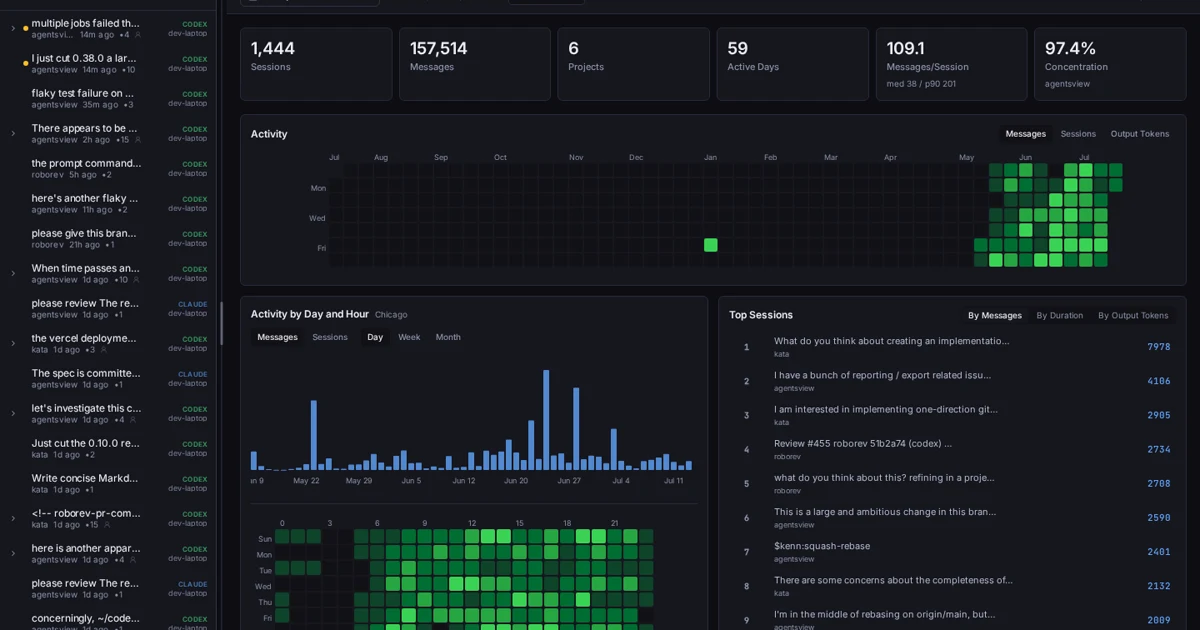
MIT-licensed local-first desktop, web, and CLI workspace for searching coding-agent sessions and analyzing activity, tokens, and costs across tools.
MIT-licensed state kernel and local control plane that keeps Codex, Claude Code, Cursor, OpenCode, and peer agent teams aligned on long-running goals.
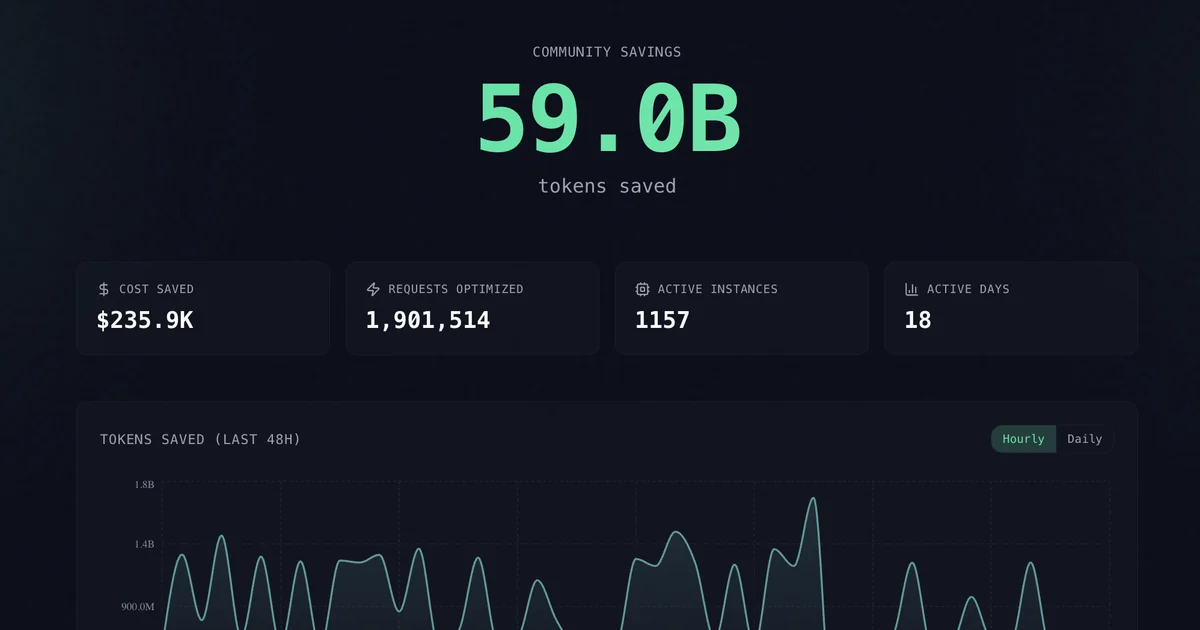
Apache-2.0 context-compression layer that wraps Claude Code, Codex, Cursor, OpenCode, and MCP clients so agents send fewer tool-output and history tokens.
Alternative Tools to Consider

Open-source persistent memory and dependency-aware task graph for coding agents that need durable context across long-running repo work.

Source-available MCP plugin that keeps heavy tool output out of Claude Code, Codex, Cursor, and other coding-agent context windows.

Universal memory layer for AI agents that adds persistent context, retrieval, and personalization to coding workflows.

Open-source context database for AI agents that organizes memory, resources, and skills through a file-system-style hierarchy.
Do one more comparison before you commit to Claude-Mem
Strong picks usually survive one more internal check. Read deeper, compare a neighbor, then leave for the vendor page if the fit still holds.