
Beads
Open-source persistent memory and dependency-aware task graph for coding agents that need durable context across long-running repo work.
Do not bounce yet
Read the fit check, compare one alternative, then decide whether the vendor page is still your best next click.
Quick Verdict
Fast fit check before you leave the page
Make the fit call first. Vendor pages are good at selling, but they rarely tell you where the product is a bad match.
- Developers using Claude Code, Codex, or similar agents for multi-step repository work
- Teams coordinating parallel agent sessions across branches and needing durable task state
- Builders who want a local-first memory and planning layer instead of another SaaS dependency
- Beads is not a full coding agent by itself; it upgrades memory and task coordination, so you still need a separate agent or editor workflow to execute the work.
- Dolt-backed storage is powerful, but it adds conceptual overhead compared with a naive todo file or lightweight issue tracker.
- The biggest payoff appears in longer or parallel agent workflows, so solo developers doing tiny one-shot tasks may find it heavier than necessary.
Compare Next
Take one more internal step before the vendor pitch
This is where visitors usually jump out too early. Read one deeper take or open one alternative so the next click is informed instead of impulsive.
Alternative profile
Context7
Documentation context layer that feeds up-to-date, version-specific library docs and code snippets into Cursor, Claude, and other coding agents.
Alternative profile
Mem0
Universal memory layer for AI agents that adds persistent context, retrieval, and personalization to coding workflows.
Alternative profile
OpenViking
Open-source context database for AI agents that organizes memory, resources, and skills through a file-system-style hierarchy.
Beads is for developers who have already learned the hard way that coding agents forget too much. Instead of relying on giant chat transcripts or ad hoc markdown plans, it gives agents a persistent issue graph with blockers, readiness, hierarchy, compaction, and local storage that survives across sessions. That makes it relevant to vibe coding teams doing real repo work rather than one-prompt toy demos.
Beads is one of the more defensible agent-memory tools because it is built around real long-horizon coding work instead of vague 'memory' marketing. It gives coding agents a local CLI and structured issue graph backed by Dolt, with dependency tracking, ready queues, merge-friendly IDs, compaction, and git-free or stealth modes for maintaining context across sessions and branches. That makes it directly relevant to vibe coding teams whose agents keep forgetting plan state, duplicating work, or collapsing into markdown TODO sludge.
Why Choose Beads?
Choose beads when the main failure mode is not code generation but context decay across long-running agent tasks.
Its graph-based task model is more operationally useful than flat planning files because dependencies and ready work become explicit.
Local-first storage plus open-source internals are a better trust story than shipping durable planning context into another black-box hosted memory vendor.
The combination of Git-friendly IDs, compaction, and stealth modes makes it unusually practical for real repositories instead of just another memory concept demo.
Key Features
Local CLI that gives coding agents persistent structured memory instead of forcing everything into ephemeral chats or markdown plans.
Dependency-aware issue graph with ready queues, blockers, hierarchy, and hash-based IDs that are safer for multi-agent and multi-branch workflows.
Dolt-backed storage with versioned SQL data, branching, sync, and merge semantics that fit repository work better than a generic note database.
Compaction and 'memory decay' features to summarize old closed work so long-running agent projects do not bloat context windows forever.
Stealth, contributor, and git-free modes so developers can use it inside shared repos or non-git setups without spraying planning artifacts everywhere.
Official docs plus Claude Code and MCP integration paths, with a growing ecosystem of community UIs and extensions around the core CLI.
Pros & Cons
- Beads solves a real failure mode in agentic coding: long tasks fall apart when the agent loses state, duplicates work, or forgets dependencies between subtasks.
- The graph model is strategically better than another flat checklist because blockers, readiness, and relationships become explicit instead of implied.
- Local-first open-source infrastructure is a saner trust model than pushing durable repo planning into another opaque hosted memory layer.
- Public traction is strong enough to take seriously, with substantial GitHub growth, current docs, HN discussion, and fresh X chatter.
- Beads is not a full coding agent by itself; it upgrades memory and task coordination, so you still need a separate agent or editor workflow to execute the work.
- Dolt-backed storage is powerful, but it adds conceptual overhead compared with a naive todo file or lightweight issue tracker.
- The biggest payoff appears in longer or parallel agent workflows, so solo developers doing tiny one-shot tasks may find it heavier than necessary.
- UI polish is still secondary to the core CLI and data model, which is fine for operators but less ideal for teams that want a slick hosted dashboard out of the box.
Detailed Use Cases for Beads
Use Beads when a coding task spans many sessions and the agent keeps forgetting prior decisions, blockers, or subtask state. Beads gives that work a durable structured memory layer.
Its dependency graph and merge-friendly IDs are useful when several agents or branches are working in parallel and you do not want planning state to dissolve into file conflicts.
Beads is a better fit than improvised plan files when your workflow needs claims, blockers, audit trails, ready queues, and context compaction instead of an ever-growing wall of text.
Stealth and git-free modes make it practical for developers who want durable agent planning without turning every project into a SaaS task-management integration project.
Who Should Use Beads?
Developers using Claude Code, Codex, or similar agents for multi-step repository work
Teams coordinating parallel agent sessions across branches and needing durable task state
Builders who want a local-first memory and planning layer instead of another SaaS dependency
Power users comparing beads vs Mem0, OpenViking, Context7, or DIY markdown planning systems
Perfect For
Keeping durable task and dependency context across repeated Claude Code, Codex, or other coding-agent sessions.
Coordinating multiple agents or branches without merge-conflict chaos in shared planning files.
Running local-first project planning inside a repo when you do not want a hosted PM tool to become another operational dependency.
Using stealth or git-free modes to track agent work privately without contaminating upstream repositories with process noise.
Technical Details
Direct Competitors
Mem0
OpenViking
Context7
Plandex
Similar Tools You Might Like
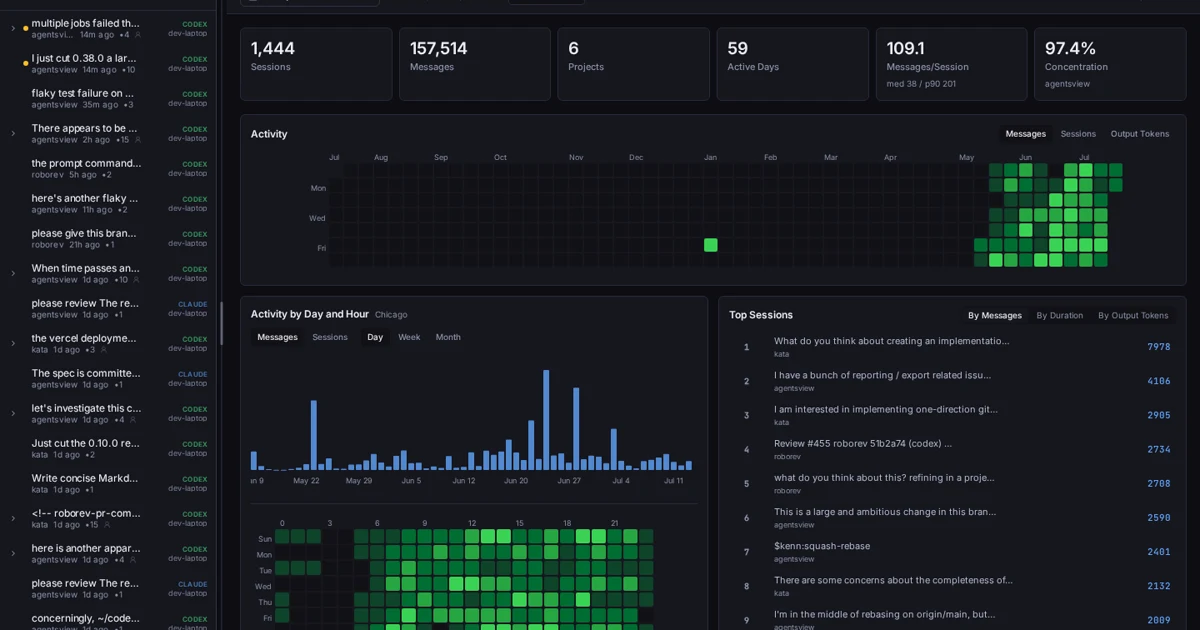
MIT-licensed local-first desktop, web, and CLI workspace for searching coding-agent sessions and analyzing activity, tokens, and costs across tools.

MIT-licensed state kernel and local control plane that keeps Codex, Claude Code, Cursor, OpenCode, and peer agent teams aligned on long-running goals.
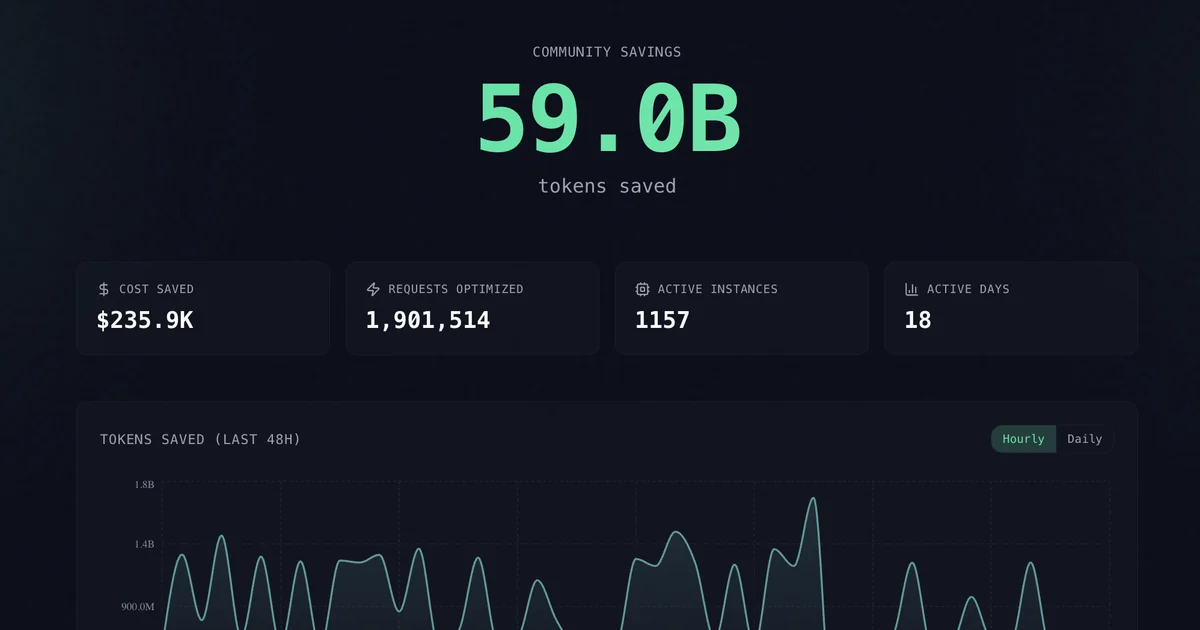
Apache-2.0 context-compression layer that wraps Claude Code, Codex, Cursor, OpenCode, and MCP clients so agents send fewer tool-output and history tokens.
Alternative Tools to Consider

Documentation context layer that feeds up-to-date, version-specific library docs and code snippets into Cursor, Claude, and other coding agents.

Universal memory layer for AI agents that adds persistent context, retrieval, and personalization to coding workflows.

Open-source context database for AI agents that organizes memory, resources, and skills through a file-system-style hierarchy.

Open-source terminal coding agent built for large tasks, large files, and reviewable AI-driven repo changes.
Do one more comparison before you commit to Beads
Strong picks usually survive one more internal check. Read deeper, compare a neighbor, then leave for the vendor page if the fit still holds.