
context-mode
Source-available MCP plugin that keeps heavy tool output out of Claude Code, Codex, Cursor, and other coding-agent context windows.
Do not bounce yet
Read the fit check, compare one alternative, then decide whether the vendor page is still your best next click.
Quick Verdict
Fast fit check before you leave the page
Make the fit call first. Vendor pages are good at selling, but they rarely tell you where the product is a bad match.
- Developers already using Claude Code, Cursor, Codex CLI, Gemini CLI, or similar tools who regularly hit context limits
- Teams running tool-heavy agent workflows where logs, CLI output, browser traces, and repo inspection balloon token usage
- Builders who want local searchable continuity and context recovery without handing another SaaS vendor their code history
- Elastic License 2.0 means source-available, not fully open source, which matters for teams with stricter licensing preferences
- Some of the strongest performance and usage claims come from the project itself, so buyers should validate on their own workloads
- The payoff is biggest in longer, tool-heavy sessions; tiny greenfield prompts may not justify the setup overhead
Compare Next
Take one more internal step before the vendor pitch
This is where visitors usually jump out too early. Read one deeper take or open one alternative so the next click is informed instead of impulsive.
Related article
context-mode Review 2026: MCP Context Layer for Claude Code, Codex, Cursor, and Gemini CLI
A practical context-mode review covering official links, install reality, MCP and hooks support, pricing, ELv2 licensing, tradeoffs, and alternatives.
Alternative profile
Claude Code Router
MIT-licensed local gateway and desktop control plane for routing Claude Code, Codex, Grok CLI, and compatible agents across model providers.
Alternative profile
Beads
Open-source persistent memory and dependency-aware task graph for coding agents that need durable context across long-running repo work.
Alternative profile
Claude Code
Anthropic’s agentic coding platform for terminal, IDE, desktop, web, CI, and code-review workflows.
context-mode is not another agent shell selling the fantasy that a different chat surface fixes coding-agent reliability. Its pitch is narrower and more credible: keep bulky tool output out of the conversation, index it locally, and let the agent retrieve only what matters. If you have ever watched Claude Code or Codex waste half a session on logs, issue JSON, browser traces, and compaction amnesia, that is a real problem worth solving.
context-mode is a defensible addition because it attacks a real failure mode in vibe coding instead of pretending another editor shell solves everything. It intercepts large tool output, runs bulky work inside a sandboxed subprocess, indexes the results into a local FTS5 database, and lets the agent pull back only the relevant summary or search hits when needed. That makes it directly useful for developers whose coding agents burn through context on logs, CLI output, browser traces, or repetitive repo exploration, then forget what they were doing after compaction.
Why Choose context-mode?
context-mode goes after context-window waste directly, which is one of the more expensive hidden problems in long coding-agent sessions.
Because it works as a layer underneath existing tools, it can improve a workflow you already like instead of demanding a full migration to another product silo.
Its local-first indexing and continuity model are more grounded than vague 'AI memory' marketing because they are tied to concrete tool and session events.
The combination of GitHub traction, official install surfaces, and strong HN discussion makes it more credible than the usual flood of disposable MCP wrappers.
Key Features
Intercepts large tool output before it floods the agent conversation, then stores it in a local FTS5 index for on-demand retrieval
Hook-based architecture spanning PreToolUse, PostToolUse, SessionStart, PreCompact, and UserPromptSubmit to preserve continuity across long sessions
Sandboxed execution path for bulky analysis and command output, with local-only storage and no required cloud service
Works across 14 coding-agent environments including Claude Code, Cursor, Codex CLI, Gemini CLI, OpenCode, and Copilot workflows
Provides CLI, slash-command, and local insight dashboard surfaces for querying session history and usage patterns
Maintains a session database so agents can recover decisions, files, and prior work after compaction or restarts
Pros & Cons
- Targets one of the least glamorous but most expensive agent-coding problems: context-window waste from raw tool output
- Useful as a layer under tools you already use instead of forcing a full workflow migration to another IDE or hosted platform
- Strong enough adoption signal to justify curation, with meaningful GitHub traction plus public HN discussion
- Local-first design and searchable session state are materially better than relying on the model to remember everything
- Elastic License 2.0 means source-available, not fully open source, which matters for teams with stricter licensing preferences
- Some of the strongest performance and usage claims come from the project itself, so buyers should validate on their own workloads
- The payoff is biggest in longer, tool-heavy sessions; tiny greenfield prompts may not justify the setup overhead
- Real experience still depends on how cleanly your chosen agent client supports hooks, plugins, or MCP-style integrations
Detailed Use Cases for context-mode
Use context-mode to keep large command output, logs, and analysis artifacts out of the main conversation so your coding agent spends more of its window on reasoning and less on raw bytes.
The session database and hook pipeline help agents recover prior decisions, touched files, and relevant state after the model compacts or the session restarts.
Teams using more than one coding client can apply one context-efficiency layer across Claude Code, Codex CLI, Cursor, and other supported environments instead of solving the same problem repeatedly.
Developers who want searchable session history, local insights, and no required hosted service can use context-mode as a practical middle layer between raw tool output and the model.
Who Should Use context-mode?
Developers already using Claude Code, Cursor, Codex CLI, Gemini CLI, or similar tools who regularly hit context limits
Teams running tool-heavy agent workflows where logs, CLI output, browser traces, and repo inspection balloon token usage
Builders who want local searchable continuity and context recovery without handing another SaaS vendor their code history
Infra-minded users who prefer composable coding-agent layers over locked, monolithic assistant products
Perfect For
Keeping Claude Code, Codex CLI, Cursor, and similar tools from wasting context on logs, issue lists, screenshots, or large command output
Restoring continuity after context compaction in longer repo sessions where agents otherwise lose plan state and prior findings
Running local-first coding workflows that need searchable session memory without shipping code or tool output to another SaaS layer
Adding a context-efficiency layer across multiple agent clients instead of tuning each one separately
Technical Details
Direct Competitors
Context7
Serena
Beads
Claude Code
Similar Tools You Might Like
Source-available model router that plugs into Claude Code, Codex, opencode, Cursor, and API clients to route each agent request to a cost-appropriate model.

Documentation context layer that feeds up-to-date, version-specific library docs and code snippets into Cursor, Claude, and other coding agents.

Universal memory layer for AI agents that adds persistent context, retrieval, and personalization to coding workflows.
Alternative Tools to Consider
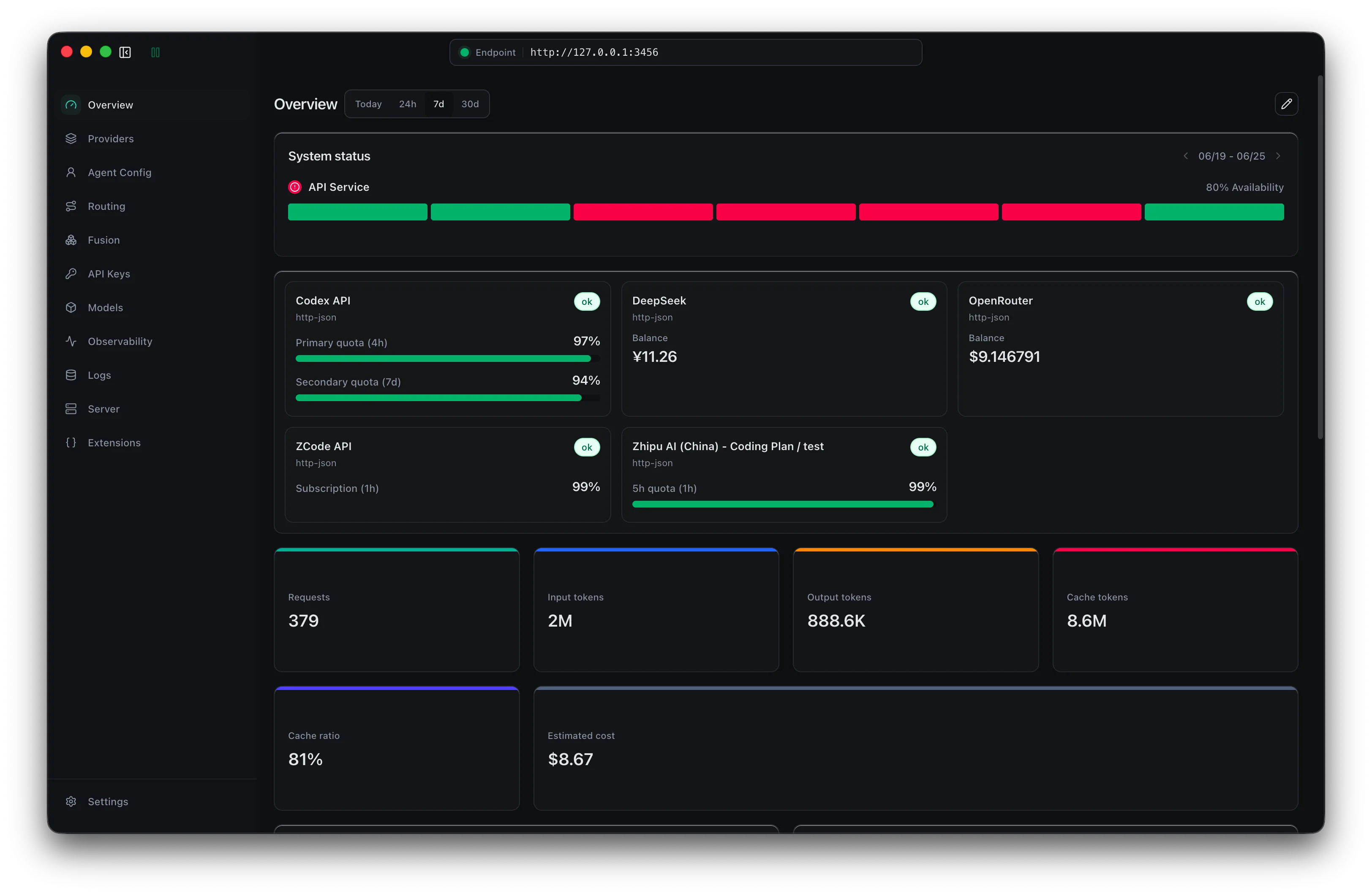
MIT-licensed local gateway and desktop control plane for routing Claude Code, Codex, Grok CLI, and compatible agents across model providers.

Open-source persistent memory and dependency-aware task graph for coding agents that need durable context across long-running repo work.
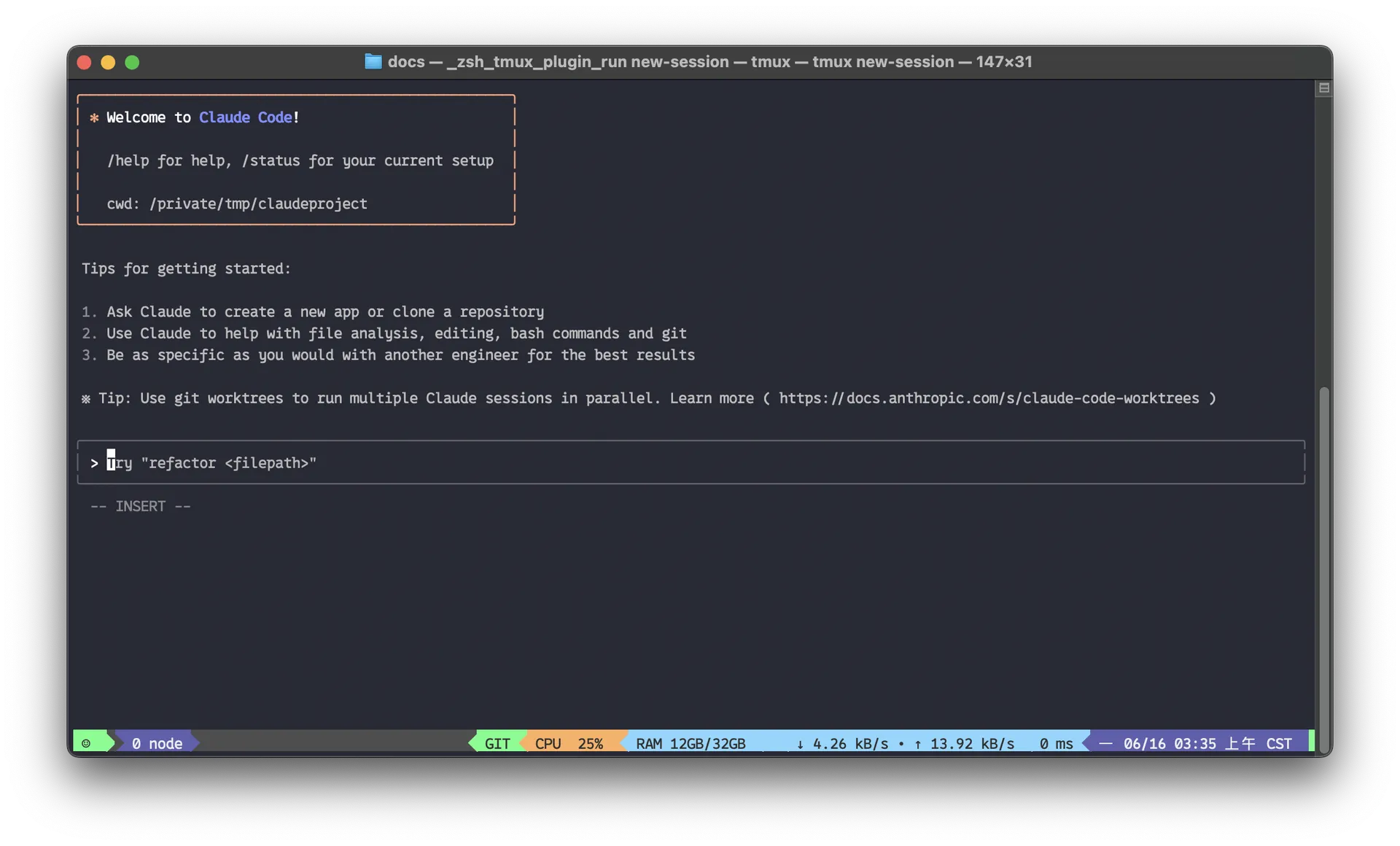
Anthropic’s agentic coding platform for terminal, IDE, desktop, web, CI, and code-review workflows.

Source-available VS Code and Cursor interface for Claude Code with checkpoints, inline diffs, history, permissions, and extension marketplaces.

Open-source terminal dashboard for tracking Claude Code token usage, burn rate, and predicted session cutoffs.
Documentation context layer that feeds up-to-date, version-specific library docs and code snippets into Cursor, Claude, and other coding agents.
Do one more comparison before you commit to context-mode
Strong picks usually survive one more internal check. Read deeper, compare a neighbor, then leave for the vendor page if the fit still holds.