
Agentlytics
Local analytics dashboard for AI coding agents that unifies sessions, costs, models, and tool usage across multiple editors.
Do not bounce yet
Read the fit check, compare one alternative, then decide whether the vendor page is still your best next click.
Quick Verdict
Fast fit check before you leave the page
Make the fit call first. Vendor pages are good at selling, but they rarely tell you where the product is a bad match.
- Developers who actively switch between multiple AI coding tools
- Teams trying to measure cost, usage, and workflow quality across agent surfaces
- Engineering leads who want observability before standardizing on a coding-agent stack
- It does not generate code itself, so value depends on already using AI coding tools heavily
- Current official support is centered on macOS, with Linux and Windows still on the roadmap
- Session parsing quality depends on how well each upstream editor exposes local history and token metadata
Compare Next
Take one more internal step before the vendor pitch
This is where visitors usually jump out too early. Read one deeper take or open one alternative so the next click is informed instead of impulsive.
Alternative profile
Claude Code Router
MIT-licensed local gateway and desktop control plane for routing Claude Code, Codex, Grok CLI, and compatible agents across model providers.
Alternative profile
Claude Code
Anthropic’s agentic coding platform for terminal, IDE, desktop, web, CI, and code-review workflows.
Alternative profile
Claude Code Chat
Source-available VS Code and Cursor interface for Claude Code with checkpoints, inline diffs, history, permissions, and extension marketplaces.
Agentlytics is a local analytics dashboard for developers who use multiple AI coding tools and are tired of flying blind. Instead of trying to replace Cursor, Claude Code, Codex, or Gemini CLI, it aggregates their session data into one place so teams can inspect usage, compare tools, search prior conversations, and understand where agent workflows are actually creating value.
Agentlytics is an open-source local analytics layer for AI coding workflows. Instead of being another coding agent, it helps developers understand what their agents are actually doing by aggregating session history, model usage, tools, costs, and project activity across products like Cursor, Windsurf, Claude Code, VS Code, Codex, Gemini CLI, and more. That makes it genuinely useful for teams running multi-agent workflows who need observability, search, and shared context instead of yet another thin wrapper around inference APIs.
Why Choose Agentlytics?
Most AI coding teams obsess over generation quality but ignore observability, which becomes a mistake the moment costs spread across multiple tools and nobody knows what is being used where.
Agentlytics is local-first and open source, which is the sane default when the raw material is your development history and agent transcripts.
Its value compounds as a stack grows: the more editors, agents, and models a team experiments with, the more useful unified analytics becomes.
Relay and MCP support make it more than a dashboard because teams can reuse selected session context instead of leaving insights trapped in private local histories.
Key Features
One-command local dashboard for AI coding agent analytics
Aggregates sessions, models, costs, tools, and projects across 16 supported editor or agent surfaces
Searches and inspects full conversation history instead of leaving session data siloed inside each tool
Relay mode shares selected session context across teams and exposes MCP access for AI clients
Runs locally with no cloud account requirement and keeps data on the user machine
Includes a lightweight Deno scan mode for sandboxed analytics without a full install flow
Pros & Cons
- Solves a real operational pain once teams use more than one coding agent and lose visibility into spend and behavior
- Open-source and local-first is a much stronger trust story than uploading every agent transcript to another SaaS
- Differentiated from the directory's many codegen tools because it focuses on observability and context instead of another chat surface
- Useful for comparing which coding tools actually earn their keep rather than buying on vibe alone
- It does not generate code itself, so value depends on already using AI coding tools heavily
- Current official support is centered on macOS, with Linux and Windows still on the roadmap
- Session parsing quality depends on how well each upstream editor exposes local history and token metadata
- Early-stage project risk remains: rapid iteration can change support coverage and ergonomics quickly
Detailed Use Cases for Agentlytics
Use Agentlytics to understand which coding agents, models, and projects are driving token usage and where your AI budget is actually going.
Search historical coding conversations across tools when you need to recover prior prompts, decisions, fixes, or experiment context.
Compare editor and agent behavior across teams before locking into one workflow based on hype rather than actual usage data.
Expose selected team session context through relay and MCP so AI clients can query useful history instead of starting from zero every time.
Who Should Use Agentlytics?
Developers who actively switch between multiple AI coding tools
Teams trying to measure cost, usage, and workflow quality across agent surfaces
Engineering leads who want observability before standardizing on a coding-agent stack
Infra-minded builders who prefer local-first tooling over uploading transcripts to another hosted analytics service
Perfect For
Auditing AI coding agent spend and usage across multiple tools
Searching historical coding sessions for prior decisions, prompts, or model outputs
Comparing which editors or agents are most effective for a team's workflow
Sharing selected agent session context across teammates through relay and MCP
Technical Details
Direct Competitors
Mem0
OpenViking
Claude Code
OpenCode
Similar Tools You Might Like
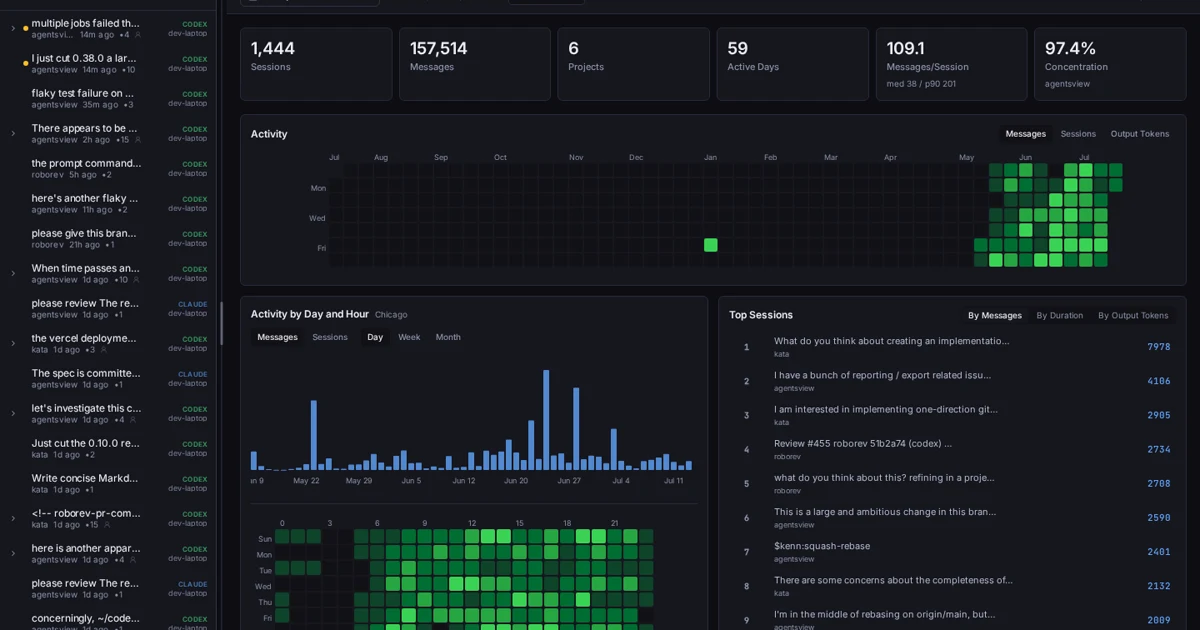
MIT-licensed local-first desktop, web, and CLI workspace for searching coding-agent sessions and analyzing activity, tokens, and costs across tools.
MIT-licensed state kernel and local control plane that keeps Codex, Claude Code, Cursor, OpenCode, and peer agent teams aligned on long-running goals.
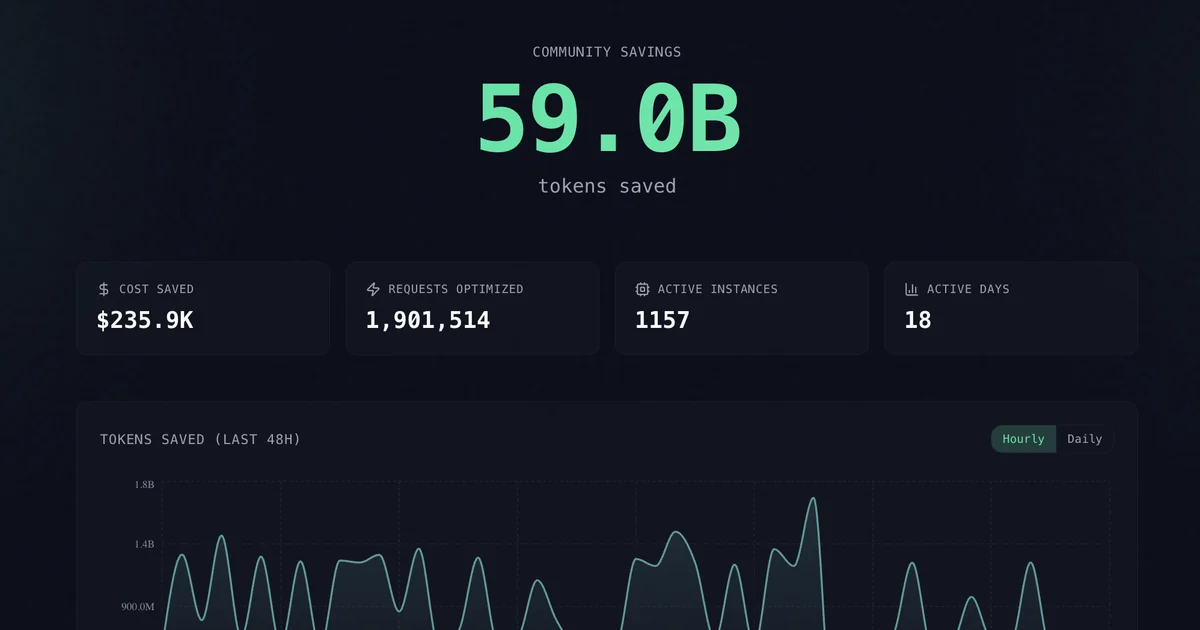
Apache-2.0 context-compression layer that wraps Claude Code, Codex, Cursor, OpenCode, and MCP clients so agents send fewer tool-output and history tokens.
Alternative Tools to Consider
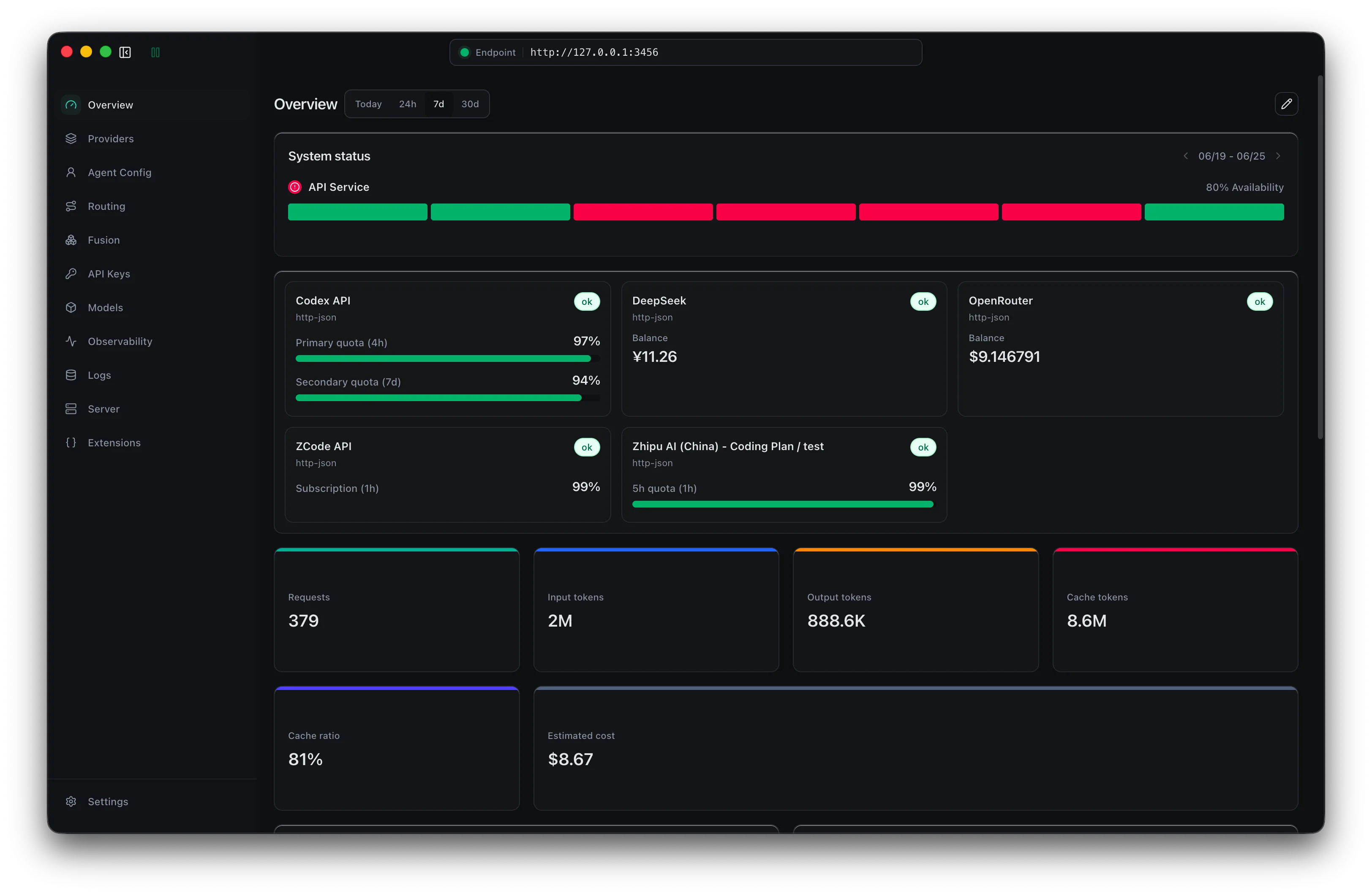
MIT-licensed local gateway and desktop control plane for routing Claude Code, Codex, Grok CLI, and compatible agents across model providers.
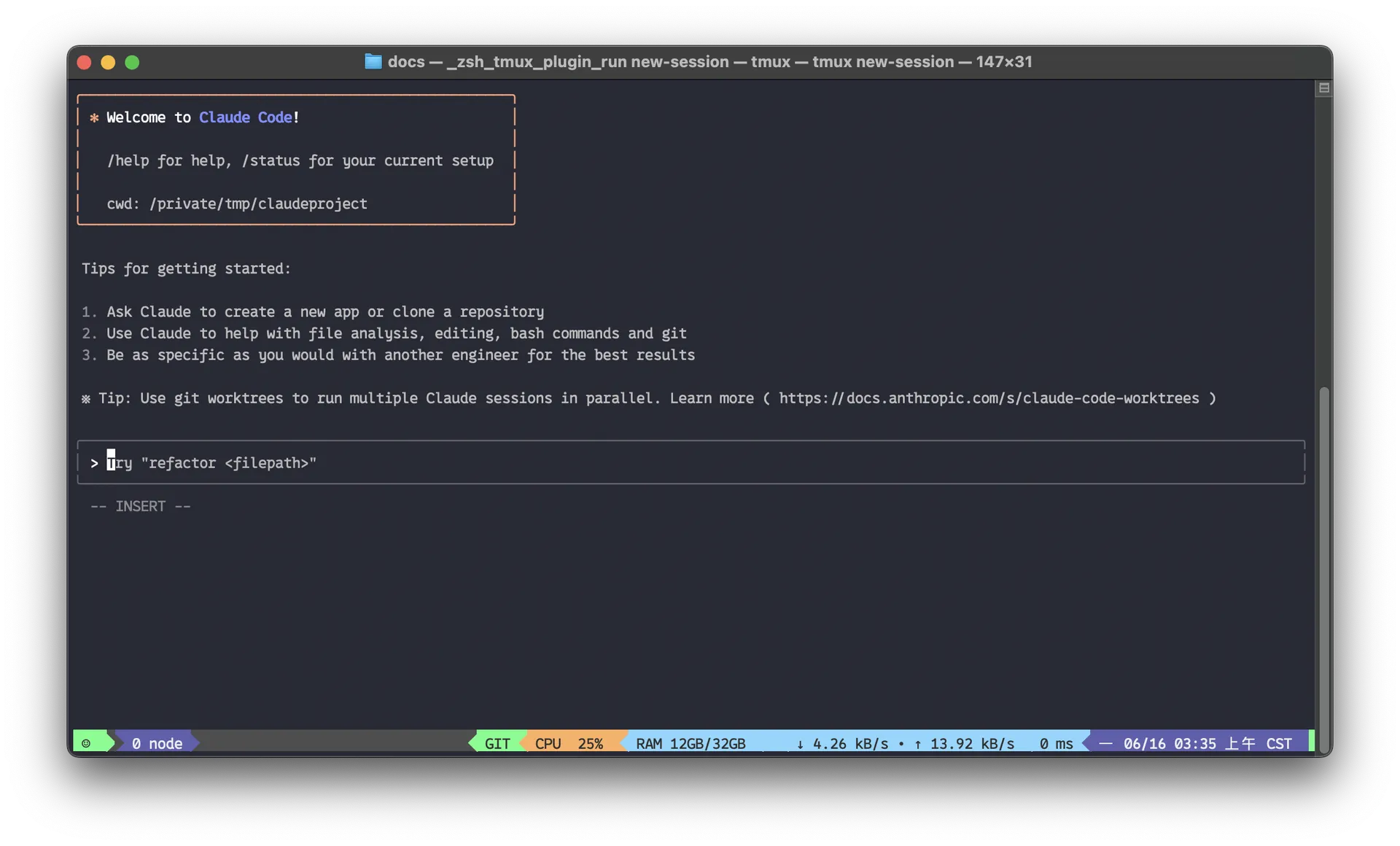
Anthropic’s agentic coding platform for terminal, IDE, desktop, web, CI, and code-review workflows.

Source-available VS Code and Cursor interface for Claude Code with checkpoints, inline diffs, history, permissions, and extension marketplaces.

Open-source terminal dashboard for tracking Claude Code token usage, burn rate, and predicted session cutoffs.

Universal memory layer for AI agents that adds persistent context, retrieval, and personalization to coding workflows.

MIT-licensed coding agent with terminal, desktop, web, and IDE clients, plus reusable Agent Skills and provider-agnostic model support.
Do one more comparison before you commit to Agentlytics
Strong picks usually survive one more internal check. Read deeper, compare a neighbor, then leave for the vendor page if the fit still holds.