
Hermes Agent
Open-source agent platform with persistent memory, reusable skills, subagent delegation, scheduled automations, and coding tools across CLI, desktop, and messaging channels.
Do not bounce yet
Read the fit check, compare one alternative, then decide whether the vendor page is still your best next click.
Quick Verdict
Fast fit check before you leave the page
Make the fit call first. Vendor pages are good at selling, but they rarely tell you where the product is a bad match.
- Developers building repeatable agent-assisted coding workflows across multiple repositories
- Teams evaluating self-hosted or model-agnostic agent infrastructure
- Power users who want persistent memory, reusable skills, delegation, and scheduled automation
- Broad tool access increases the impact of prompt injection, malicious repositories, compromised extensions, or over-broad credentials.
- The project changes rapidly, so configuration and provider integrations can move between releases.
- The latest stable GitHub source release has no binary assets and PyPI trails it.
Compare Next
Take one more internal step before the vendor pitch
This is where visitors usually jump out too early. Read one deeper take or open one alternative so the next click is informed instead of impulsive.
Alternative profile
Claude Code Router
MIT-licensed local gateway and desktop control plane for routing Claude Code, Codex, Grok CLI, and compatible agents across model providers.
Alternative profile
Claude Code
Anthropic’s agentic coding platform for terminal, IDE, desktop, web, CI, and code-review workflows.
Alternative profile
Claude Code Chat
Source-available VS Code and Cursor interface for Claude Code with checkpoints, inline diffs, history, permissions, and extension marketplaces.
Hermes Agent is a broad, open-source agent environment for developers who want more than a single coding chat. It combines repository tools, persistent memory, reusable skills, session search, isolated subagents, scheduled automation, browser and desktop control, and messaging gateways in one system. That makes it a strong fit for repeatable vibe coding workflows, but also raises the security stakes: credentials, command approvals, extension trust, sandboxing, provider policies, and unattended execution all need deliberate configuration. The distribution story also deserves care because the latest stable GitHub source release is newer than PyPI and ships without GitHub binary assets.
Hermes Agent is an MIT-licensed agent platform from Nous Research for long-running coding and knowledge work. Its terminal and desktop clients combine file and shell tools, persistent memory, reusable skills, session search, isolated subagents, scheduled jobs, MCP integrations, browser and computer control, and messaging gateways. It supports hosted or self-hosted model providers rather than locking users to one model. The platform is powerful and broad, so teams should treat command approval, protected instruction files, sandboxing, provider data policies, and plugin or MCP trust as deployment requirements. The latest verified stable source release is v0.21.0 (v2026.8.31); GitHub publishes no binaries for that tag, while PyPI still lists 0.19.0, so users should verify the intended installation channel.
Why Choose Hermes Agent?
Choose Hermes Agent when coding work should accumulate durable memory and reusable procedures instead of restarting from a blank chat.
Use delegation and scheduled jobs for multi-step repository maintenance, research, testing, and recurring automation.
Adopt it when model-provider choice, self-hosting, messaging access, and inspectable MIT-licensed source matter.
Deploy cautiously with least-privilege credentials, protected instructions, approval gates, trusted extensions, and isolated workspaces.
Key Features
Persists agent-curated memory and searchable session history across conversations.
Creates and maintains reusable skills so successful procedures can improve over time.
Delegates work to isolated subagents and supports parallel workstreams.
Runs scheduled automations with delivery, continuity, and durable job context.
Provides configurable file, shell, browser, computer-use, vision, and research toolsets.
Connects through CLI, desktop, Telegram, Discord, Slack, WhatsApp, Signal, and other gateways.
Supports hosted and self-hosted model providers plus MCP servers and plugins.
Pros & Cons
- Combines coding execution, memory, skills, delegation, and scheduling in one inspectable open-source agent.
- Works across local machines, remote hosts, containers, and several messaging surfaces.
- Model-provider flexibility reduces dependence on a single vendor or subscription.
- Active development, extensive documentation, an MIT license, and Hacker News discussion make the project unusually inspectable.
- Broad tool access increases the impact of prompt injection, malicious repositories, compromised extensions, or over-broad credentials.
- The project changes rapidly, so configuration and provider integrations can move between releases.
- The latest stable GitHub source release has no binary assets and PyPI trails it.
- Large issue and pull-request queues make raw activity metrics difficult to interpret as maintenance quality.
- Model/API, cloud-browser, hosting, and optional service costs remain separate from the free software.
Detailed Use Cases for Hermes Agent
Carry durable preferences, project knowledge, and searchable session history across coding sessions.
Capture successful procedures as reusable skill files that can be maintained as tools and environments change.
Split research, implementation, debugging, and review into isolated subagent workstreams.
Run scheduled audits, reports, data collection, and repository tasks with durable job context and messaging delivery.
Who Should Use Hermes Agent?
Developers building repeatable agent-assisted coding workflows across multiple repositories
Teams evaluating self-hosted or model-agnostic agent infrastructure
Power users who want persistent memory, reusable skills, delegation, and scheduled automation
Operators comfortable securing a tool-capable agent with explicit approvals and least privilege
Perfect For
Run a terminal-first coding agent that can inspect, edit, execute, and verify repository work.
Preserve project conventions and learned procedures through durable memory and skills.
Delegate research, debugging, review, and implementation to isolated subagents.
Schedule recurring repository maintenance, monitoring, reports, or data collection.
Operate an always-on personal or team agent through a self-hosted gateway.
Technical Details
Direct Competitors
OpenClaw
OpenHands
OpenCode
Claude Code
Codex CLI
Similar Tools You Might Like
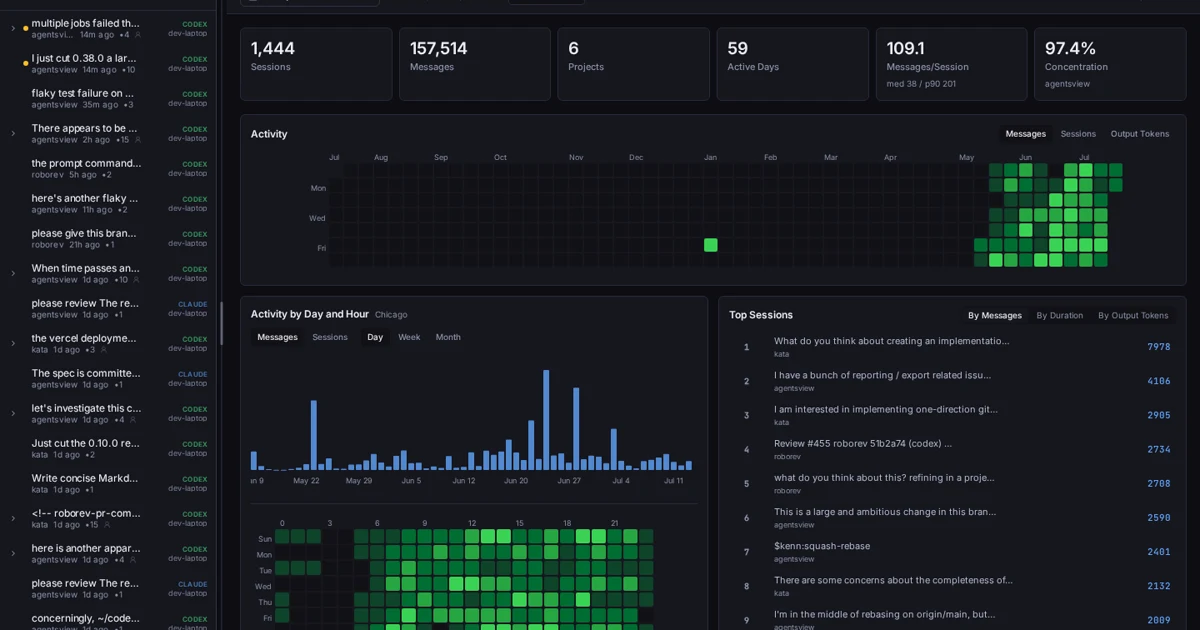
MIT-licensed local-first desktop, web, and CLI workspace for searching coding-agent sessions and analyzing activity, tokens, and costs across tools.
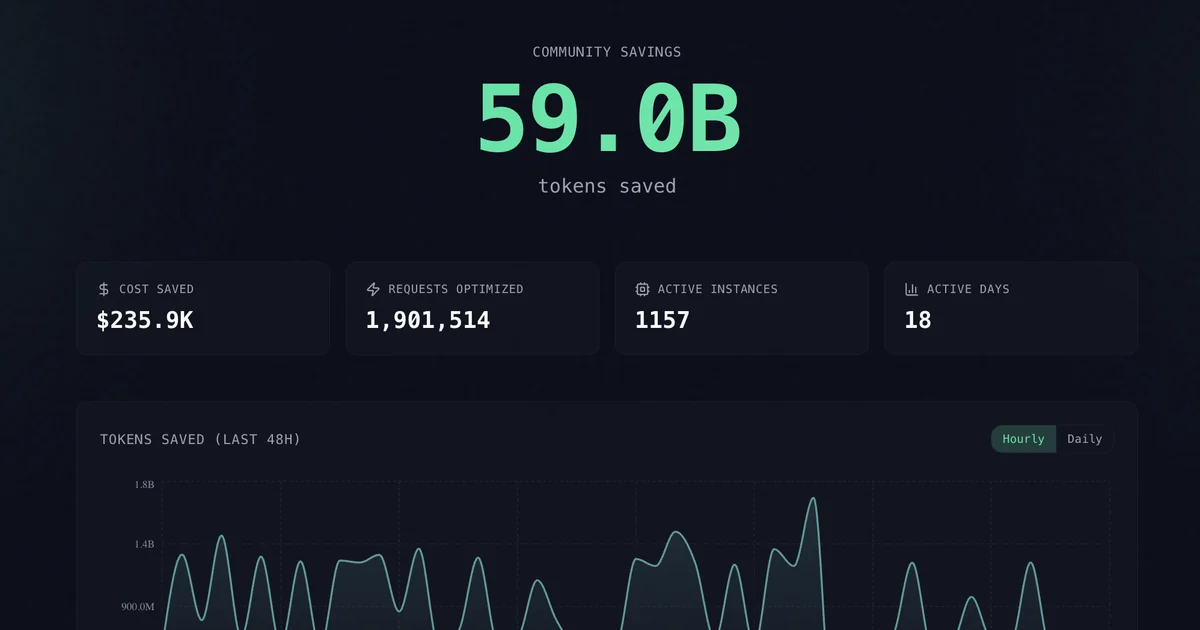
Apache-2.0 context-compression layer that wraps Claude Code, Codex, Cursor, OpenCode, and MCP clients so agents send fewer tool-output and history tokens.
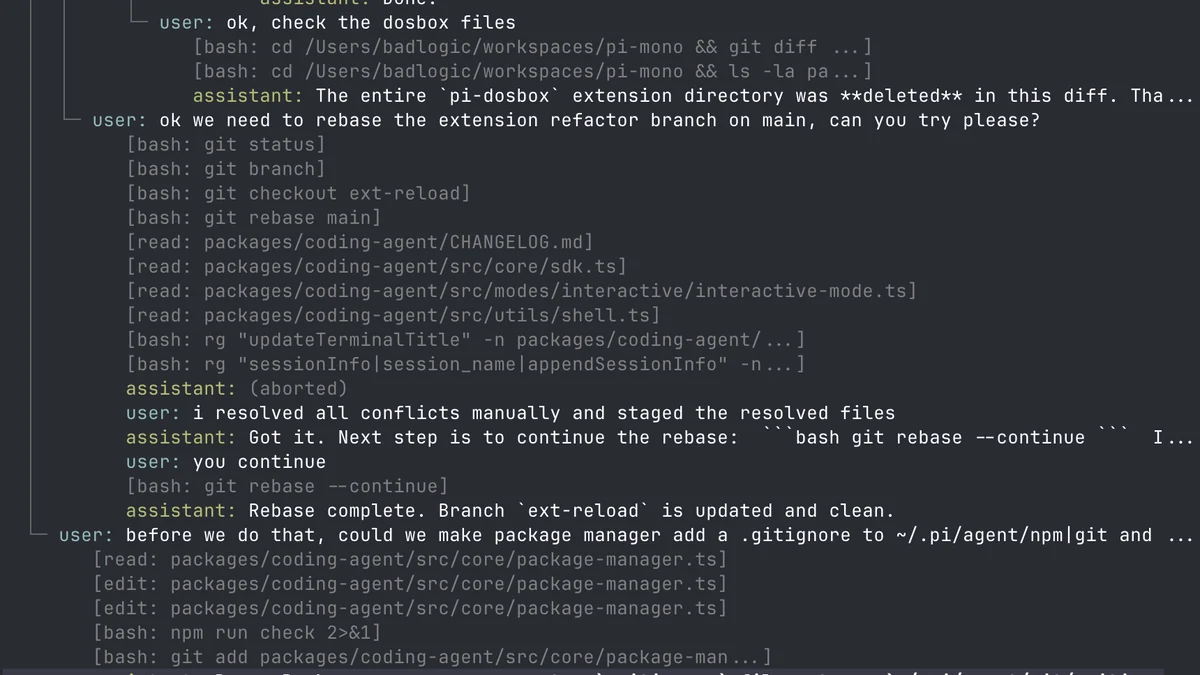
MIT-licensed RLM coding and research agent with a persistent IPython control plane, recursive subagents, durable sessions, schedules, goals, and bounded autonomous runs.
Alternative Tools to Consider
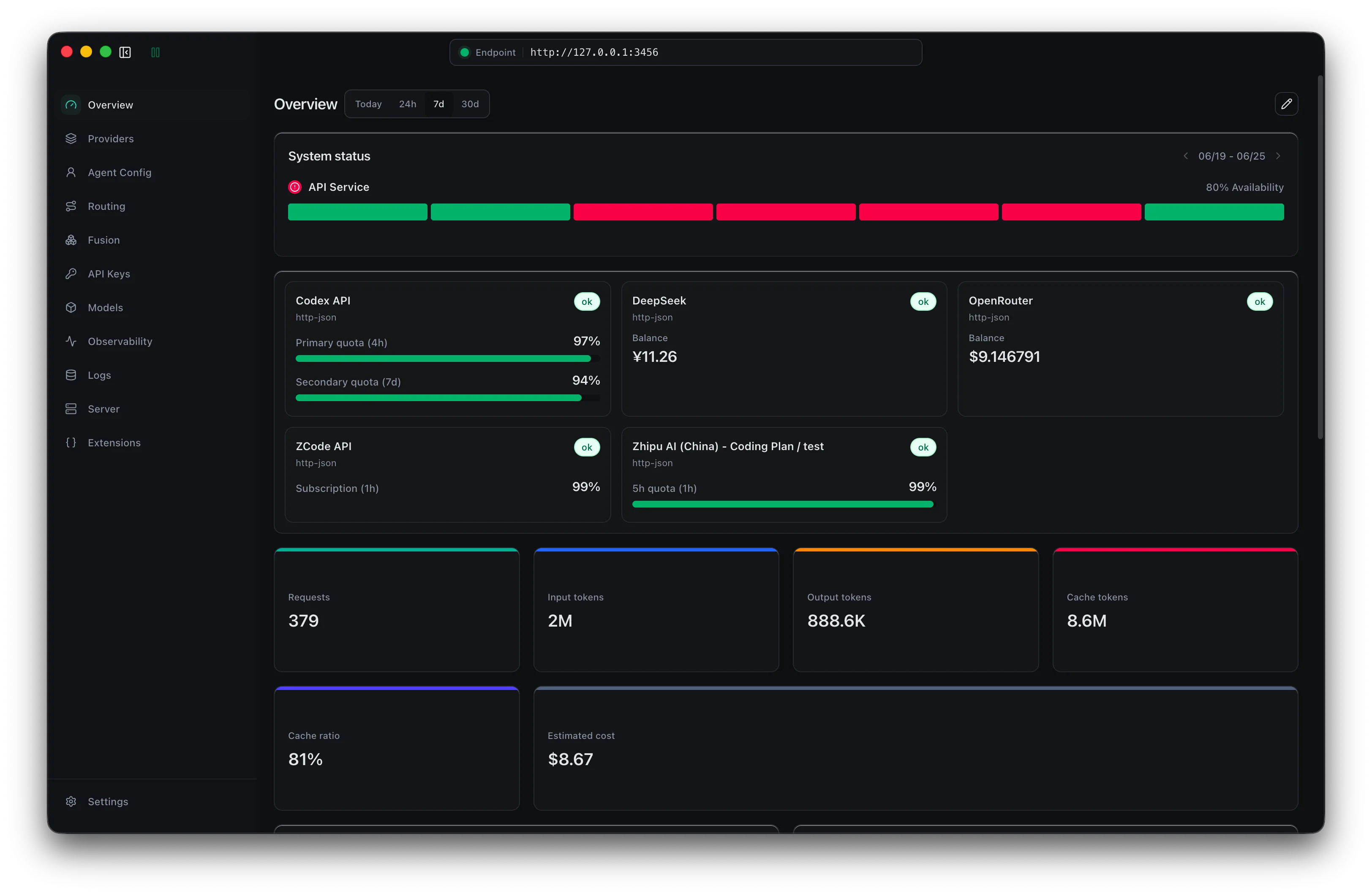
MIT-licensed local gateway and desktop control plane for routing Claude Code, Codex, Grok CLI, and compatible agents across model providers.
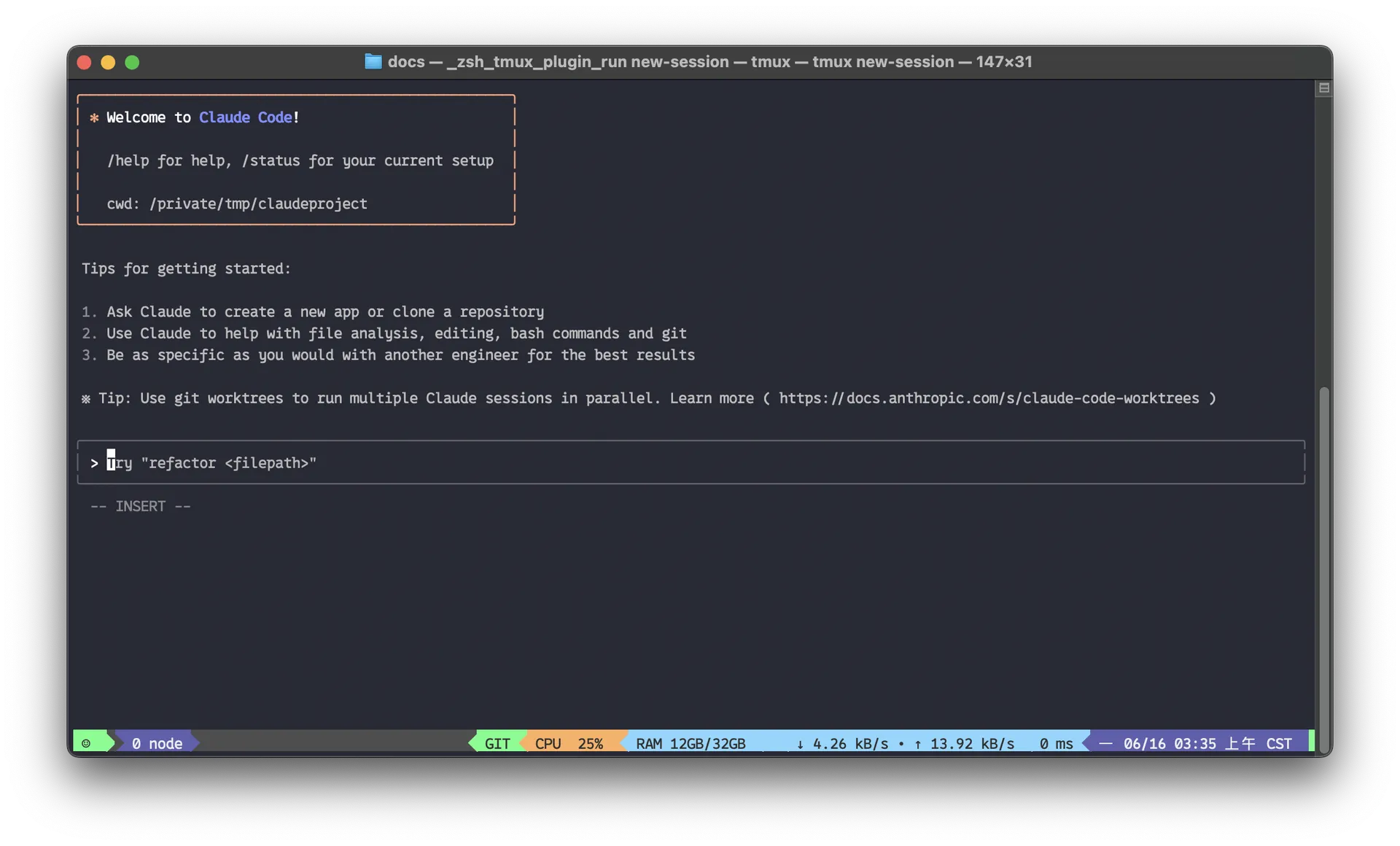
Anthropic’s agentic coding platform for terminal, IDE, desktop, web, CI, and code-review workflows.

Source-available VS Code and Cursor interface for Claude Code with checkpoints, inline diffs, history, permissions, and extension marketplaces.

Open-source terminal dashboard for tracking Claude Code token usage, burn rate, and predicted session cutoffs.

Open-source macOS desktop UI for orchestrating Claude Code and OpenAI Codex with local CLI auth and parallel threads.

MIT-licensed coding agent with terminal, desktop, web, and IDE clients, plus reusable Agent Skills and provider-agnostic model support.
Do one more comparison before you commit to Hermes Agent
Strong picks usually survive one more internal check. Read deeper, compare a neighbor, then leave for the vendor page if the fit still holds.