
Open SWE
Open-source asynchronous coding-agent framework for turning issues and threads into sandboxed engineering runs and reviewable pull requests.
Do not bounce yet
Read the fit check, compare one alternative, then decide whether the vendor page is still your best next click.
Quick Verdict
Fast fit check before you leave the page
Make the fit call first. Vendor pages are good at selling, but they rarely tell you where the product is a bad match.
- Engineering teams building or evaluating internal coding agents
- Platform teams that want issue-to-PR automation with cloud sandbox isolation
- Builders comparing Open SWE vs OpenHands, Devin, Claude Code, and other serious agentic coding tools
- This is a framework to build or self-host, not a frictionless beginner product, so evaluation is heavier than trying an IDE plugin
- The hosted URL cited in launch materials returned a deployment-not-found page during this review, which weakens confidence in the public SaaS story
- Practical usage still depends on external model keys, sandbox infrastructure, and operational discipline around permissions and repo access
Compare Next
Take one more internal step before the vendor pitch
This is where visitors usually jump out too early. Read one deeper take or open one alternative so the next click is informed instead of impulsive.
Alternative profile
Claude Code Router
MIT-licensed local gateway and desktop control plane for routing Claude Code, Codex, Grok CLI, and compatible agents across model providers.
Alternative profile
Claude Code
Anthropic’s agentic coding platform for terminal, IDE, desktop, web, CI, and code-review workflows.
Alternative profile
Claude Code Chat
Source-available VS Code and Cursor interface for Claude Code with checkpoints, inline diffs, history, permissions, and extension marketplaces.
Open SWE is an open-source asynchronous coding-agent framework for teams that want more than a local editor chatbot. It is designed around long-running engineering work: spin up an isolated sandbox, hydrate the agent with issue and repo context, let it plan and execute, then bring back a reviewable pull request instead of an impressive-looking transcript.
Open SWE is a serious open-source framework for teams that want cloud-executed coding agents instead of babysitting an IDE chat pane. It is built around asynchronous engineering work: each task runs inside an isolated sandbox, can fan out to subagents, pulls in repo and issue context, and is expected to come back with a plan, code changes, validation, and a pull request. That makes it materially relevant to vibe coding and agentic development, especially for teams comparing hosted async agents like Devin or OpenHands against a self-hosted stack they can customize around GitHub, Slack, and Linear.
Why Choose Open SWE?
Choose Open SWE if you want coding-agent infrastructure that is architected around async execution, sandboxes, and reviewable PR output rather than just autocomplete or prompt-driven file edits.
It is especially relevant for platform and infra-minded teams that want to customize tools, middleware, prompts, and invocation paths instead of renting a sealed hosted black box.
The GitHub, Slack, and Linear workflow story makes it a better fit for real team operations than products that only live inside one editor window.
The open-source MIT license and strong public traction make it worth evaluating despite the heavier setup burden.
Key Features
Asynchronous issue-to-PR workflow instead of forcing everything through a synchronous IDE chat loop
Isolated cloud sandboxes for each task, with repo cloning, shell access, and contained blast radius
Subagent orchestration plus middleware hooks for follow-up messages, safety nets, and deterministic checks
Slack, Linear, and GitHub invocation paths so the agent can meet teams where work already starts
Built on LangGraph and Deep Agents rather than a closed proprietary runtime, which makes customization more realistic
Explicit plan-review and mid-run interruption flows so humans can steer the agent without restarting from scratch
Pros & Cons
- Open SWE is much closer to real coding-agent infrastructure than to prompt-theater wrappers, which makes it a meaningful addition to this directory
- The architecture is opinionated in the right ways: sandbox first, curated tools, async execution, and PR-oriented output
- Open-source MIT licensing matters for teams that want to own the stack instead of renting a black box forever
- Public traction across GitHub, Hacker News, and LangChain channels suggests genuine market relevance rather than launch-week noise
- This is a framework to build or self-host, not a frictionless beginner product, so evaluation is heavier than trying an IDE plugin
- The hosted URL cited in launch materials returned a deployment-not-found page during this review, which weakens confidence in the public SaaS story
- Practical usage still depends on external model keys, sandbox infrastructure, and operational discipline around permissions and repo access
- Teams that just want autocomplete or a simple local terminal agent may find Open SWE overbuilt for their needs
Detailed Use Cases for Open SWE
Use Open SWE when you want a coding agent to pick up GitHub issues or ticket-like work, plan in context, run inside a sandbox, and return a PR instead of a loose code snippet.
If your team cares about permissions, customization, and infrastructure control, Open SWE gives you a more inspectable base than proprietary async coding agents.
Open SWE is useful when engineering tasks start in Slack, Linear, or GitHub and you want the agent to live in that workflow instead of forcing everyone back into one IDE.
Who Should Use Open SWE?
Engineering teams building or evaluating internal coding agents
Platform teams that want issue-to-PR automation with cloud sandbox isolation
Builders comparing Open SWE vs OpenHands, Devin, Claude Code, and other serious agentic coding tools
Developers who care about customizing orchestration and safety layers instead of accepting vendor defaults
Perfect For
Build an internal async coding agent that can turn GitHub issues, Slack threads, or Linear tickets into reviewable pull requests
Run cloud-sandboxed engineering tasks where isolation, auditability, and follow-up steering matter more than raw chat speed
Compare self-hosted coding-agent architecture against hosted options like Devin or source-available platforms like OpenHands
Customize a coding-agent stack with org-specific prompts, tools, middleware, and safety checks instead of accepting vendor defaults
Technical Details
Direct Competitors
OpenHands
Devin
Claude Code
OpenCode
Similar Tools You Might Like
MIT-licensed team memory hub that turns agent conversations, documents, and code into governed Chat Memory, Skills, Wiki, and CodeGraph assets.
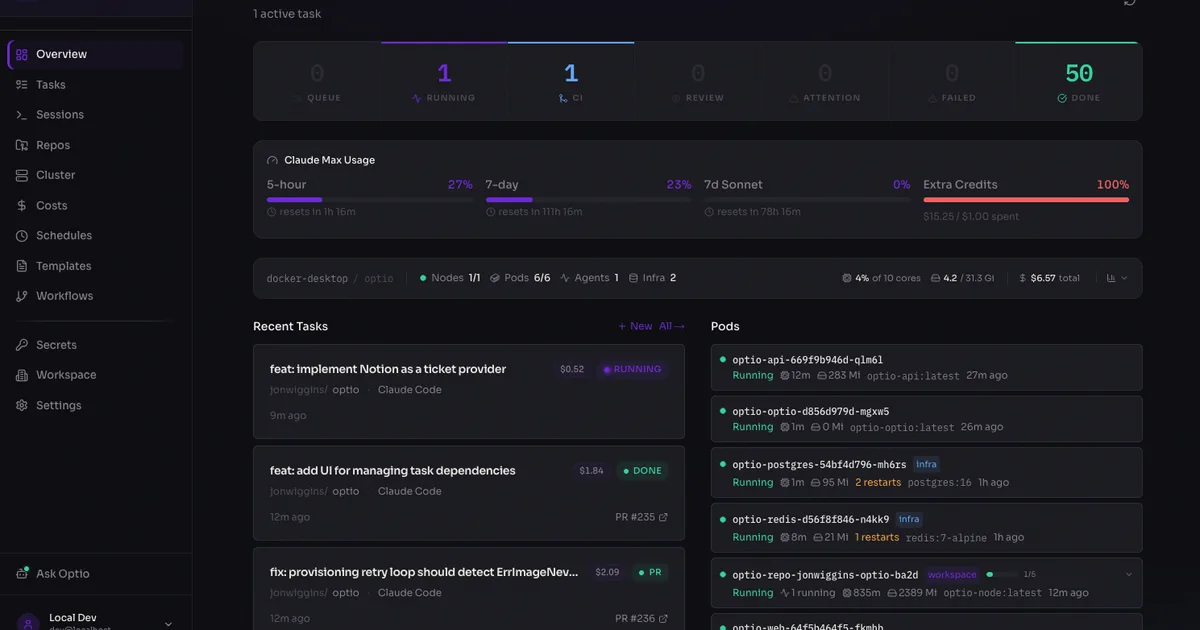
MIT-licensed self-hosted AI engineering platform that runs Claude Code, Codex, Copilot, Gemini, and OpenCode agents in Kubernetes from tickets to PRs.

Browser-based code intelligence engine that turns repositories into an interactive knowledge graph with Graph RAG assistance.
Alternative Tools to Consider
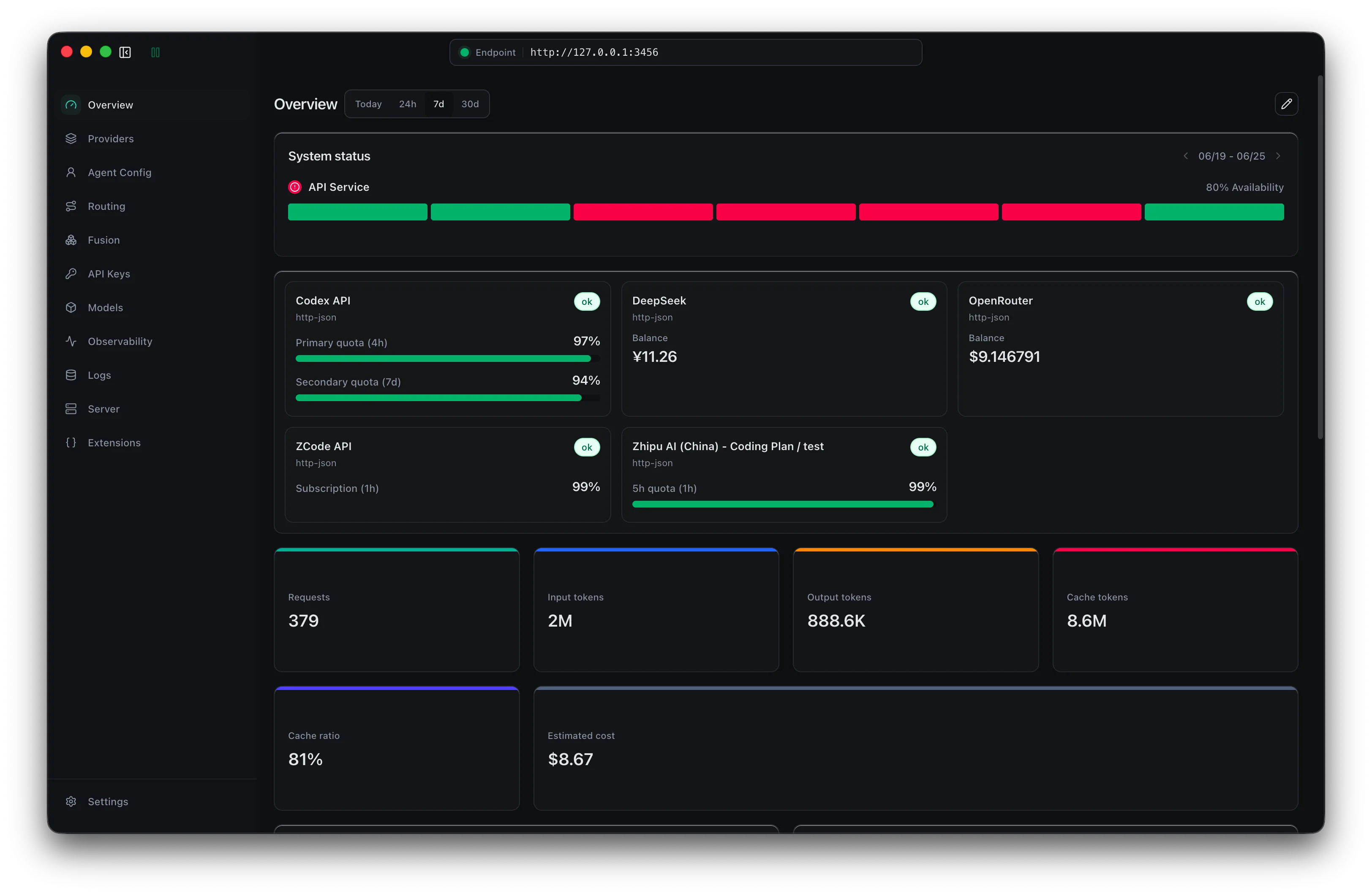
MIT-licensed local gateway and desktop control plane for routing Claude Code, Codex, Grok CLI, and compatible agents across model providers.
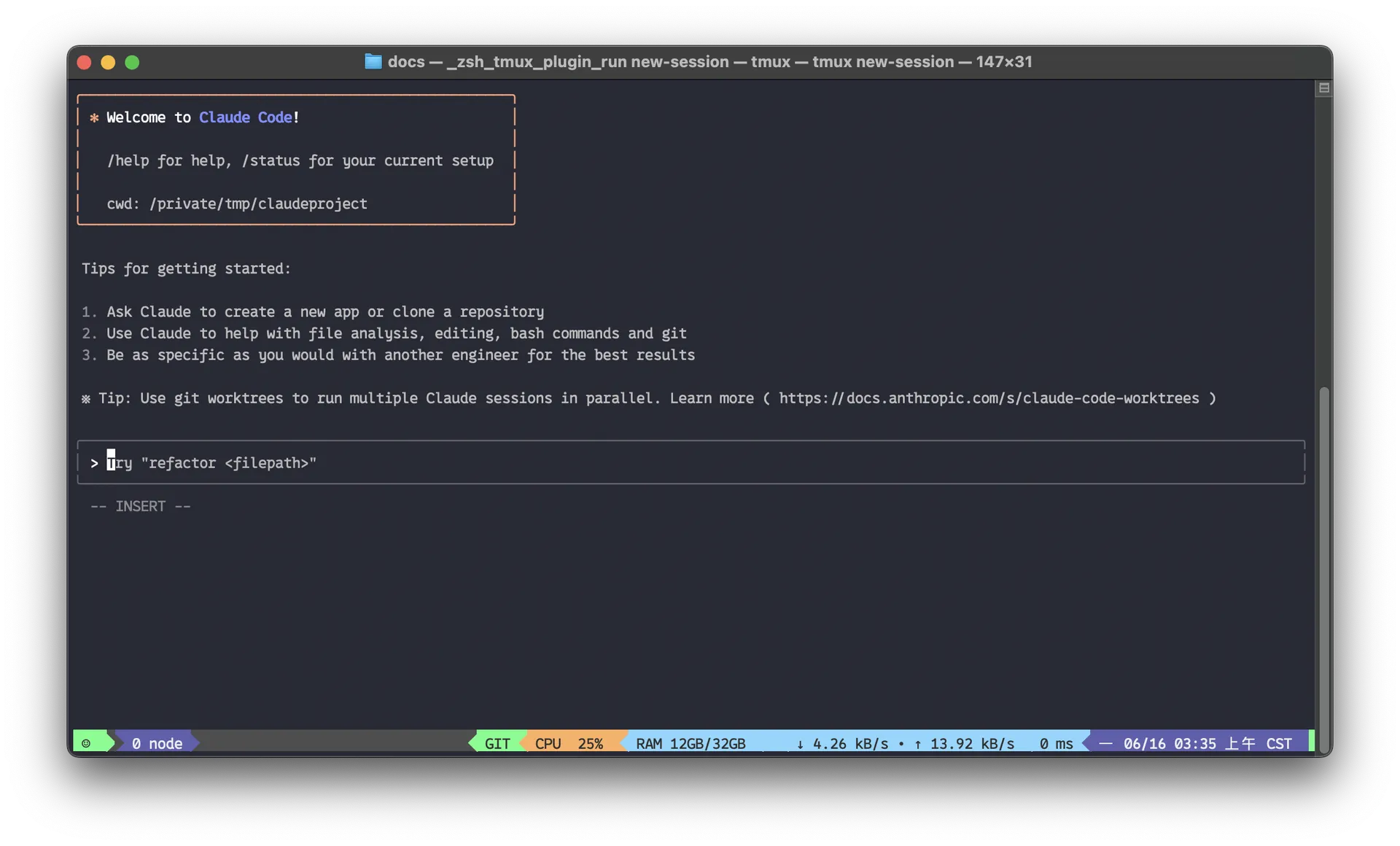
Anthropic’s agentic coding platform for terminal, IDE, desktop, web, CI, and code-review workflows.

Source-available VS Code and Cursor interface for Claude Code with checkpoints, inline diffs, history, permissions, and extension marketplaces.

Open-source terminal dashboard for tracking Claude Code token usage, burn rate, and predicted session cutoffs.

Cloud-executed AI software engineer that takes repository tasks from prompt to tested diff and pull request.

MIT-licensed coding agent with terminal, desktop, web, and IDE clients, plus reusable Agent Skills and provider-agnostic model support.
Do one more comparison before you commit to Open SWE
Strong picks usually survive one more internal check. Read deeper, compare a neighbor, then leave for the vendor page if the fit still holds.