
OpenSpec
Open-source spec-driven framework that adds lightweight proposal, design, task, and archive workflows to modern coding agents.
Do not bounce yet
Read the fit check, compare one alternative, then decide whether the vendor page is still your best next click.
Quick Verdict
Fast fit check before you leave the page
Make the fit call first. Vendor pages are good at selling, but they rarely tell you where the product is a bad match.
- Developers using Claude Code, Codex, Cursor, or Copilot who want a lightweight planning layer
- Small teams trying to keep AI-assisted changes reviewable in existing repositories
- Founders moving beyond pure vibe coding but unwilling to adopt heavy process overhead
- It still adds process overhead compared with raw prompt-and-ship vibe coding.
- Teams only benefit if they keep specs, design notes, and tasks honest instead of letting them become decorative markdown.
- Slash-command conventions can feel unnatural if your group wants plain natural-language prompting for everything.
Compare Next
Take one more internal step before the vendor pitch
This is where visitors usually jump out too early. Read one deeper take or open one alternative so the next click is informed instead of impulsive.
Related article
OpenSpec Review 2026: Workflow, Pricing, Alternatives, and Setup
A practical OpenSpec review covering its spec-driven workflow, OPSX commands, installation, pricing, tradeoffs, GitHub traction, and alternatives.
Alternative profile
AWS Kiro
Spec-driven AI IDE and CLI from AWS that turns prompts into requirements, tasks, and production-oriented implementation workflows.
Alternative profile
Claude Code
Anthropic’s agentic coding platform for terminal, IDE, desktop, web, CI, and code-review workflows.
Alternative profile
Spec Kit
GitHub's MIT-licensed toolkit for turning requirements into specs, plans, tasks, and implementation workflows across 30+ AI coding agents.
OpenSpec exists for developers who enjoy agentic coding but are tired of pretending chat history is a durable planning system. Instead of jumping from vague prompt to code diff, it creates a lightweight project structure around proposal, specs, design, tasks, implementation, and archive flows. That makes it interesting for teams that want clearer intent and saner review without fully buying into a heavyweight process framework.
OpenSpec is a lightweight spec layer for developers who like coding agents but do not want important implementation intent trapped in chat history. It installs a CLI plus agent-facing commands and project scaffolding so each change can move through proposal, specs, design, tasks, implementation, and archive workflows without locking you into one IDE or one model vendor. Because it supports tools like Claude Code, Codex, Cursor, and GitHub Copilot while staying lighter and more iterative than heavyweight planning frameworks, OpenSpec is a credible fit for teams that want more discipline than raw vibe coding without turning software delivery into ceremony.
Why Choose OpenSpec?
Choose OpenSpec when you want more structure than raw vibe coding but less ceremony than heavier spec-first systems.
Its cross-agent posture matters because the official project supports Claude Code, Cursor, Codex, GitHub Copilot, and many more tools instead of locking you to one IDE.
The change-folder model makes review easier because requirements and design deltas stop living only in chat logs.
OpenSpec is built for iterative work on real repositories, which is more useful than a workflow that only looks good in greenfield demos.
Key Features
Use openspec init and openspec update to scaffold or refresh a project-local spec workflow instead of improvising everything in one chat thread.
Run a lightweight artifact flow around proposal, specs, design, tasks, implementation, and archive steps through OpenSpec command surfaces such as /opsx:propose, /opsx:apply, and /opsx:archive.
Keep each change in its own folder so requirement deltas and technical intent stay reviewable instead of disappearing into agent session history.
Work across Claude Code, Cursor, Codex, GitHub Copilot, and many other supported coding agents rather than tying your workflow to one IDE vendor.
Switch between lighter and expanded workflows, with community schemas for teams that want deeper customization without forking the project.
Ship under the MIT license with public docs, npm installability, Discord support, and active upstream iteration.
Pros & Cons
- Much lighter and more iterative than heavyweight spec frameworks that bury teams in phase-gate ceremony.
- Cross-agent support reduces vendor lock-in and makes it easier to standardize workflow across mixed tool stacks.
- Reviewers get explicit change intent and spec deltas instead of being forced to infer everything from code diffs alone.
- The open-source traction is real enough to take seriously, not just admire for a weekend and forget.
- It still adds process overhead compared with raw prompt-and-ship vibe coding.
- Teams only benefit if they keep specs, design notes, and tasks honest instead of letting them become decorative markdown.
- Slash-command conventions can feel unnatural if your group wants plain natural-language prompting for everything.
- OpenSpec is a planning layer, not the execution engine itself, so output quality still depends on the underlying coding agent and model.
Detailed Use Cases for OpenSpec
Use OpenSpec when an existing repository needs a non-trivial change and you want proposal, requirement, design, and task artifacts before implementation starts.
Because OpenSpec works across multiple coding agents, teams can keep one lightweight process even when different developers prefer different AI tools.
OpenSpec helps PR reviewers understand what a change is supposed to do, not just what lines moved in the diff.
It is a better fit than heavier frameworks when you want some discipline and traceability without turning every change into a slow enterprise ritual.
Who Should Use OpenSpec?
Developers using Claude Code, Codex, Cursor, or Copilot who want a lightweight planning layer
Small teams trying to keep AI-assisted changes reviewable in existing repositories
Founders moving beyond pure vibe coding but unwilling to adopt heavy process overhead
Technical leads who want specs, tasks, and implementation intent connected to each meaningful change
Open-source users who prefer vendor-agnostic workflow tooling over one-vendor lock-in
Perfect For
Planning brownfield changes where hidden intent and fuzzy requirements keep causing rework.
Standardizing one lightweight workflow across Claude Code, Codex, Cursor, Copilot, and other supported coding agents.
Improving pull-request review by attaching proposal, requirement, and design context to each meaningful change.
Giving founders and small teams more discipline than freeform vibe coding without forcing a heavyweight process regime.
Technical Details
Direct Competitors
Spec Kit
AWS Kiro
SuperClaude
Claude Code with custom project rules
Similar Tools You Might Like
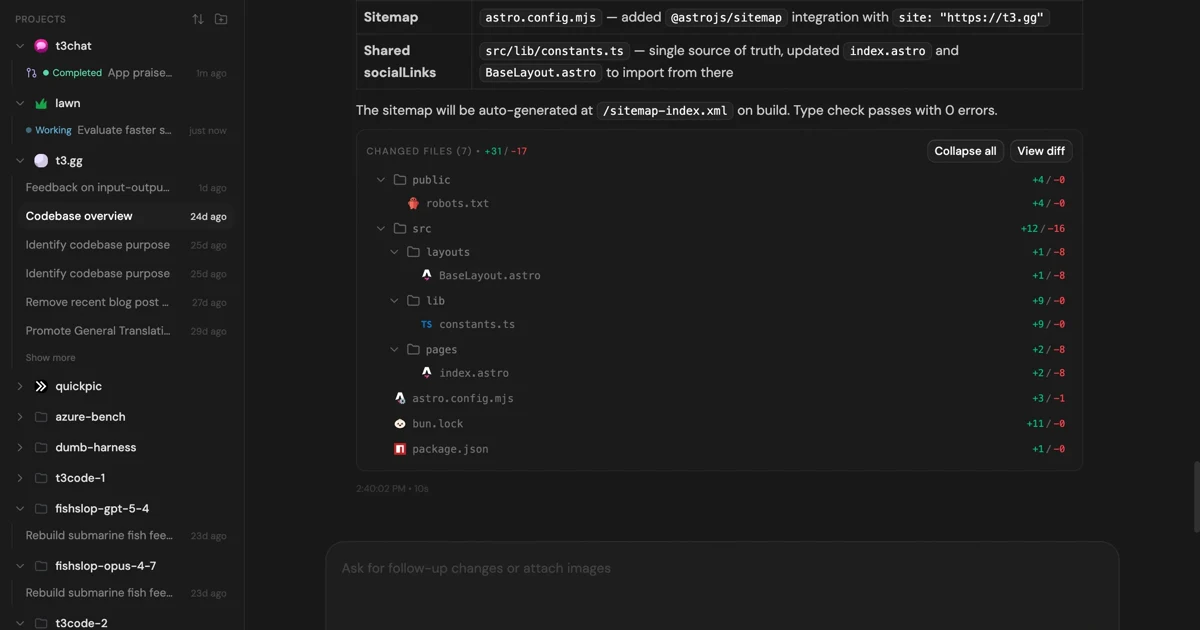
MIT-licensed control plane for running Claude Code, Codex, Cursor, Grok, and OpenCode threads from desktop, web, iOS, and Android clients.
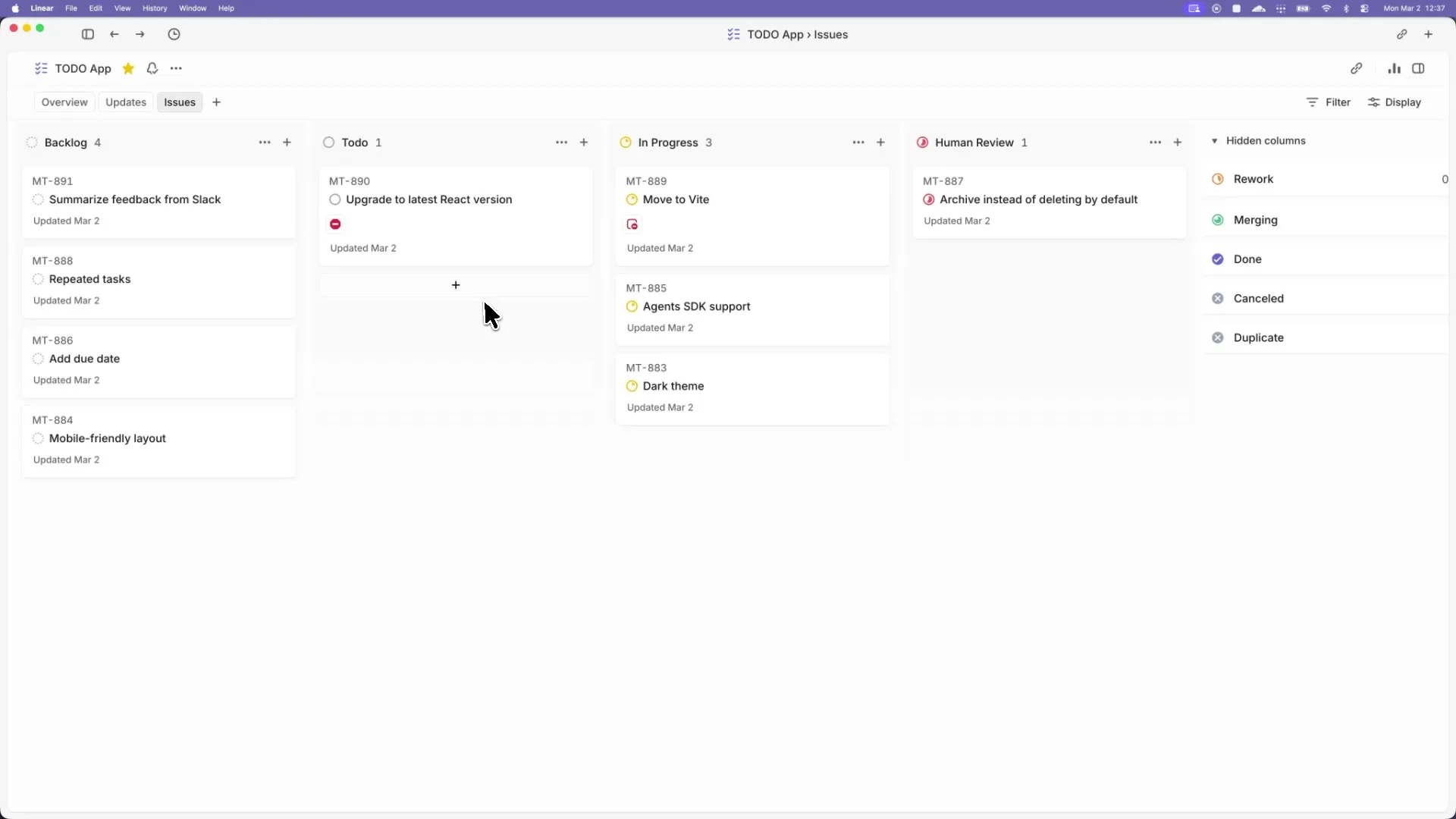
Apache-2.0 Codex orchestration spec and Elixir preview that turns tracker issues into isolated, long-running agent implementation runs.
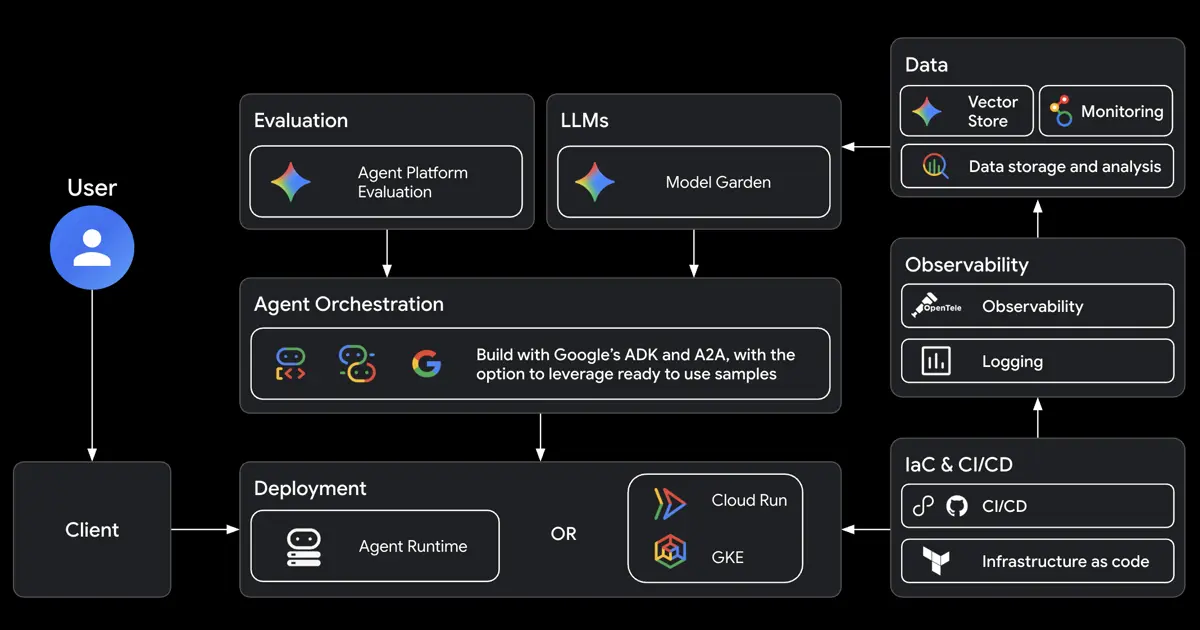
Google open-source CLI and skill bundle that teaches Claude Code, Codex, Antigravity, and other coding agents to build, evaluate, deploy, and publish ADK agents on Google Cloud.
Alternative Tools to Consider

Spec-driven AI IDE and CLI from AWS that turns prompts into requirements, tasks, and production-oriented implementation workflows.
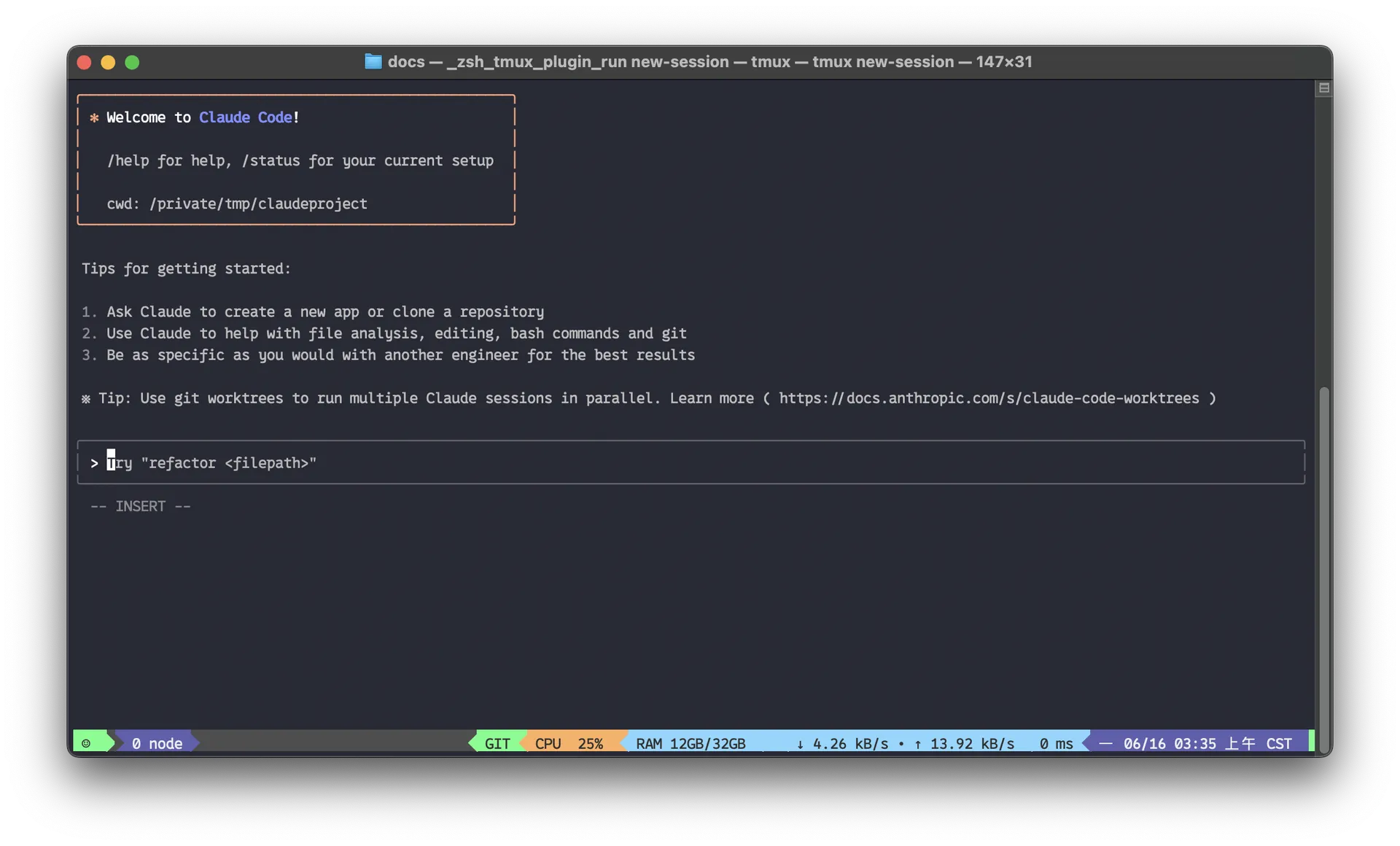
Anthropic’s agentic coding platform for terminal, IDE, desktop, web, CI, and code-review workflows.

GitHub's MIT-licensed toolkit for turning requirements into specs, plans, tasks, and implementation workflows across 30+ AI coding agents.

MIT-licensed configuration framework that adds structured slash commands, agents, behavioral modes, and optional MCP integrations to Claude Code.
Do one more comparison before you commit to OpenSpec
Strong picks usually survive one more internal check. Read deeper, compare a neighbor, then leave for the vendor page if the fit still holds.