TencentDB Agent Memory
MIT-licensed team memory hub that turns agent conversations, documents, and code into governed Chat Memory, Skills, Wiki, and CodeGraph assets.
Do not bounce yet
Read the fit check, compare one alternative, then decide whether the vendor page is still your best next click.
Quick Verdict
Fast fit check before you leave the page
Make the fit call first. Vendor pages are good at selling, but they rarely tell you where the product is a bad match.
- Agent-coding teams that want project memory and reusable workflows to survive across sessions and tools
- Platform engineers evaluating self-hosted memory, knowledge, code-graph, and access-control infrastructure for agents
- Claude Code users who need shared context, reviewed Skills, repository impact paths, and team-level memory governance
- The project is young and unusually concentrated: the audited repository reported only two contributors and a very small default-branch history despite rapid star growth.
- Deployment is operationally substantial, with several services, databases or storage, a proxy, containers, and two sets of LLM parameters to configure.
- Memory extraction, CodeGraph analysis, and skill generation can preserve stale or incorrect conclusions; governed storage does not guarantee factual accuracy.
Compare Next
Take one more internal step before the vendor pitch
This is where visitors usually jump out too early. Read one deeper take or open one alternative so the next click is informed instead of impulsive.
Alternative profile
Code Review Graph
MIT-licensed local code-intelligence graph that gives Claude Code, Codex, Cursor, Copilot, and other MCP clients targeted review context.
Alternative profile
Claude-Mem
Open-source, local-first memory engine for coding agents, with optional CMEM Cloud sync and a private MCP endpoint for cross-device recall.
Alternative profile
Letta Code
Open-source memory-first coding agent that turns disposable coding sessions into long-lived agents with persistent memory, skills, search, and multi-channel access.
TencentDB Agent Memory is a self-hosted memory hub for teams whose coding agents repeatedly relearn the same project. It converts conversations, documents, repositories, and successful workflows into four governed asset types: Chat Memory, Skills, Wiki, and CodeGraph. The useful distinction is governance: assets have owners, versions, visibility, review state, and agent assignments instead of becoming an opaque pool of retrieved text. That breadth is promising, but the project is young, operationally heavy, and still needs independent evidence that its extraction and access-control model remains reliable at production scale.
TencentDB Agent Memory is a self-hosted memory and knowledge control plane for teams using AI agents. It distills conversations into layered memories, converts successful work into versioned Skills, builds linked Wiki pages from documents, indexes code into a CodeGraph, and lets humans review, share, restrict, and assign those assets to specific agents. Its proxy and panel are especially relevant to agent-coding teams that want project decisions, runbooks, repository structure, and proven workflows to survive beyond one Claude Code or compatible agent session.
Why Choose TencentDB Agent Memory?
Choose TencentDB Agent Memory when several coding agents need to inherit project decisions, repository structure, documentation, and proven workflows across sessions.
Its strongest distinction is the combination of layered conversation memory, versioned Skills, linked Wiki content, and code-call relationships under one human-controlled panel.
Private, team, restricted, and agent-specific visibility can be more durable than copying the same context into every prompt or sharing one ungoverned vector store.
Do not choose it on GitHub stars alone. The audited repository had limited contributor diversity and a small default-branch history, while deployment and sensitive-data handling require careful testing.
Key Features
Distills raw agent conversations through L0 raw logs, L1 atomic memories, L2 scene blocks, and L3 personas instead of treating memory as one flat transcript store.
Turns successful conversations and tool work into versioned Skills with resource files, trigger boundaries, execution steps, validation rules, ownership, and review state.
Builds linked Wiki pages from documents and a CodeGraph of code symbols, files, call relationships, and impact paths for agent retrieval and change analysis.
Provides a web Memory Hub for teams, agents, asset review, sharing, versioning, usage visibility, assignment, and private, team, restricted, or agent-specific access.
Ships a memory core, knowledge service, web panel, proxy, SDK, migration tooling, and container-oriented deployment rather than only an embedding library.
Supports cold-start ingestion of repositories, documents, and previous agent sessions so a new agent can begin from existing project experience.
Pros & Cons
- Combines conversational memory, reusable skills, document knowledge, and code structure in one governed asset model.
- Human review, ownership, versions, visibility, and agent-specific assignment make it more suitable for teams than an ungoverned vector store.
- The CodeGraph and Skill surfaces are directly relevant to coding agents, not merely generic customer-support memory.
- MIT licensing, self-hosted components, migration tooling, and an inspectable web panel provide a credible foundation for evaluation.
- The project is young and unusually concentrated: the audited repository reported only two contributors and a very small default-branch history despite rapid star growth.
- Deployment is operationally substantial, with several services, databases or storage, a proxy, containers, and two sets of LLM parameters to configure.
- Memory extraction, CodeGraph analysis, and skill generation can preserve stale or incorrect conclusions; governed storage does not guarantee factual accuracy.
- Importing agent conversations and repositories expands the sensitive-data surface, so teams must verify retention, provider transmission, ACL behavior, deletion, and secret handling.
Detailed Use Cases for TencentDB Agent Memory
Distill decisions, constraints, preferences, and interaction history into layered memories that later agents can retrieve without restarting from a raw transcript.
Review and version troubleshooting, code-review, release, and delivery workflows before sharing them with selected agents or the wider team.
Combine linked Wiki pages with CodeGraph symbols, calls, and impact paths so builder and reviewer agents receive role-appropriate project context.
Import repositories, documents, and previous sessions so a new agent begins from accumulated experience instead of repeating every discovery step.
Who Should Use TencentDB Agent Memory?
Agent-coding teams that want project memory and reusable workflows to survive across sessions and tools
Platform engineers evaluating self-hosted memory, knowledge, code-graph, and access-control infrastructure for agents
Claude Code users who need shared context, reviewed Skills, repository impact paths, and team-level memory governance
Security-conscious teams willing to test extraction quality, retention, provider data flow, ACLs, migration, and deletion before production use
Perfect For
Carry architecture decisions, user preferences, project constraints, and incident context across Claude-oriented coding-agent sessions.
Turn a successful troubleshooting, code-review, or release workflow into a reviewed Skill that other team agents can reuse.
Give builder and reviewer agents a shared repository CodeGraph plus role-specific documentation and memory assets.
Cold-start a new agent or teammate from existing repositories, documents, and prior sessions without repeating every project explanation.
Technical Details
Direct Competitors
Mem0
Letta Code
Claude-Mem
OpenViking
AgentMemory
Code Review Graph
Similar Tools You Might Like
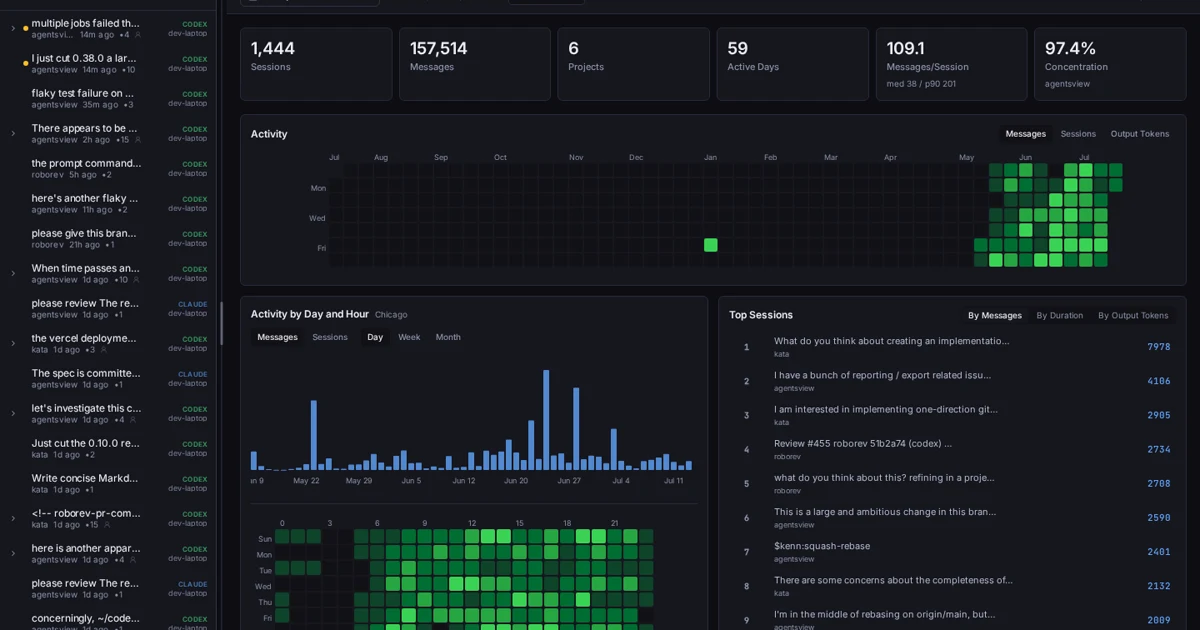
MIT-licensed local-first desktop, web, and CLI workspace for searching coding-agent sessions and analyzing activity, tokens, and costs across tools.
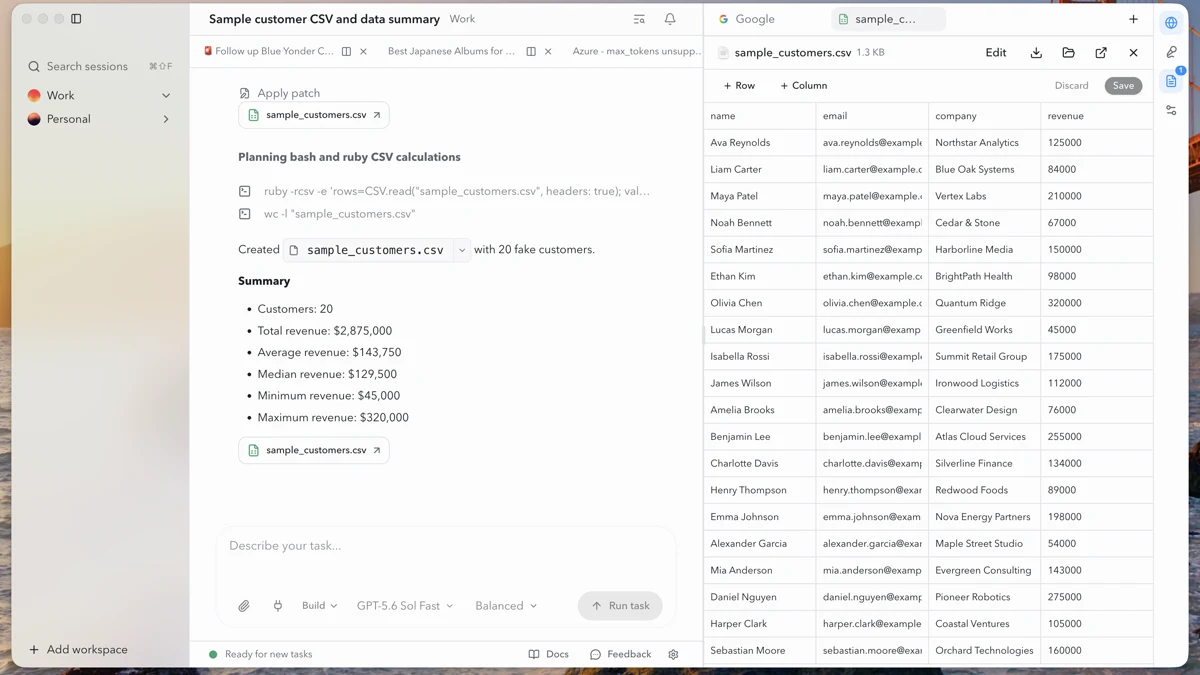
Open-source desktop workspace and MCP control plane for sharing agent skills, plugins, connected services, and repeatable AI workflows across coding tools and teams.
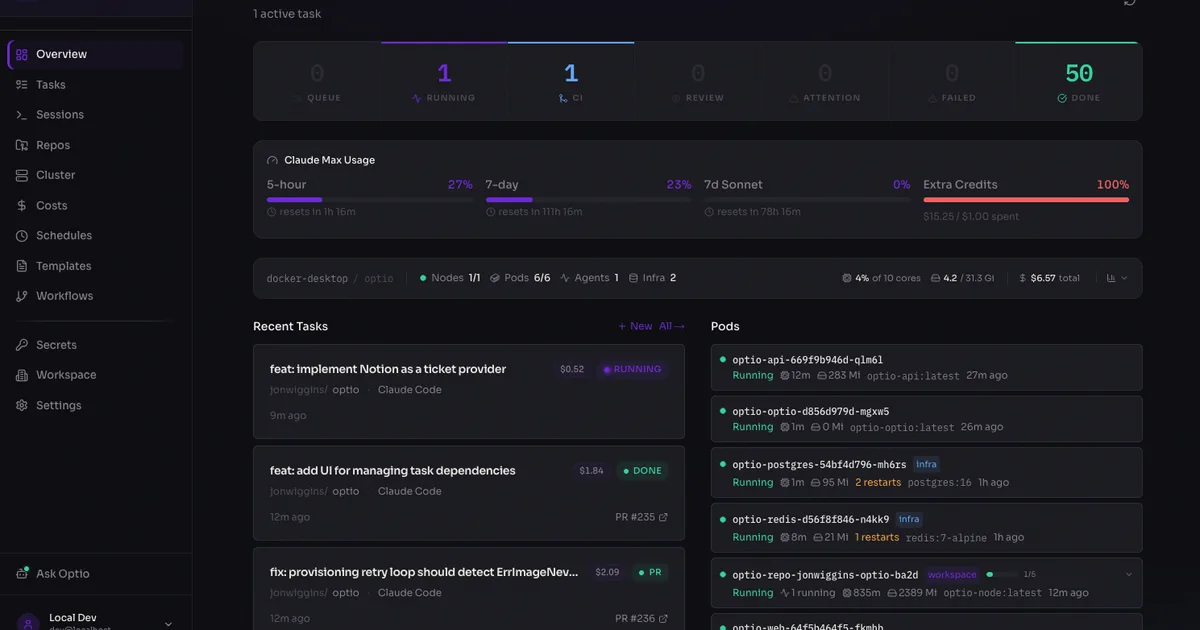
MIT-licensed self-hosted AI engineering platform that runs Claude Code, Codex, Copilot, Gemini, and OpenCode agents in Kubernetes from tickets to PRs.
Alternative Tools to Consider
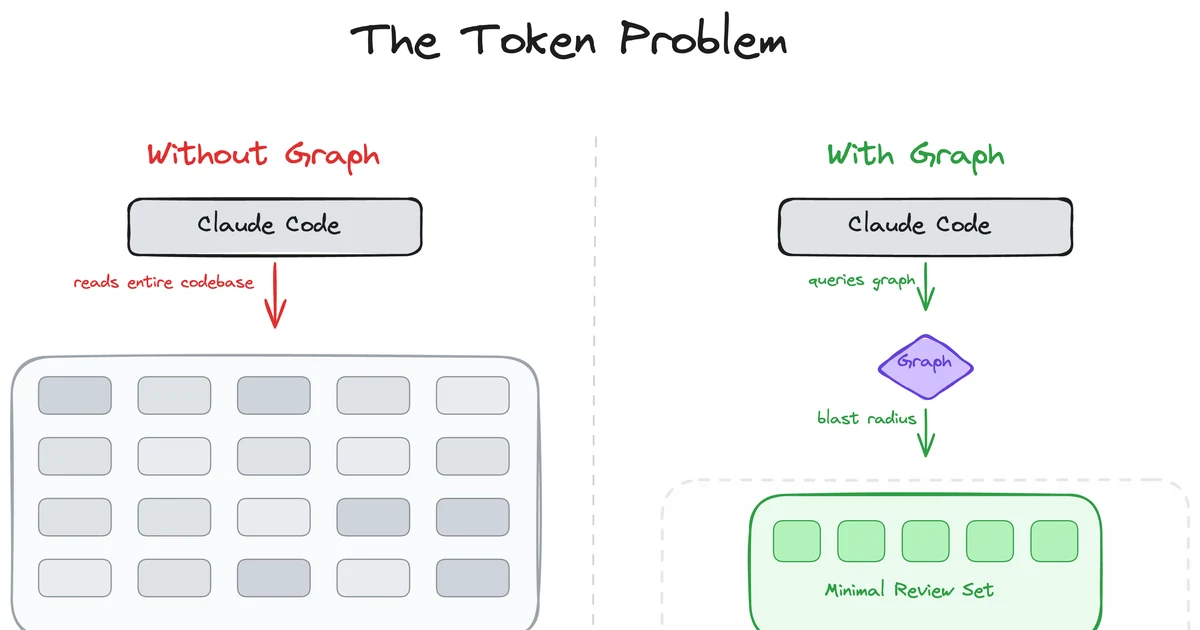
MIT-licensed local code-intelligence graph that gives Claude Code, Codex, Cursor, Copilot, and other MCP clients targeted review context.

Open-source, local-first memory engine for coding agents, with optional CMEM Cloud sync and a private MCP endpoint for cross-device recall.

Open-source memory-first coding agent that turns disposable coding sessions into long-lived agents with persistent memory, skills, search, and multi-channel access.

Universal memory layer for AI agents that adds persistent context, retrieval, and personalization to coding workflows.

Open-source context database for AI agents that organizes memory, resources, and skills through a file-system-style hierarchy.
Persistent cross-session memory layer for coding agents, with MCP, hooks, and shared recall across Claude Code, Codex CLI, Gemini CLI, OpenClaw, and more.
Do one more comparison before you commit to TencentDB Agent Memory
Strong picks usually survive one more internal check. Read deeper, compare a neighbor, then leave for the vendor page if the fit still holds.