
Agent Code
MIT-licensed Rust coding agent for the terminal with multi-provider support, headless automation, ACP, MCP, and reusable engineering skills.
Do not bounce yet
Read the fit check, compare one alternative, then decide whether the vendor page is still your best next click.
Quick Verdict
Fast fit check before you leave the page
Make the fit call first. Vendor pages are good at selling, but they rarely tell you where the product is a bad match.
- Developers evaluating open-source terminal coding agents
- Teams that need headless or scriptable agent workflows
- Rust engineers who want an extensible coding-agent engine
- The project is young and has limited independently verified adoption compared with established coding agents
- Small GitHub star and fork counts should not be presented as proof of production usage; the crate download metric is a different unit
- Model, provider, and configured MCP services can still receive sensitive context, so open-source code does not automatically mean private execution
Compare Next
Take one more internal step before the vendor pitch
This is where visitors usually jump out too early. Read one deeper take or open one alternative so the next click is informed instead of impulsive.
Alternative profile
Claude Code Router
MIT-licensed local gateway and desktop control plane for routing Claude Code, Codex, Grok CLI, and compatible agents across model providers.
Alternative profile
Aider
Open-source terminal coding agent with git-native edits, repo mapping, and broad model support
Alternative profile
Claude Code
Anthropic’s agentic coding platform for terminal, IDE, desktop, web, CI, and code-review workflows.
Agent Code is an open-source Rust coding agent for developers who want a terminal workflow they can inspect and customize. It combines interactive and headless execution with file, shell, search, git, MCP, hooks, memory, reusable skills, and Agent Client Protocol support. That makes it more substantial than a model wrapper, but its young project history and limited independent adoption evidence deserve a cautious pilot.
Agent Code is a Rust-based coding agent that works directly in the terminal and can inspect repositories, edit files, run commands, and handle multi-step engineering tasks. It supports interactive TUI and one-shot headless workflows, multiple model providers including OpenAI-compatible endpoints, MCP servers, lifecycle hooks, persistent memory, reusable skills, an evaluation harness, and an Agent Client Protocol surface for editor integrations. The project is open source under MIT and ships documented macOS, Linux, and Windows paths, while model or provider usage remains a separate cost and trust decision.
Why Choose Agent Code?
Choose Agent Code when you want an MIT-licensed coding-agent implementation that can be modified rather than a closed client tied to one vendor.
Its headless mode, hooks, skills, and evaluation harness make it a candidate for repeatable repository automation as well as interactive work.
Multi-provider configuration and OpenAI-compatible endpoints let teams compare models or connect local infrastructure.
Treat the project as early-stage: validate permissions, provider data handling, model behavior, and operational reliability on non-sensitive code before adoption.
Key Features
Rust terminal coding agent with interactive fullscreen TUI and one-shot headless execution for scripts or CI
Multi-provider model configuration including OpenAI-compatible endpoints and documented Codex ChatGPT session reuse
Built-in file operations, search, shell, git, web access, and reusable skills for engineering workflows
MCP servers, lifecycle hooks, persistent memory, session controls, and permission modes for customization
Agent Client Protocol support plus a reusable engine library and a separate behavioral evaluation harness
Documented install paths for macOS, Linux, Windows, Docker, Cargo, and Homebrew
Pros & Cons
- MIT-licensed source makes the agent, provider layer, permissions, and workflow extensions inspectable and modifiable
- Headless mode, hooks, skills, and an evaluation crate make it relevant to repeatable engineering automation rather than only interactive chat
- Multi-provider support reduces dependence on one model vendor and includes local or OpenAI-compatible endpoint options
- Active commits and a tagged release provide stronger freshness evidence than a static demo repository
- The project is young and has limited independently verified adoption compared with established coding agents
- Small GitHub star and fork counts should not be presented as proof of production usage; the crate download metric is a different unit
- Model, provider, and configured MCP services can still receive sensitive context, so open-source code does not automatically mean private execution
- Terminal agents can modify files and run commands with real side effects; permissions, secrets, sandboxing, and patch review remain operator responsibilities
Detailed Use Cases for Agent Code
Give Agent Code a repository task and use its TUI, built-in tools, permissions, and review loop to explore, edit, and verify the work.
Run one-shot prompts from scripts or CI and combine them with lifecycle hooks, skills, and explicit validation steps.
Connect MCP services, configure reusable skills, or integrate an ACP-compatible host instead of rebuilding every workflow around one client.
Compare providers or local endpoints on representative, non-sensitive tasks while measuring patch quality, cost, latency, and failure recovery.
Who Should Use Agent Code?
Developers evaluating open-source terminal coding agents
Teams that need headless or scriptable agent workflows
Rust engineers who want an extensible coding-agent engine
Operators comparing multi-provider and ACP/MCP-compatible coding tools
Perfect For
Run repository tasks interactively in a terminal while the agent searches, edits, and verifies changes
Use headless prompts, hooks, and skills to add agent-assisted steps to scripts or CI workflows
Connect MCP services or an Agent Client Protocol host to extend the coding workflow
Evaluate a customizable multi-provider coding agent on non-sensitive repositories before a controlled team pilot
Technical Details
Direct Competitors
OpenCode
OpenAI Codex
Claude Code
Gemini CLI
Aider
Similar Tools You Might Like

MIT-licensed local memory server and CLI for carrying coding context, summaries, and handoffs across Claude Code, Codex, Cursor, OpenCode, and other agent clients.
MIT-licensed codebase knowledge graph and MCP server for structural search, natural-language exploration, data-flow tracing, and agent-assisted edits across mixed-language repositories.
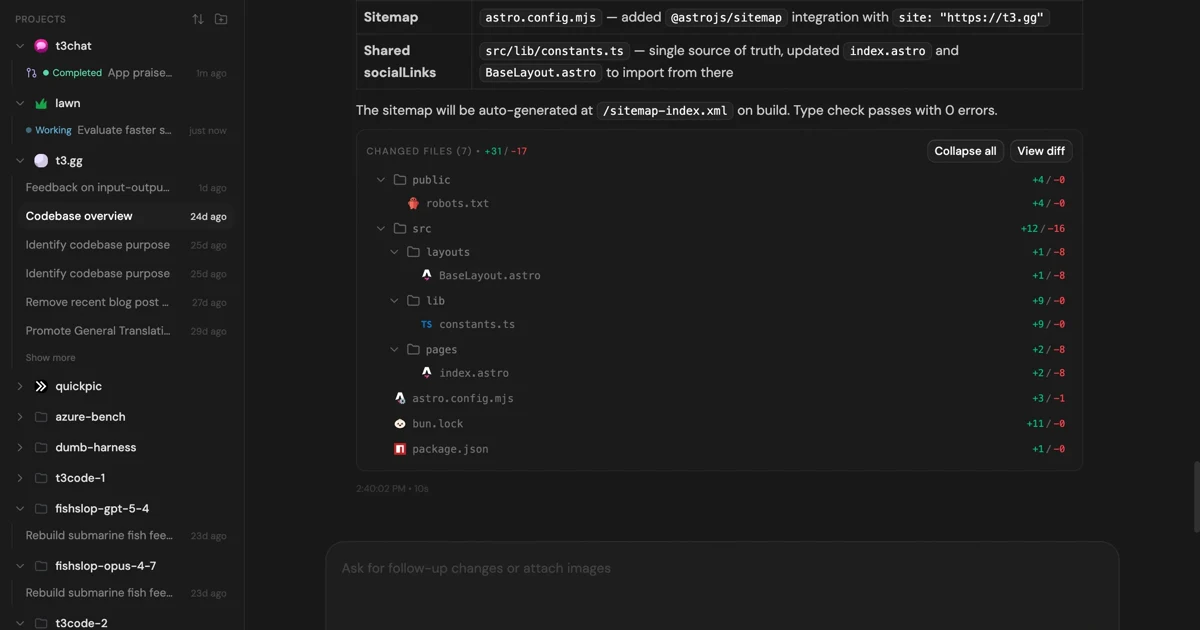
MIT-licensed control plane for running Claude Code, Codex, Cursor, Grok, and OpenCode threads from desktop, web, iOS, and Android clients.
Alternative Tools to Consider
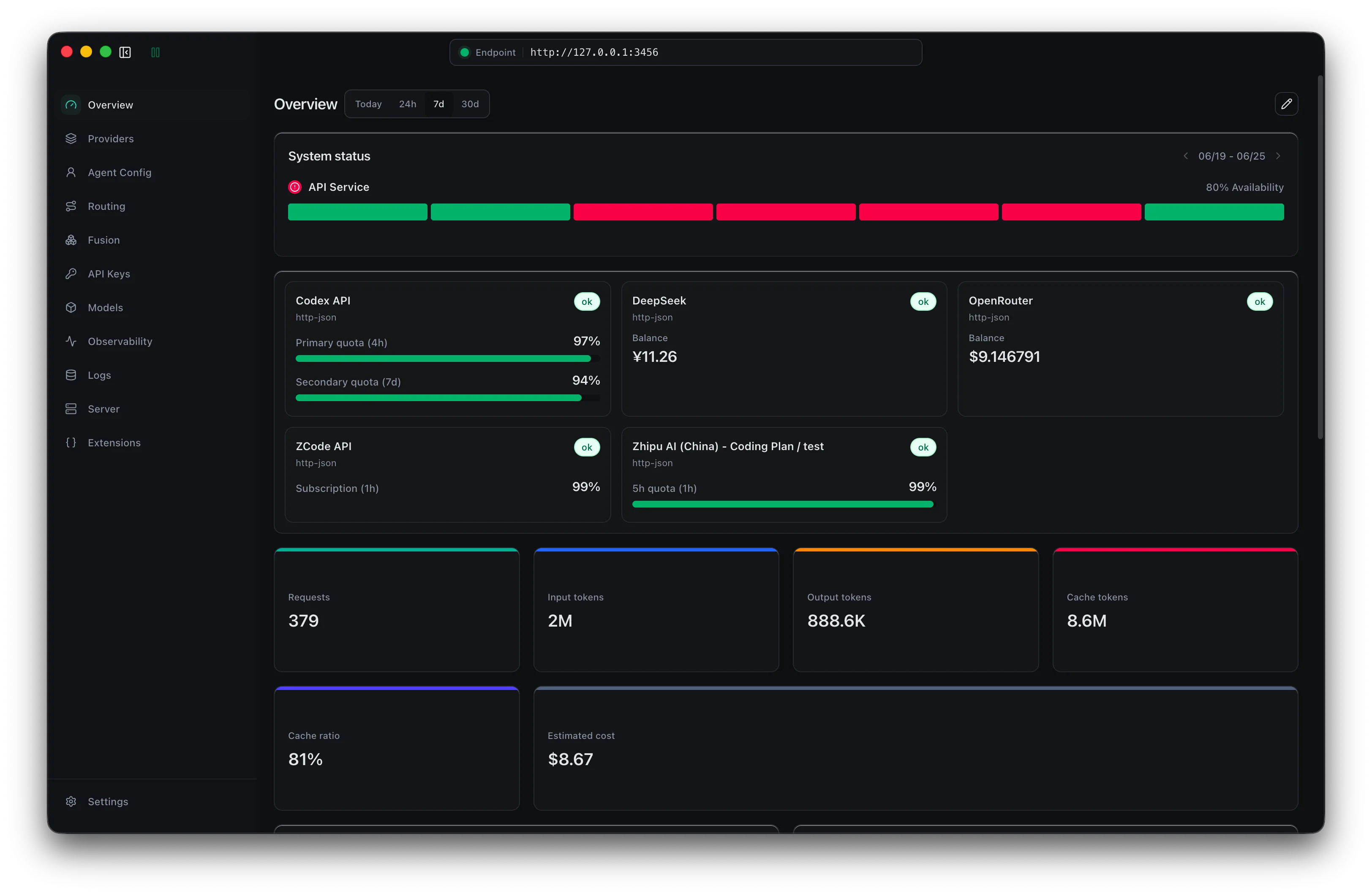
MIT-licensed local gateway and desktop control plane for routing Claude Code, Codex, Grok CLI, and compatible agents across model providers.

Open-source terminal coding agent with git-native edits, repo mapping, and broad model support
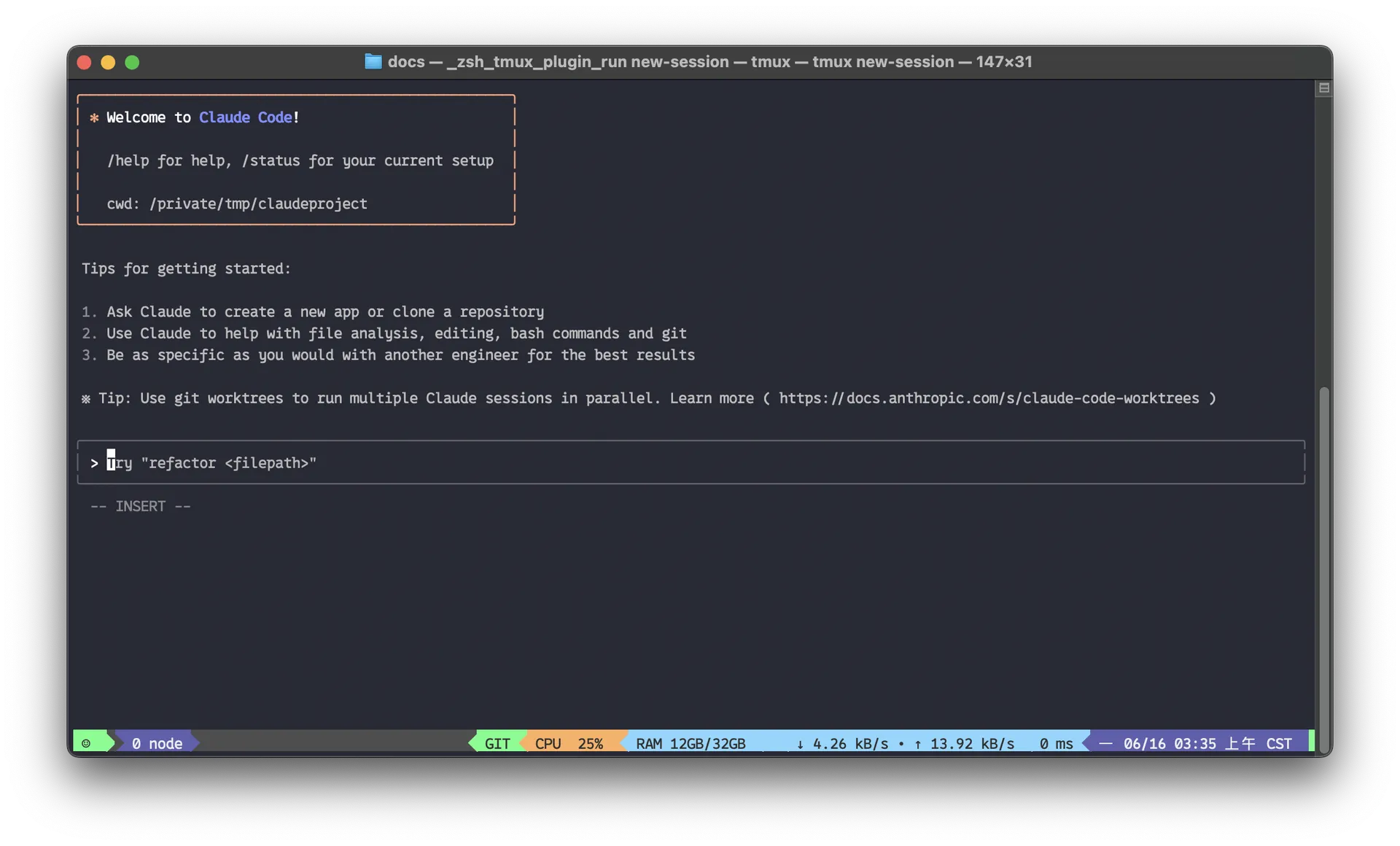
Anthropic’s agentic coding platform for terminal, IDE, desktop, web, CI, and code-review workflows.

Source-available VS Code and Cursor interface for Claude Code with checkpoints, inline diffs, history, permissions, and extension marketplaces.

Open-source terminal dashboard for tracking Claude Code token usage, burn rate, and predicted session cutoffs.

Google's open-source terminal coding agent with Gemini 3 models, MCP extensibility, and strong headless automation workflows.
Do one more comparison before you commit to Agent Code
Strong picks usually survive one more internal check. Read deeper, compare a neighbor, then leave for the vendor page if the fit still holds.