
Plandex
Open-source terminal coding agent built for large tasks, large files, and reviewable AI-driven repo changes.
Do not bounce yet
Read the fit check, compare one alternative, then decide whether the vendor page is still your best next click.
Quick Verdict
Fast fit check before you leave the page
Make the fit call first. Vendor pages are good at selling, but they rarely tell you where the product is a bad match.
- Developers who prefer terminal-native coding agents over AI-first IDE wrappers
- Teams working on large repositories or multi-step tasks that regularly exceed small-context assistant workflows
- Builders who want open-source or self-hosted control instead of depending on a closed hosted coding product
- The product expects terminal comfort, and Windows support is effectively a WSL story rather than a polished native PowerShell experience
- Free open source does not mean free operation, because real usage still depends on model or API spend
- The hosted cloud offering is winding down, so the easiest onboarding path is weaker than it used to be
Compare Next
Take one more internal step before the vendor pitch
This is where visitors usually jump out too early. Read one deeper take or open one alternative so the next click is informed instead of impulsive.
Alternative profile
Claude Code Router
MIT-licensed local gateway and desktop control plane for routing Claude Code, Codex, Grok CLI, and compatible agents across model providers.
Alternative profile
Aider
Open-source terminal coding agent with git-native edits, repo mapping, and broad model support
Alternative profile
Claude Code
Anthropic’s agentic coding platform for terminal, IDE, desktop, web, CI, and code-review workflows.
Plandex is an open-source terminal coding agent built for developers who think most AI coding demos fall apart the moment a task gets large, the repo gets messy, or the model needs disciplined review. Its positioning is clear: handle bigger tasks, keep generated changes isolated until reviewed, and give users more control over autonomy, context, and model selection than the average coding assistant.
Plandex is a terminal-first AI coding agent aimed at developers who need more than small-file autocomplete or a glossy demo. It is designed for large projects, large files, and multi-step software tasks, with configurable autonomy, tree-sitter project maps, a cumulative diff review sandbox, and model-provider flexibility across Anthropic, OpenAI, Google, OpenRouter, and open-source model stacks. That makes it directly relevant for serious vibe coding workflows where reviewability and big-repo context matter more than one-click theatrics.
Why Choose Plandex?
Plandex is one of the more credible tools for large-task agentic coding because the product is explicitly designed around context management, reviewability, and multi-step execution rather than pure autocomplete theater.
The diff sandbox with rewind and branch-style recovery is a meaningful workflow advantage for teams that care about not trashing a repo while experimenting with autonomous agents.
Its model-provider flexibility reduces lock-in and lets teams adapt as the best or cheapest coding model changes over time.
Strong GitHub traction and multiple well-received Hacker News launches make it easier to treat Plandex as a real category contender instead of a niche side project.
Key Features
Terminal-first REPL and CLI workflow for project-aware coding tasks
Cumulative diff review sandbox with rewind and branching before applying changes
Configurable autonomy from step-by-step review to full-auto execution and debugging
Large-project context handling with an advertised 2M effective context window and tree-sitter project maps
Multi-provider model support spanning Anthropic, OpenAI, Google, OpenRouter, and open-source model paths
Self-hosted local mode with Docker instead of requiring a closed hosted control plane
Pros & Cons
- Plandex is explicitly built for large tasks and large repositories, which is a real differentiator in a market full of tiny-demo agents
- The diff sandbox and rewind model are materially safer than tools that encourage blind direct edits into your working tree
- Provider flexibility matters because serious agent workflows should not be trapped behind one model vendor's pricing or capability curve
- GitHub traction plus multiple strong HN launches suggest real product-market relevance rather than launch-week theater
- The product expects terminal comfort, and Windows support is effectively a WSL story rather than a polished native PowerShell experience
- Free open source does not mean free operation, because real usage still depends on model or API spend
- The hosted cloud offering is winding down, so the easiest onboarding path is weaker than it used to be
- Configurability and autonomy controls give power users more leverage, but they also make the tool less instantly simple for beginners
Detailed Use Cases for Plandex
Plandex is strongest when a coding task spans many steps and touches enough files that smaller assistants start losing context or becoming sloppy.
The diff sandbox is useful for teams that want an agent to do real work without granting blind trust to every generated edit or command.
Developers who want local or self-hosted control can use Plandex as a more inspectable alternative to closed browser-first coding products.
Because Plandex supports multiple provider paths, it is a fit for teams that want to compare model quality, speed, and cost without replacing their entire workflow each time.
Who Should Use Plandex?
Developers who prefer terminal-native coding agents over AI-first IDE wrappers
Teams working on large repositories or multi-step tasks that regularly exceed small-context assistant workflows
Builders who want open-source or self-hosted control instead of depending on a closed hosted coding product
Engineers comparing Plandex with Claude Code, OpenCode, Goose, Aider, or OpenAI Codex for serious repo work
Perfect For
Large multi-file feature work where small-context chat tools start to break down
Reviewable autonomous implementation loops that need sandboxed diffs and rollback paths
Big-repo exploration and planning with project maps and selective context loading
Self-hosted or local coding-agent workflows for developers who want more control than a browser-only product offers
Technical Details
Direct Competitors
Claude Code
OpenCode
Aider
Goose
OpenAI Codex
Similar Tools You Might Like

MIT-licensed local memory server and CLI for carrying coding context, summaries, and handoffs across Claude Code, Codex, Cursor, OpenCode, and other agent clients.
MIT-licensed codebase knowledge graph and MCP server for structural search, natural-language exploration, data-flow tracing, and agent-assisted edits across mixed-language repositories.
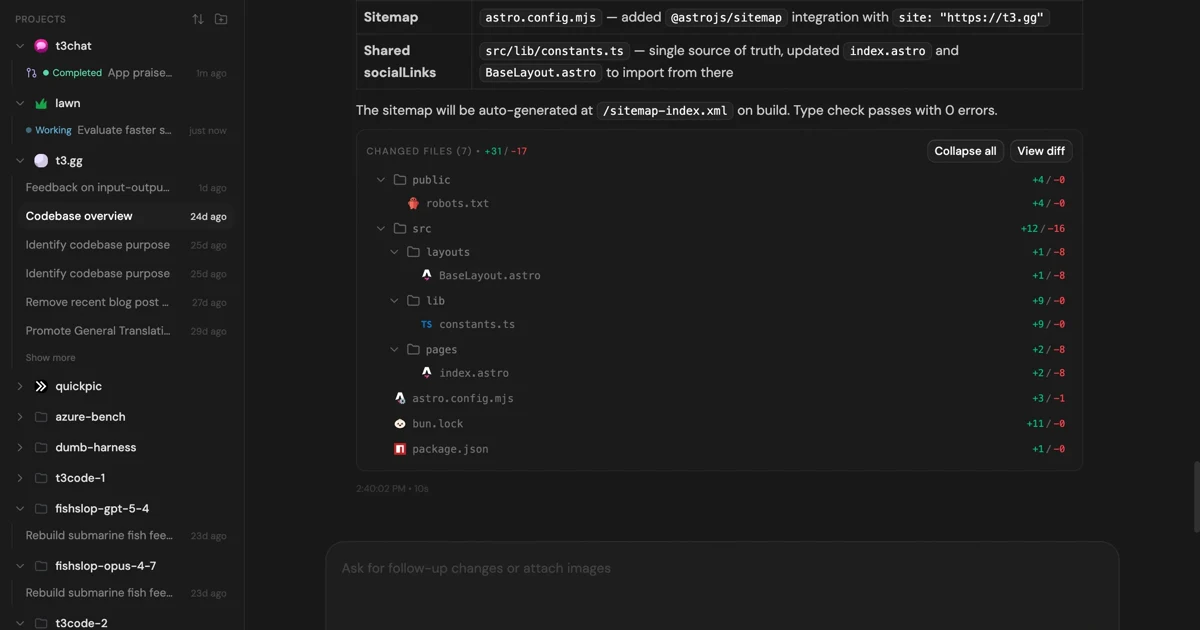
MIT-licensed control plane for running Claude Code, Codex, Cursor, Grok, and OpenCode threads from desktop, web, iOS, and Android clients.
Alternative Tools to Consider
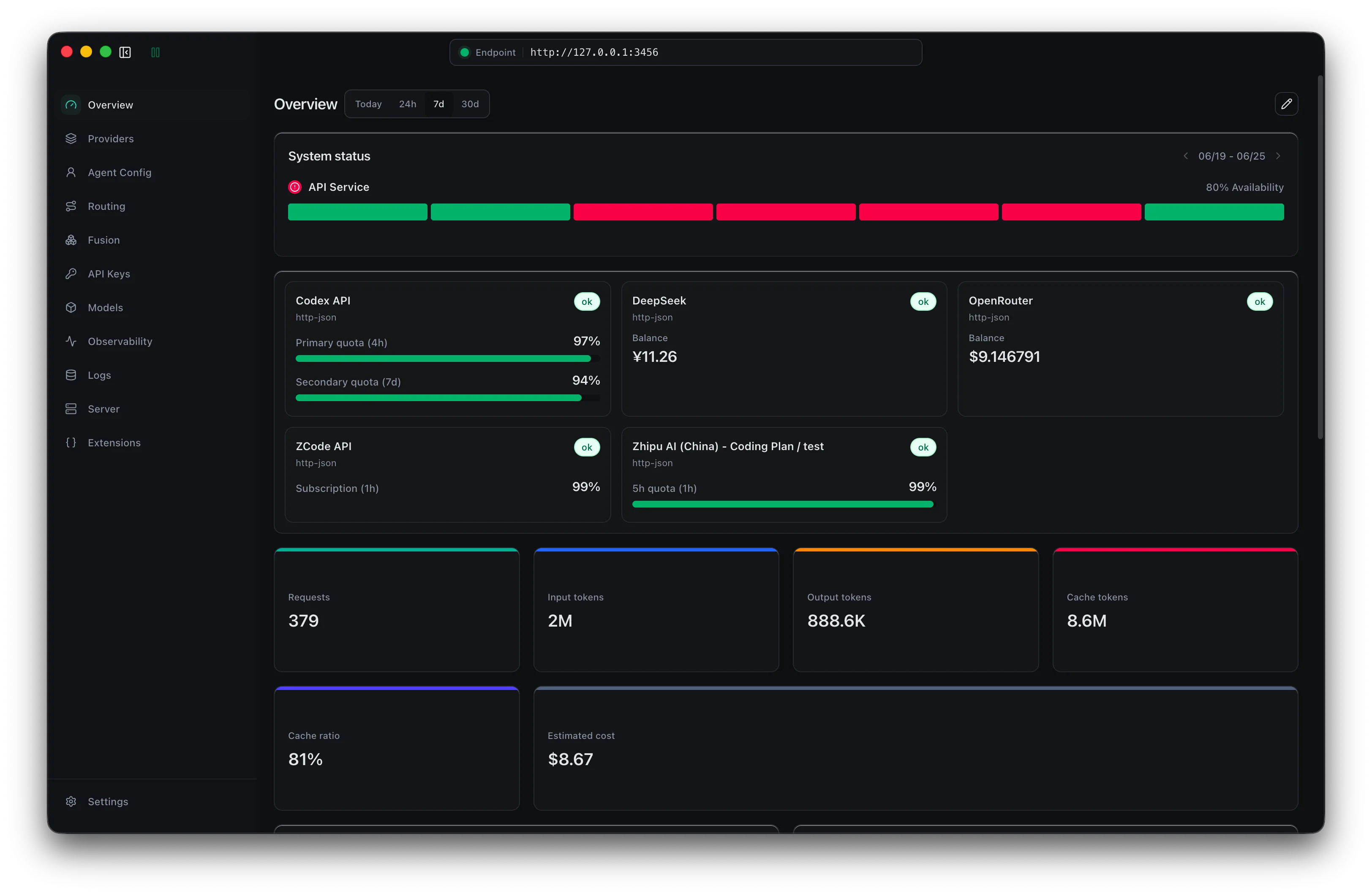
MIT-licensed local gateway and desktop control plane for routing Claude Code, Codex, Grok CLI, and compatible agents across model providers.

Open-source terminal coding agent with git-native edits, repo mapping, and broad model support
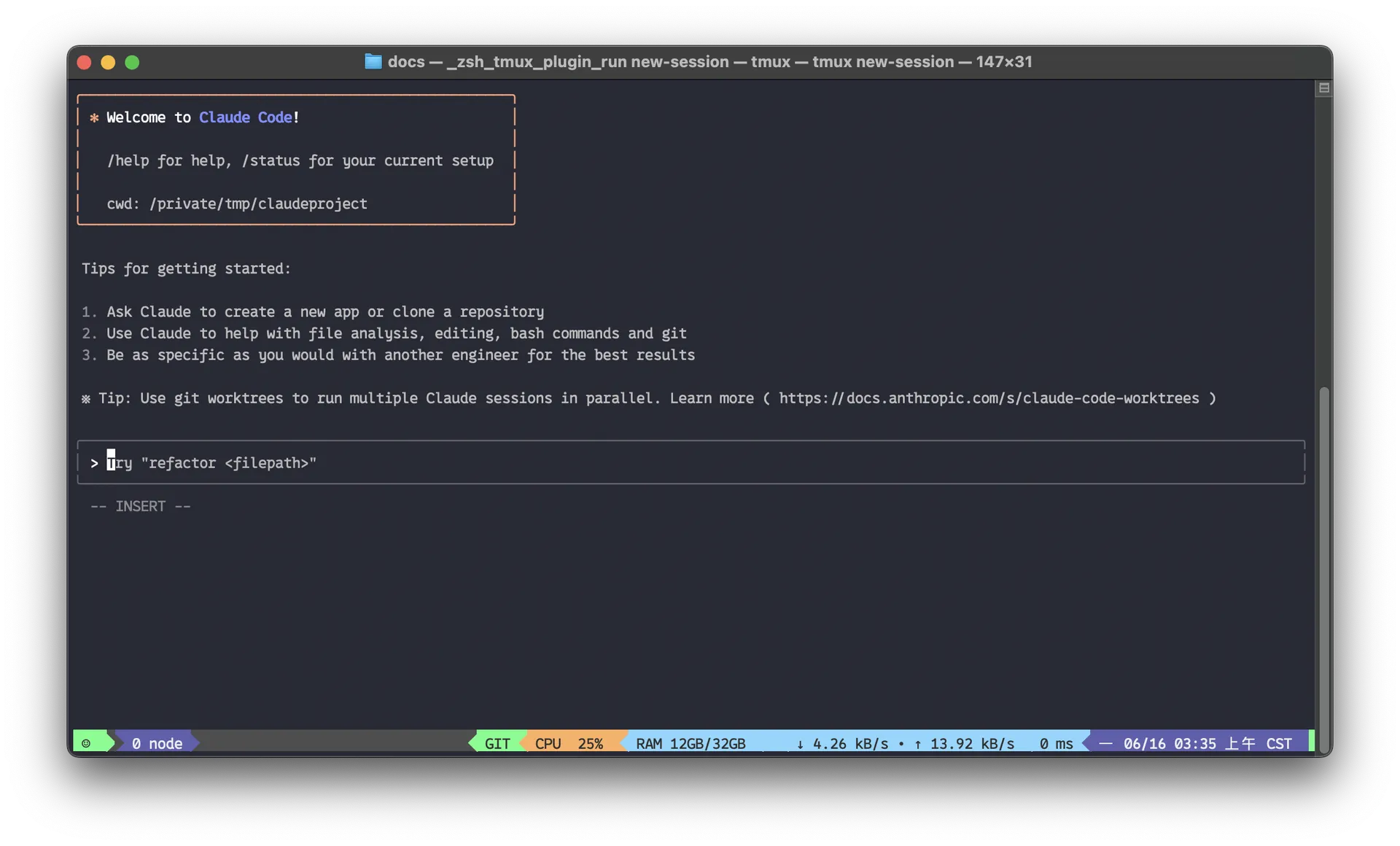
Anthropic’s agentic coding platform for terminal, IDE, desktop, web, CI, and code-review workflows.

Source-available VS Code and Cursor interface for Claude Code with checkpoints, inline diffs, history, permissions, and extension marketplaces.

Open-source terminal dashboard for tracking Claude Code token usage, burn rate, and predicted session cutoffs.

Open-source local AI agent from the Agentic AI Foundation with CLI, desktop, and API workflows plus MCP extensibility.
Do one more comparison before you commit to Plandex
Strong picks usually survive one more internal check. Read deeper, compare a neighbor, then leave for the vendor page if the fit still holds.