
HumanLayer
Multiplayer coding-agent workspace that combines shared tasks, agent sessions, plans, design reviews, code diffs, worktrees, and remote workers across Claude Code, Codex, and other harnesses.
Do not bounce yet
Read the fit check, compare one alternative, then decide whether the vendor page is still your best next click.
Quick Verdict
Fast fit check before you leave the page
Make the fit call first. Vendor pages are good at selling, but they rarely tell you where the product is a bad match.
- Small teams coordinating Claude Code, Codex, or Copilot sessions across shared repositories
- Engineering teams that want human design review integrated with agent implementation
- Software-factory builders using worktrees, remote workers, and bring-your-own agent subscriptions
- The live product FAQ says HumanLayer is not yet open source, despite Apache-2.0 components in the public repository.
- Pro costs $100 per user per month, and Enterprise pricing is custom.
- Public release channels are confusing: recent listed builds are prerelease nightlies, while GitHub's latest non-prerelease is an older macOS-only Pro build.
Compare Next
Take one more internal step before the vendor pitch
This is where visitors usually jump out too early. Read one deeper take or open one alternative so the next click is informed instead of impulsive.
Alternative profile
Claude Code Router
MIT-licensed local gateway and desktop control plane for routing Claude Code, Codex, Grok CLI, and compatible agents across model providers.
Alternative profile
Claude Code
Anthropic’s agentic coding platform for terminal, IDE, desktop, web, CI, and code-review workflows.
Alternative profile
Claude Code Chat
Source-available VS Code and Cursor interface for Claude Code with checkpoints, inline diffs, history, permissions, and extension marketplaces.
HumanLayer is a multiplayer coding-agent workspace for teams that need to coordinate agent sessions, plans, design reviews, diffs, and remote execution around real repository work. It now supports Claude Code, Codex, Copilot, and Fireworks through bring-your-own access, with a free small-team tier and a substantial paid collaboration plan. The important correction is licensing: the live product is proprietary today even though public Apache-2.0 components and the RPI framework remain inspectable.
HumanLayer is a multiplayer coding-agent workspace for teams coordinating serious repository work. Its desktop IDE and cloud bring tasks, agent sessions, plan artifacts, design-review comments, code diffs, worktrees, and remote workers into one collaborative control plane. The live product now supports Claude Code, Codex, Copilot, and Fireworks through bring-your-own subscriptions or API keys. HumanLayer offers a limited free Starter plan and a $100/user/month Pro plan; the current product is proprietary even though its public repository and RPI framework contain Apache-2.0-licensed components.
Why Choose HumanLayer?
Choose HumanLayer when several developers and coding agents need a shared task, artifact, and review surface instead of isolated terminal sessions.
Use its worktree and remote-daemon model when parallel agent execution must remain visible and governable.
Evaluate the free Starter tier if a team of up to three people can stay within 200 sessions per month.
Treat the $100/user/month Pro price, separate model-provider costs, proprietary product license, and uneven public release cadence as explicit procurement checks.
Key Features
Multiplayer workspace that groups agent sessions, plans, design artifacts, and diffs into shared tasks.
Real-time human and agent collaboration on implementation plans and design-review comments.
Multi-repository workspaces and Git worktrees for parallel coding-agent execution.
Remote daemons for running background agents on team-controlled compute.
Bring-your-own access to Claude Code, Codex, Copilot, Fireworks, and additional agent providers.
Opinionated Research, Plan, Implement workflows with support for custom workflow evolution.
Pros & Cons
- Coordinates sessions, artifacts, review decisions, and implementation in one workspace instead of scattering them across terminals and documents.
- Supports several coding-agent harnesses rather than remaining Claude Code-only.
- Free Starter plan makes small-team evaluation possible before committing to the paid collaboration layer.
- Public repository, release artifacts, documentation, and substantial Hacker News discussion make key claims inspectable.
- The live product FAQ says HumanLayer is not yet open source, despite Apache-2.0 components in the public repository.
- Pro costs $100 per user per month, and Enterprise pricing is custom.
- Public release channels are confusing: recent listed builds are prerelease nightlies, while GitHub's latest non-prerelease is an older macOS-only Pro build.
- Agent-provider subscriptions or API keys are separate, and remote execution expands credential and code-access risk.
- The latest main-branch commit was nearly three months old at the time of this audit, so teams should verify current support and release cadence.
Detailed Use Cases for HumanLayer
Group sessions, plans, artifacts, diffs, and reviewer decisions around one repository task instead of scattering context across terminals and documents.
Comment on technical designs and feed resolved decisions back into the agent workflow before code changes advance.
Use multi-repository workspaces, Git worktrees, and remote daemons to supervise background execution across team-controlled environments.
Connect Claude Code, Codex, Copilot, Fireworks, and other supported providers without adding a separate HumanLayer token bill.
Who Should Use HumanLayer?
Small teams coordinating Claude Code, Codex, or Copilot sessions across shared repositories
Engineering teams that want human design review integrated with agent implementation
Software-factory builders using worktrees, remote workers, and bring-your-own agent subscriptions
Organizations willing to evaluate a proprietary collaboration layer around inspectable open-source components
Perfect For
Coordinate multiple coding-agent sessions and worktrees across a shared repository task.
Review plans, diagrams, and design decisions collaboratively before agents implement code.
Run background agents on remote team-controlled workers while keeping artifacts visible in one workspace.
Adopt an opinionated research-plan-implement workflow across Claude Code, Codex, or other supported harnesses.
Technical Details
Direct Competitors
OpenCode
Claude Code
Codex CLI
Cursor
Claude Squad
Similar Tools You Might Like

Spec-driven AI IDE and CLI from AWS that turns prompts into requirements, tasks, and production-oriented implementation workflows.

AI code editor with local, cloud, CLI, and mobile coding agents

Agentic coding platform with an AI editor, autonomous Quest workspace, repository knowledge tools, JetBrains support, and a CLI
Alternative Tools to Consider
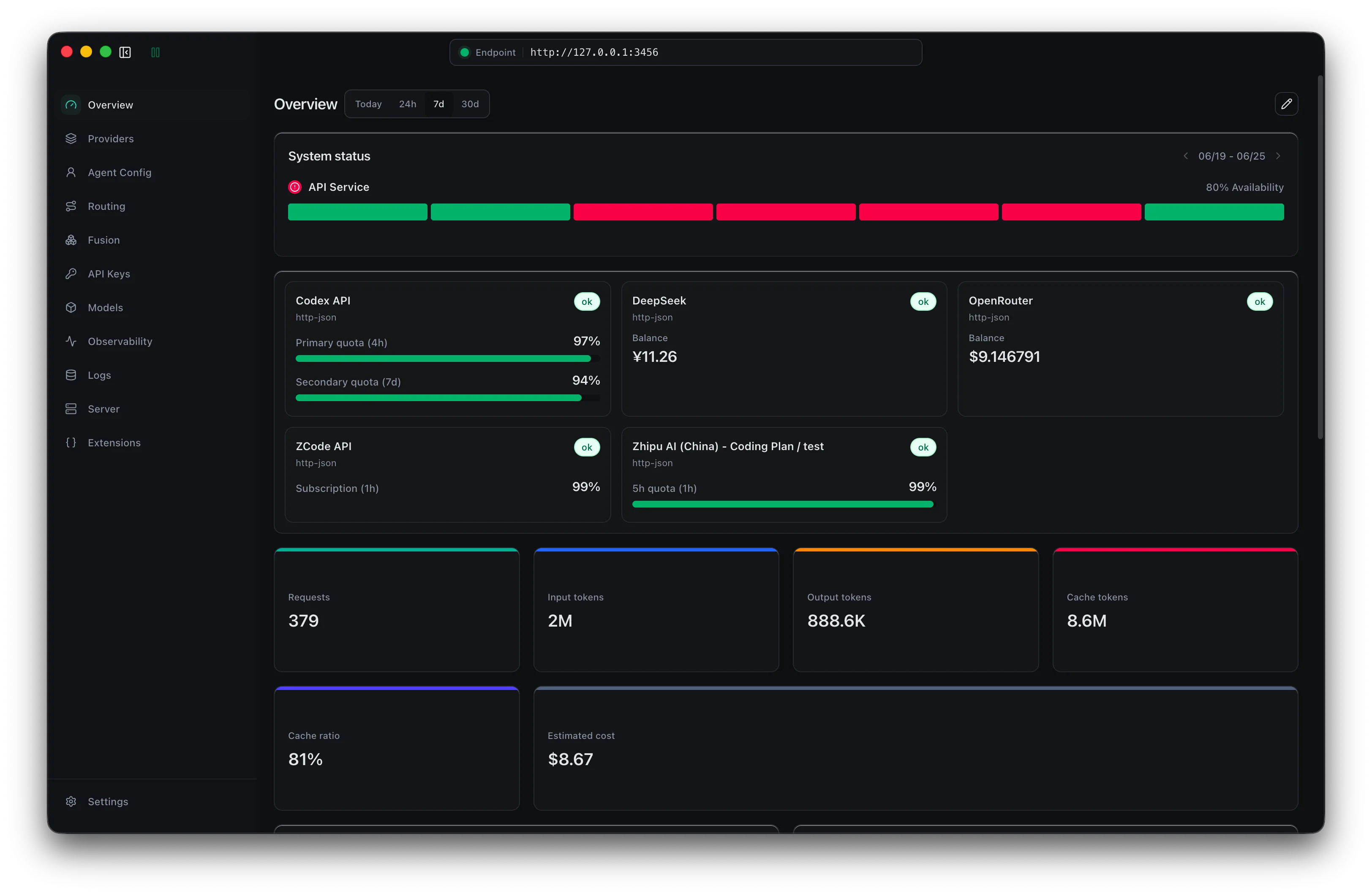
MIT-licensed local gateway and desktop control plane for routing Claude Code, Codex, Grok CLI, and compatible agents across model providers.
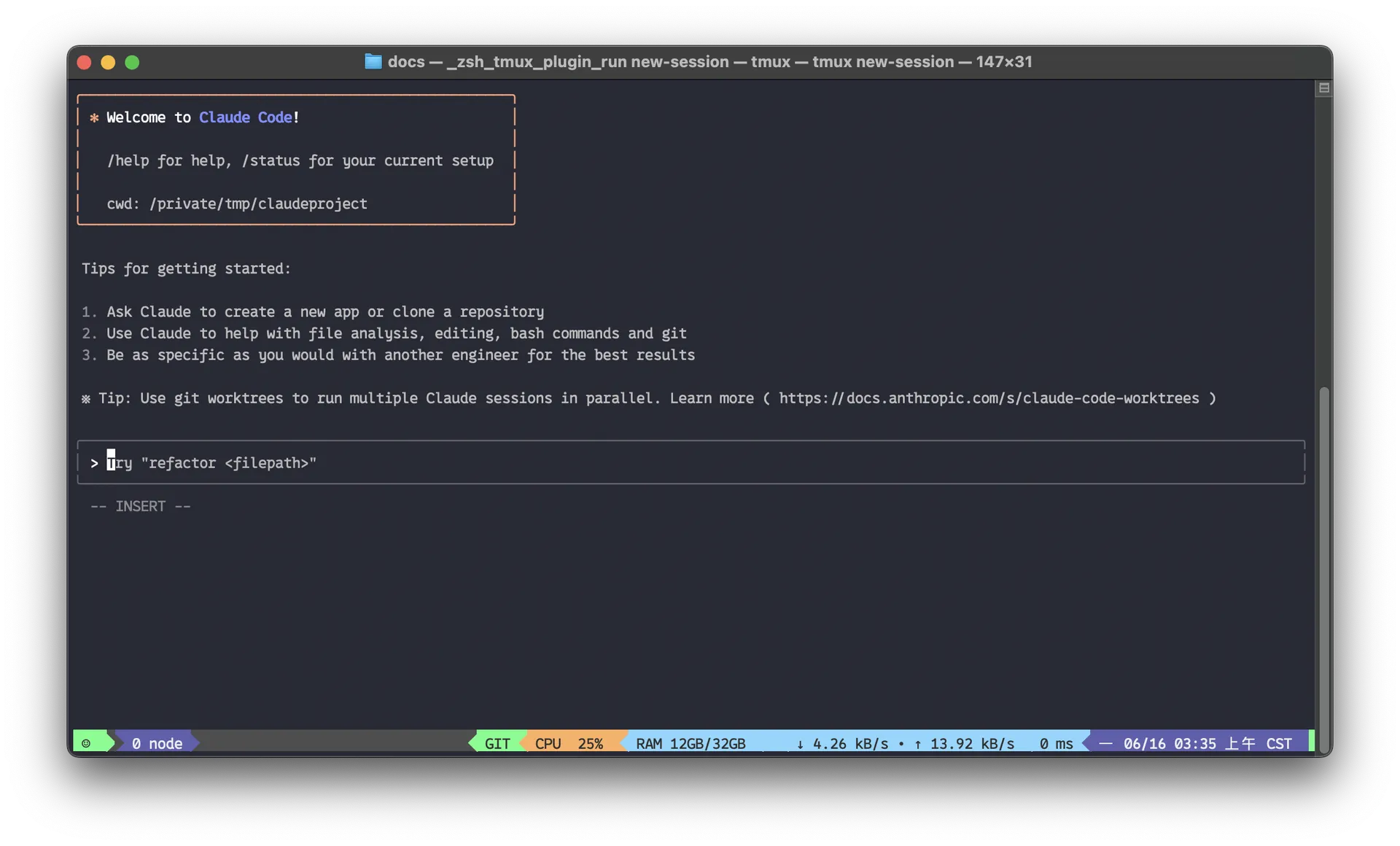
Anthropic’s agentic coding platform for terminal, IDE, desktop, web, CI, and code-review workflows.

Source-available VS Code and Cursor interface for Claude Code with checkpoints, inline diffs, history, permissions, and extension marketplaces.

Open-source terminal dashboard for tracking Claude Code token usage, burn rate, and predicted session cutoffs.

Open-source terminal app for managing multiple AI coding agents like Claude Code, Codex, OpenCode, and Aider across isolated workspaces.
AI code editor with local, cloud, CLI, and mobile coding agents
Do one more comparison before you commit to HumanLayer
Strong picks usually survive one more internal check. Read deeper, compare a neighbor, then leave for the vendor page if the fit still holds.