
Maki
Rust terminal coding agent focused on context efficiency, explicit permission parsing, subagents, and provider flexibility.
Do not bounce yet
Read the fit check, compare one alternative, then decide whether the vendor page is still your best next click.
Quick Verdict
Fast fit check before you leave the page
Make the fit call first. Vendor pages are good at selling, but they rarely tell you where the product is a bad match.
- Terminal-first developers who care about token efficiency and inspectable behavior
- Users comparing Claude Code, OpenCode, Crush, and other CLI coding agents
- Cost-sensitive teams experimenting with subagents and provider flexibility
- This is still an early 2026 project, so adoption proof is lighter than established tools like Claude Code, Aider, or OpenCode
- Bring-your-own-provider setup keeps the software free but pushes real usage cost and model management onto the user
- Fast-moving docs and workflows are normal at this stage, which can create churn for teams trying to standardize early
Compare Next
Take one more internal step before the vendor pitch
This is where visitors usually jump out too early. Read one deeper take or open one alternative so the next click is informed instead of impulsive.
Alternative profile
Claude Code Router
MIT-licensed local gateway and desktop control plane for routing Claude Code, Codex, Grok CLI, and compatible agents across model providers.
Alternative profile
Aider
Open-source terminal coding agent with git-native edits, repo mapping, and broad model support
Alternative profile
Claude Code
Anthropic’s agentic coding platform for terminal, IDE, desktop, web, CI, and code-review workflows.
Maki is an early but interesting terminal coding agent that optimizes for context efficiency instead of simply throwing more tokens at every problem. Built in Rust and released under MIT, it combines a fast TUI with tree-sitter-based indexing, explicit permission parsing, subagent workflows, and multiple provider options. The result is a tool worth watching if Claude Code-style workflows appeal to you but you care about token spend, inspectability, and shell ergonomics.
Maki is a Rust-based terminal coding agent built around context efficiency instead of prompt bloat. It pairs a fast TUI with tree-sitter-powered code indexing, safer shell permission parsing, subagent delegation, a memory layer, skills and MCP support, and multiple model-provider options. It is still early, but it already looks like a real product rather than a disposable wrapper: public docs, MIT licensing, cross-platform release binaries, and a repo moving fast in public.
Why Choose Maki?
Maki is notable because it has clear product opinions: reduce context bloat, expose more control, and stop pretending dangerous shell chains are one permission request.
The tree-sitter indexing and permission parsing are not gimmicks; they target two practical pain points in real coding-agent workflows.
MIT licensing plus cross-platform binaries make it easier to test seriously than many new launches that are either closed, invite-only, or thin wrappers.
If you want a terminal coding agent that feels engineered rather than marketed, Maki deserves a real evaluation.
Key Features
Tree-sitter-powered index tool that builds a structural file skeleton with exact line spans before full reads, reducing context waste on large repos
Sandboxed code_execution tool for filtering, transforming, or summarizing data without dumping every intermediate step back into the prompt window
Task/subagent workflow that can delegate work to different model strength tiers instead of treating every step as an expensive full-power call
Tree-sitter-based shell permission parsing that separates commands like git diff and rm -rf into distinct approvals instead of one dangerous blob
Rust TUI with session resume, memory management, plan mode, fuzzy search, attached images, and a Claude Code-compatible print mode
Support for Anthropic, OpenAI, Ollama, Mistral, Z.AI, Synthetic, dynamic provider scripts, skills, and MCP integrations
Pros & Cons
- Maki has actual product opinions around token discipline and permission handling instead of pretending every coding agent is interchangeable
- The Rust TUI and subagent visibility feel built for terminal-native developers who care about speed and control
- MIT licensing, public docs, and downloadable binaries for macOS, Linux, and Windows make it easier to inspect and test than many fresh launches
- Provider flexibility and Claude Code-compatible print mode reduce lock-in if you want to experiment without rebuilding your whole workflow
- This is still an early 2026 project, so adoption proof is lighter than established tools like Claude Code, Aider, or OpenCode
- Bring-your-own-provider setup keeps the software free but pushes real usage cost and model management onto the user
- Fast-moving docs and workflows are normal at this stage, which can create churn for teams trying to standardize early
- A TUI-first product is a worse fit for developers who want rich IDE-native experiences and managed enterprise onboarding
Detailed Use Cases for Maki
Maki's indexing flow is useful when you want a structural map of a codebase before spending tokens on full file reads and broad edits.
Its permission parsing is designed for shell-heavy agent workflows where command composition can hide risk if treated as one blob.
Teams experimenting with multi-step coding agents can use Maki's model-tier delegation to avoid overpaying for every intermediate task.
Maki belongs on the shortlist for developers comparing MIT-licensed CLI agents against more established proprietary or source-available tools.
Who Should Use Maki?
Terminal-first developers who care about token efficiency and inspectable behavior
Users comparing Claude Code, OpenCode, Crush, and other CLI coding agents
Cost-sensitive teams experimenting with subagents and provider flexibility
Builders who prefer open-source tools with explicit permission controls
Perfect For
Cost-sensitive terminal coding workflows where token waste matters and large-repo reads need tighter discipline
Repo exploration before deeper edits, especially when you want structural indexing instead of brute-force file dumping
Safer shell-heavy agent sessions where explicit permission parsing is more important than yolo convenience
Developers evaluating open-source CLI alternatives to Claude Code, OpenCode, or Crush
Technical Details
Direct Competitors
Claude Code
OpenCode
Crush
Aider
Similar Tools You Might Like

MIT-licensed local memory server and CLI for carrying coding context, summaries, and handoffs across Claude Code, Codex, Cursor, OpenCode, and other agent clients.
MIT-licensed codebase knowledge graph and MCP server for structural search, natural-language exploration, data-flow tracing, and agent-assisted edits across mixed-language repositories.
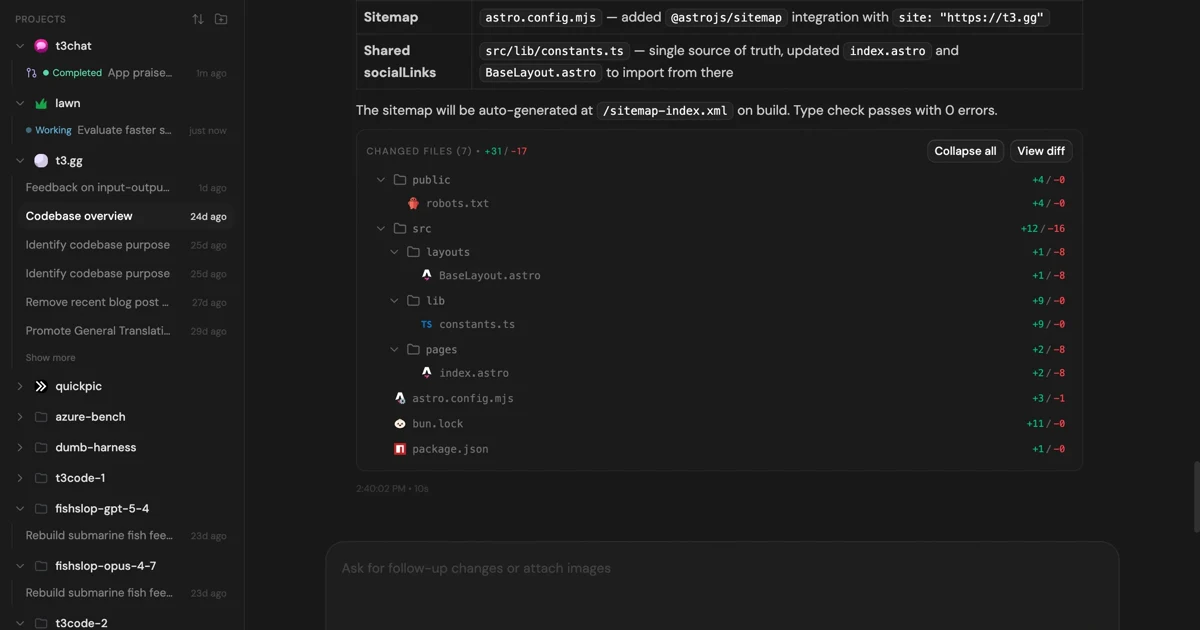
MIT-licensed control plane for running Claude Code, Codex, Cursor, Grok, and OpenCode threads from desktop, web, iOS, and Android clients.
Alternative Tools to Consider
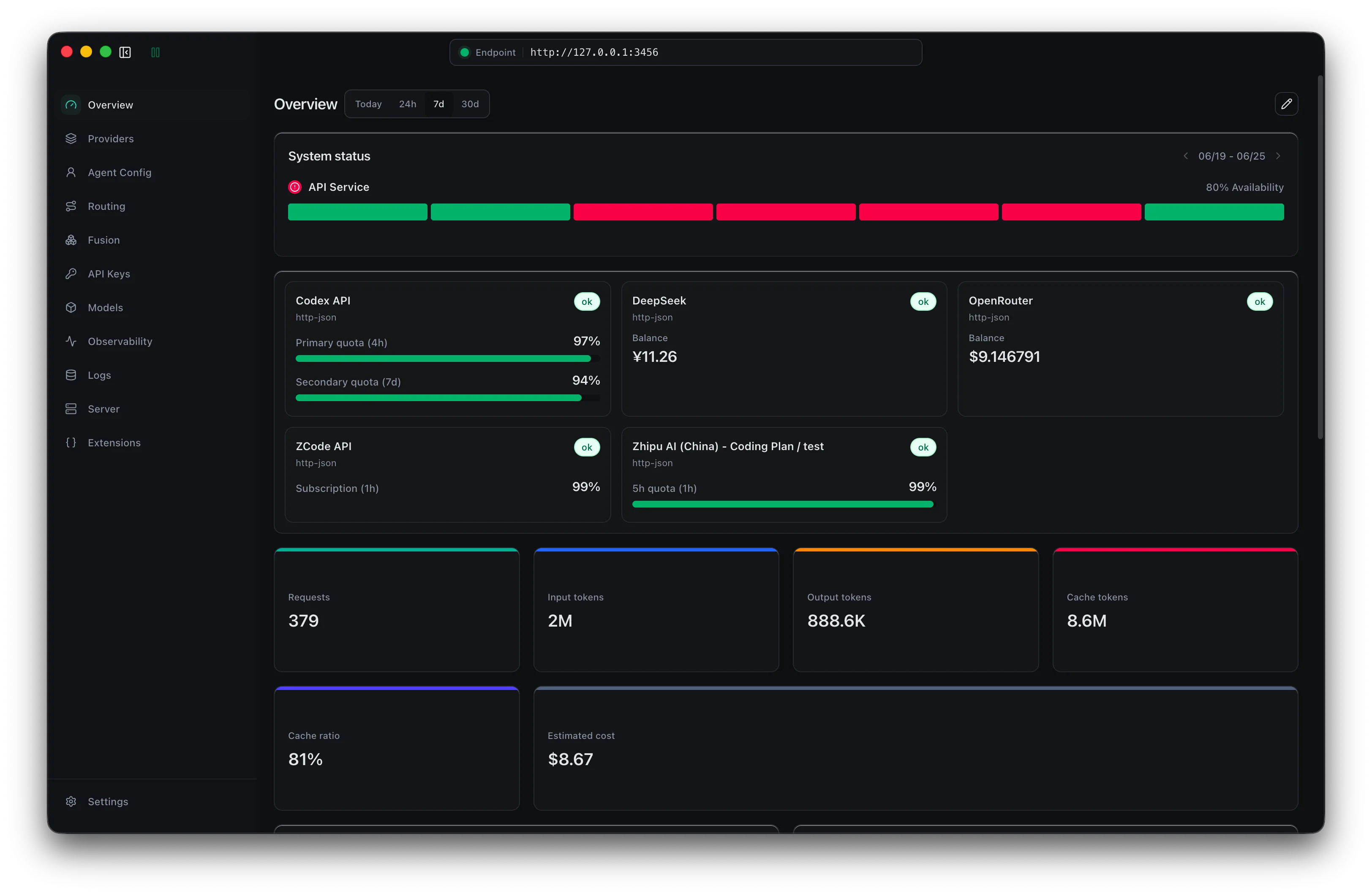
MIT-licensed local gateway and desktop control plane for routing Claude Code, Codex, Grok CLI, and compatible agents across model providers.

Open-source terminal coding agent with git-native edits, repo mapping, and broad model support
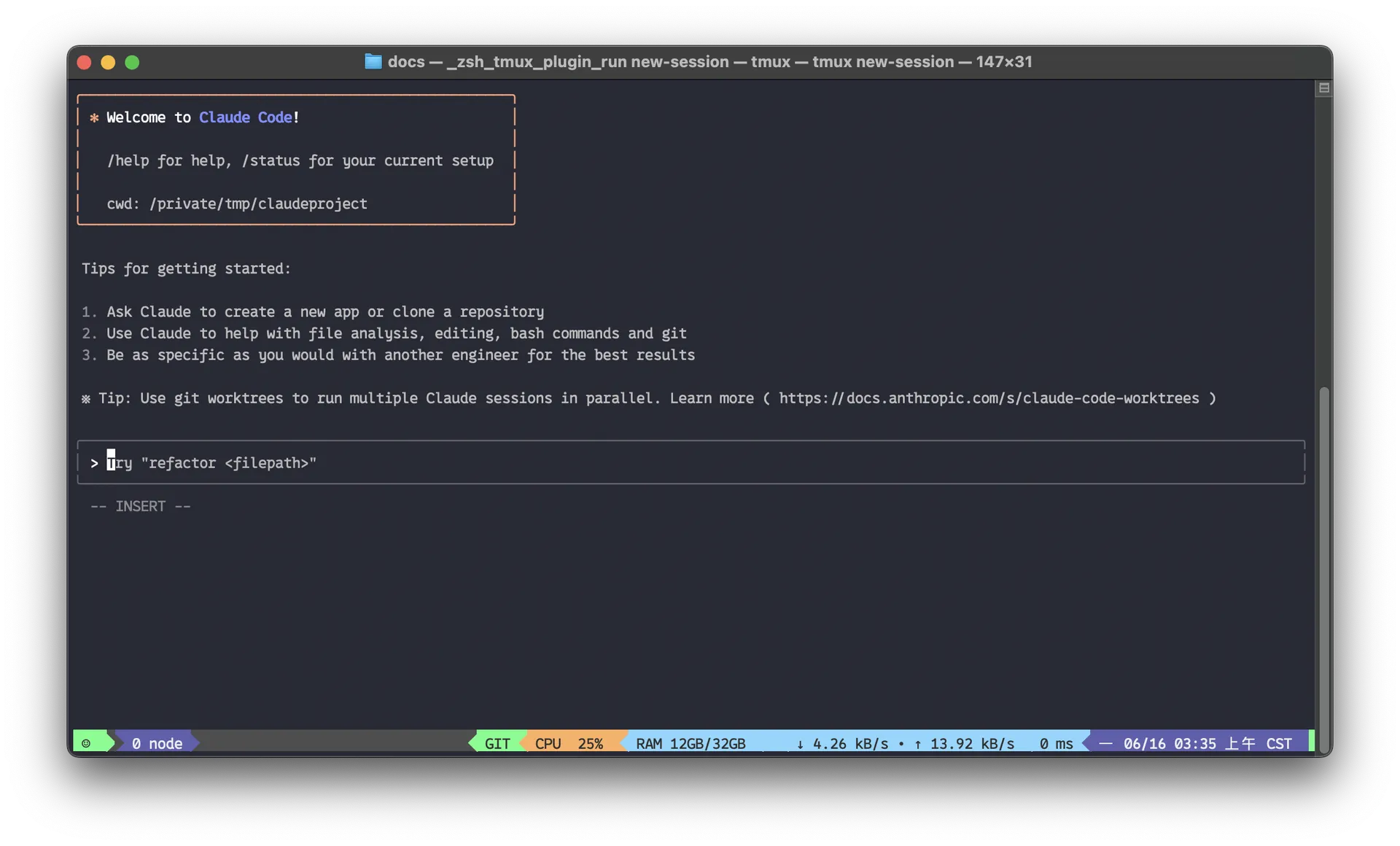
Anthropic’s agentic coding platform for terminal, IDE, desktop, web, CI, and code-review workflows.

Source-available VS Code and Cursor interface for Claude Code with checkpoints, inline diffs, history, permissions, and extension marketplaces.

Open-source terminal dashboard for tracking Claude Code token usage, burn rate, and predicted session cutoffs.

Terminal-native coding agent from Charm with multi-model support, LSP context, MCP and Agent Skills extensibility, and broad cross-platform installs.
Do one more comparison before you commit to Maki
Strong picks usually survive one more internal check. Read deeper, compare a neighbor, then leave for the vendor page if the fit still holds.