
Amp
Multi-model frontier coding agent for the terminal and editors with shareable threads, subagents, and usage-based credit billing.
Do not bounce yet
Read the fit check, compare one alternative, then decide whether the vendor page is still your best next click.
Quick Verdict
Fast fit check before you leave the page
Make the fit call first. Vendor pages are good at selling, but they rarely tell you where the product is a bad match.
- Terminal-heavy developers comparing Amp against Claude Code, OpenAI Codex, and Gemini CLI
- Small teams that want serious agent workflows without forcing everyone onto one custom IDE
- Power users who want multi-model routing, thread handoff, and deeper agent primitives
- Amp is proprietary, so teams are trusting a vendor-controlled control plane, billing layer, and roadmap rather than inspecting an open-source core.
- Windows support is effectively Windows-via-WSL, which is workable but not the same as a polished native Windows experience.
- Public adoption evidence is decent but still less explicit than the cleaner user-count narratives pushed by some larger competitors.
Compare Next
Take one more internal step before the vendor pitch
This is where visitors usually jump out too early. Read one deeper take or open one alternative so the next click is informed instead of impulsive.
Alternative profile
Claude Code Router
MIT-licensed local gateway and desktop control plane for routing Claude Code, Codex, Grok CLI, and compatible agents across model providers.
Alternative profile
Claude Code
Anthropic’s agentic coding platform for terminal, IDE, desktop, web, CI, and code-review workflows.
Alternative profile
Claude Code Chat
Source-available VS Code and Cursor interface for Claude Code with checkpoints, inline diffs, history, permissions, and extension marketplaces.
Amp is a terminal-first coding agent aimed at developers who want frontier-model capability without giving up their existing editor workflow. Instead of pretending to be a toy app builder, it focuses on real repository work: exploring code, editing files, handing off threads, using subagents, and plugging into editors you already use.
Amp is one of the more credible proprietary coding-agent products because it is opinionated about real repo work instead of posing as a prompt toy. It is terminal-first, plugs into editors like VS Code, JetBrains, Zed, and Neovim, and layers in thread sharing, handoffs, MCP, specialized subagents, and code-review flows. That makes it directly relevant for vibe coding teams comparing serious terminal agents such as Claude Code, OpenAI Codex, and Gemini CLI rather than browsing another shallow wrapper with a flashy landing page.
Why Choose Amp?
Amp combines a terminal-native workflow with editor integrations, which is a better fit for experienced developers than browser-only prompt boxes.
Its product surface goes beyond chat by including shareable threads, handoffs, subagents, MCP support, and review tooling.
The multi-model operating model is a real differentiator for teams who care about capability, speed, and reasoning tradeoffs instead of one-model lock-in.
Usage-based credits make it easier to evaluate frontier capability without immediately committing to another fixed monthly seat.
Key Features
Terminal-first coding agent with smart, rush, and deep modes that route work across multiple frontier models.
Editor integrations for VS Code-based editors, JetBrains IDEs, Zed, and Neovim instead of forcing a single bespoke IDE.
Shareable threads, handoffs, toolboxes, MCP support, and specialized subagents like Oracle and Librarian for longer-running workflows.
Built-in code review, permissions, and workspace-level controls that make it feel like a real product rather than a weekend wrapper.
Pay-as-you-go credit model with no subscription commitment and zero markup on provider API pricing for individual and non-enterprise workspaces.
Pros & Cons
- Amp has a sharper product point of view than generic autocomplete tools because it is built around full agent workflows, not just inline suggestions.
- The terminal-plus-editor approach fits experienced developers who do not want to abandon their existing setup for one locked IDE shell.
- Multi-model routing and specialized subagents give it a more serious operating model than many single-model coding agents.
- Usage-based billing is easier to justify for power users who want frontier capability without another mandatory monthly seat just to try it seriously.
- Amp is proprietary, so teams are trusting a vendor-controlled control plane, billing layer, and roadmap rather than inspecting an open-source core.
- Windows support is effectively Windows-via-WSL, which is workable but not the same as a polished native Windows experience.
- Public adoption evidence is decent but still less explicit than the cleaner user-count narratives pushed by some larger competitors.
- Credit-based billing can feel fuzzy if a team does not actively track spend, retries, and heavy-model usage.
Detailed Use Cases for Amp
Use Amp for multi-step repo tasks when you want a coding agent that can reason, edit, and keep context without forcing you into a browser-native builder workflow.
Amp fits teams that work across VS Code-based editors, JetBrains IDEs, Zed, and Neovim while still wanting one agent workflow and shared thread model.
Thread sharing, handoffs, Oracle, and Librarian make Amp more useful for collaborative or longer-horizon work than thin prompt wrappers that reset context every time.
Who Should Use Amp?
Terminal-heavy developers comparing Amp against Claude Code, OpenAI Codex, and Gemini CLI
Small teams that want serious agent workflows without forcing everyone onto one custom IDE
Power users who want multi-model routing, thread handoff, and deeper agent primitives
Engineering teams exploring proprietary coding agents but still demanding product maturity and workflow depth
Perfect For
Terminal-first repo work such as debugging, refactoring, codebase exploration, and multi-step implementation tasks.
Teams comparing serious coding agents like Claude Code, OpenAI Codex, Gemini CLI, and Amp side by side.
Handing off threads or sharing agent context across collaborators without reducing everything to pasted chat logs.
Using specialized subagents and review workflows for deeper planning, retrieval, and code-review loops.
Technical Details
Direct Competitors
Claude Code
OpenAI Codex
Gemini CLI
Cline
Similar Tools You Might Like
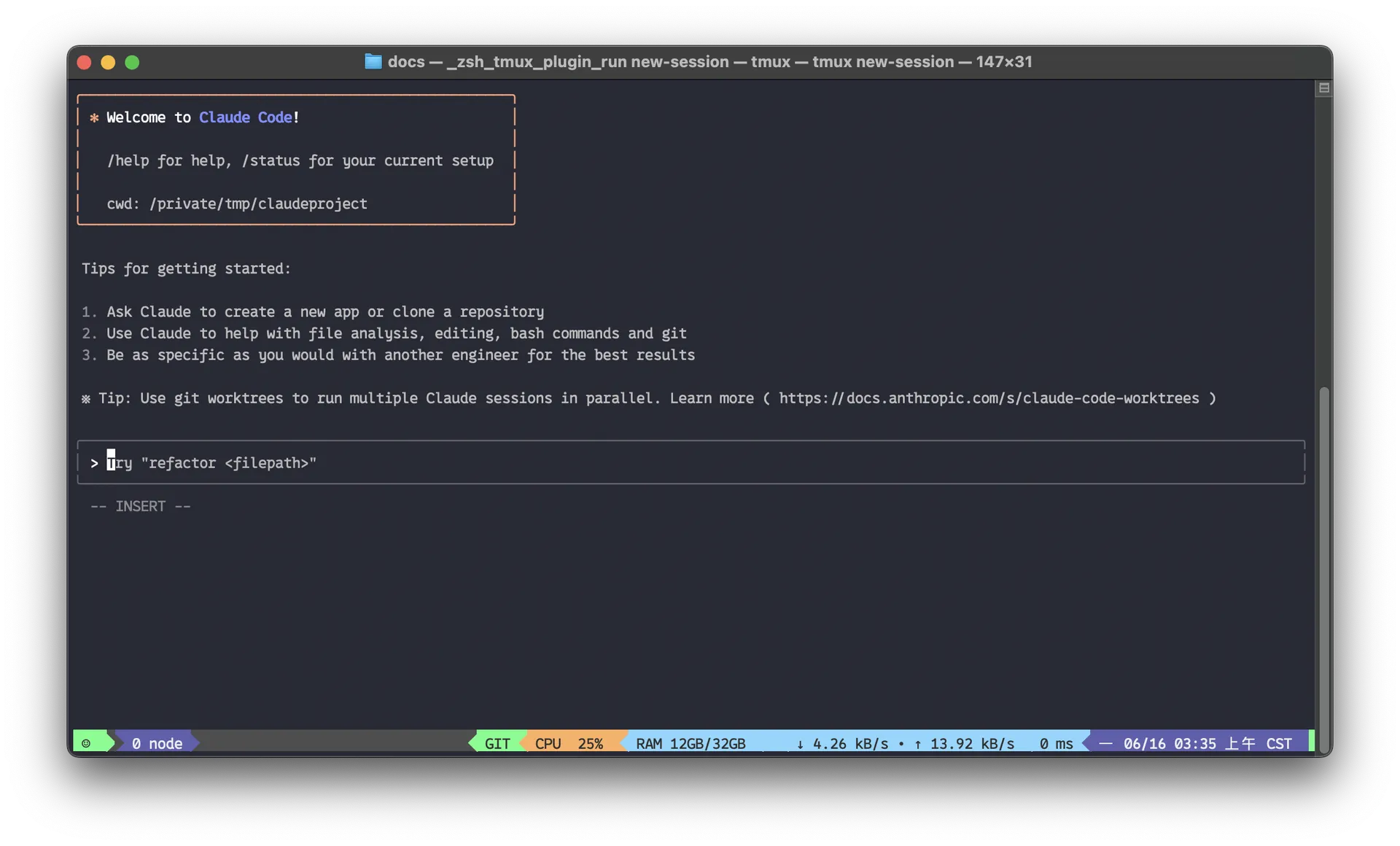
Anthropic’s agentic coding platform for terminal, IDE, desktop, web, CI, and code-review workflows.

Free desktop and terminal coding agent focused on faster repository work through targeted context, parallel tool execution, and automatic model routing.

MIT-licensed local memory server and CLI for carrying coding context, summaries, and handoffs across Claude Code, Codex, Cursor, OpenCode, and other agent clients.
Alternative Tools to Consider
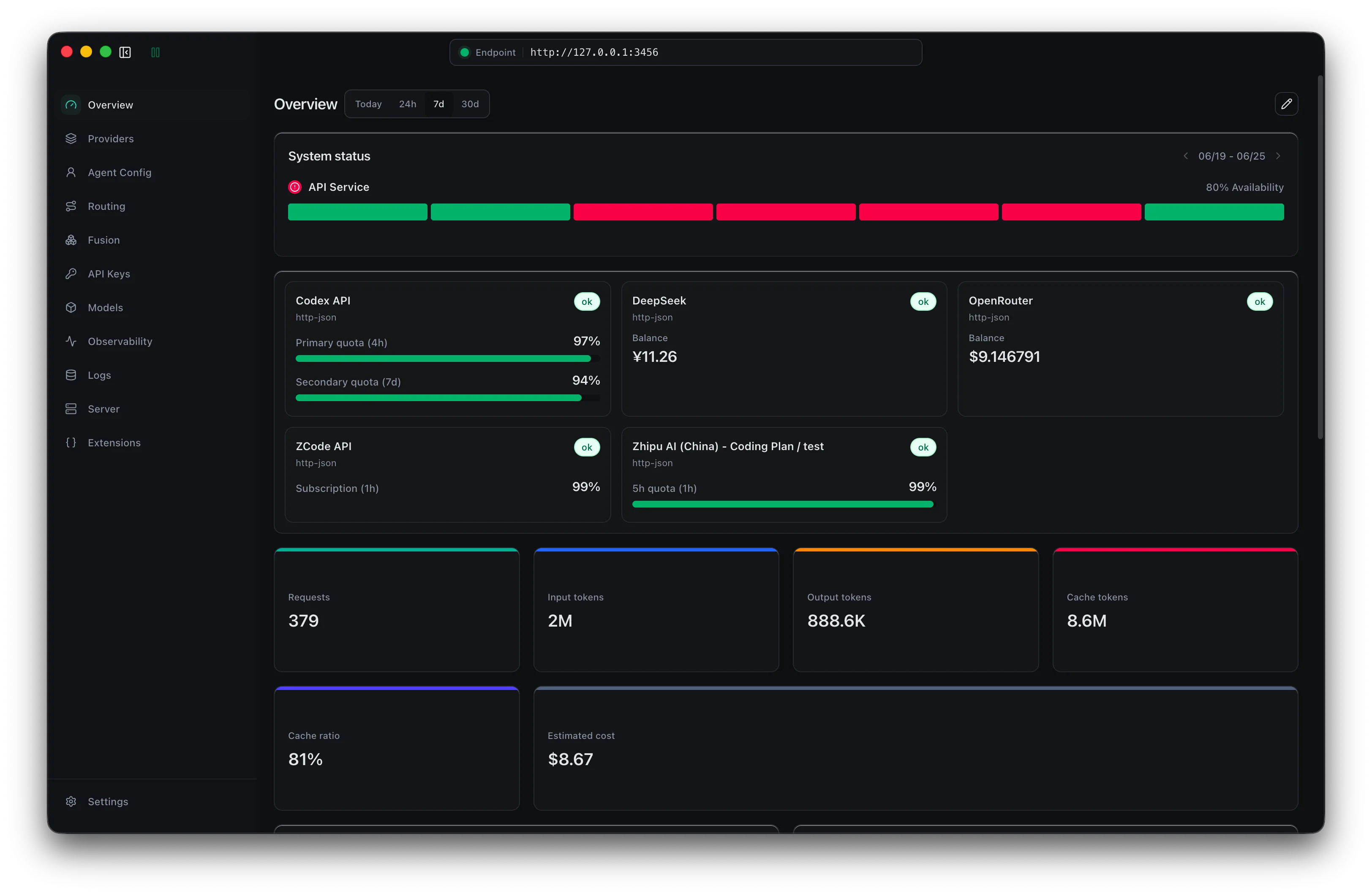
MIT-licensed local gateway and desktop control plane for routing Claude Code, Codex, Grok CLI, and compatible agents across model providers.
Anthropic’s agentic coding platform for terminal, IDE, desktop, web, CI, and code-review workflows.

Source-available VS Code and Cursor interface for Claude Code with checkpoints, inline diffs, history, permissions, and extension marketplaces.

Open-source terminal dashboard for tracking Claude Code token usage, burn rate, and predicted session cutoffs.

Open-source coding agent for VS Code and the terminal with browser automation, MCP extensibility, and human-in-the-loop approvals.

Google's open-source terminal coding agent with Gemini 3 models, MCP extensibility, and strong headless automation workflows.
Do one more comparison before you commit to Amp
Strong picks usually survive one more internal check. Read deeper, compare a neighbor, then leave for the vendor page if the fit still holds.